The Zarafshan–Karakum Silk Roads Corridor (2026): Uzbekistan's Least-Visited UNESCO Sites
· 10 min read · History
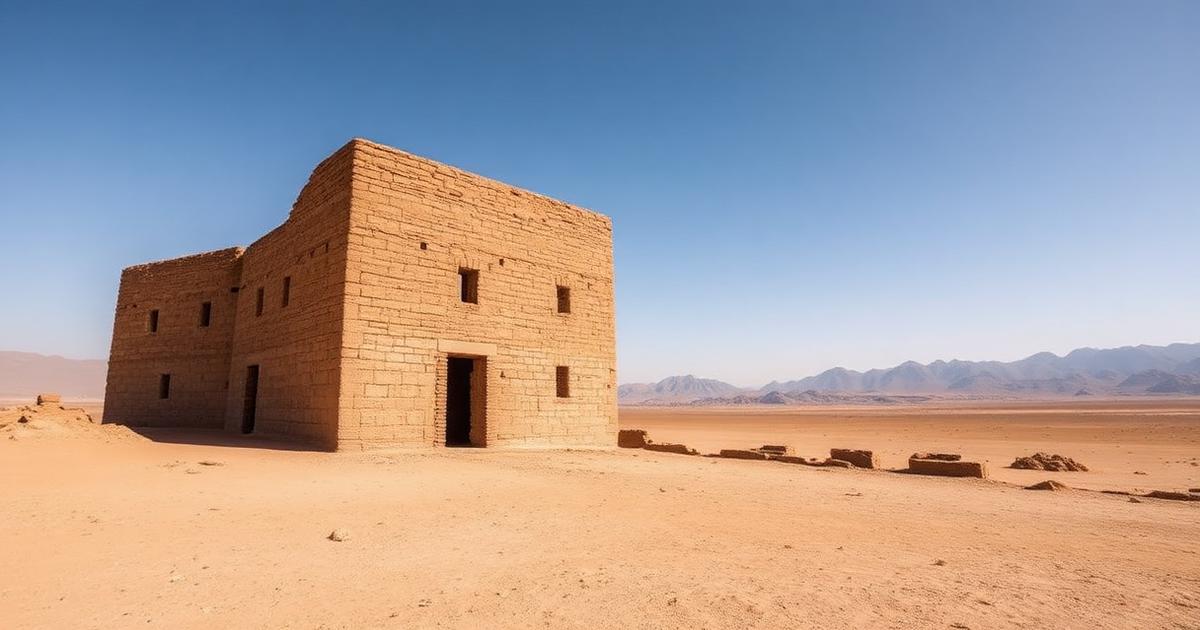
Uzbekistan has a UNESCO World Heritage listing that almost no tourist visits: a chain of desert caravanserais, ruined towns and river crossings between Samarkand and the Karakum. Here is how to actually see it.
Everyone photographs Registan. Almost nobody drives an hour out of Samarkand to stand in the remains of the trading towns and desert waystations that made Registan possible. The Silk Roads: Zarafshan-Karakum Corridor inscription — a transnational listing shared with Tajikistan and Turkmenistan — recognises a route rather than a monument, and in Uzbekistan it covers a scatter of sites along the Zarafshan river and out into the desert. In 2026 it remains the country's most under-visited World Heritage asset, which for the right kind of traveller is the entire attraction.
What the listing actually covers
The corridor follows the Zarafshan valley — the river that fed both Samarkand and Bukhara — and then the desert crossings toward the Karakum. Rather than a single site, it strings together components of different types: ruined urban settlements, fortresses, caravanserais that supported the crossing, and the infrastructure of water and defence that made a commercial route possible in an arid landscape. The logic of the inscription is that the route only makes sense as a system.
The site types you will encounter
- Caravanserais: rectangular mudbrick enclosures with a courtyard, stables and cells — the motorway service stations of the tenth to seventeenth centuries.
- Tepa sites: mounded remains of settlements, often looking like natural hills until you see the pottery fragments on the surface.
- Fortresses and watch posts, positioned at river crossings and narrow points.
- Sardobas: domed underground water cisterns, several of which survive in remarkable condition and are the most photogenic single element of the route.
The realistic itinerary from Samarkand and Bukhara
The corridor is best treated as an add-on to the Samarkand–Bukhara leg rather than a trip in itself. The main road between the two cities runs broadly along the historical route, and several of the most rewarding stops sit within twenty to forty minutes of it. Hiring a car with a driver for the day and travelling between the two cities slowly, rather than taking the train, converts a dead transfer into the most interesting day of a Silk Road itinerary.
Practical shape of the day
- Leave Samarkand early — the light is better and the desert is unbearable by midday from June to September.
- Budget six to nine hours door to door with three or four stops, including a lunch break in a roadside chaikhana.
- Expect a car with a driver to run roughly 600,000–1,200,000 soum for the day depending on vehicle and distance off the main road.
- Some approaches are unpaved. A normal saloon car manages most of them in dry weather; after rain, ask first.
What you will and will not find there
Be clear-eyed. These are not restored monuments with ticket offices, information panels and cafés. Most are unstaffed, unlit and unsigned; a few have a caretaker and a small entry fee collected informally. You will often be the only visitor. The reward is not visual spectacle in the Registan sense but a kind of legibility — standing in a caravanserai courtyard in silence, with the desert on all sides, makes the economics of the Silk Road immediately comprehensible in a way that a tiled madrasa does not.
Rabati Malik and the well-known anchor
The best-known stop on the road, with its surviving portal and the great sardoba across the highway, is the easiest introduction and the one most drivers already know. Use it as the anchor of the day and add the lesser sites around it rather than trying to construct an itinerary from scratch.
Going with a guide versus going alone
A driver alone gets you there. A guide changes whether the day means anything, because almost nothing is interpreted on site and the difference between an eroded mound and a settlement is entirely a matter of being told. Samarkand and Bukhara both have licensed guides who know the corridor; ask specifically for someone with an archaeology or history background rather than a general city guide, and agree the exact list of stops before setting off.
Conservation and how to behave
These are fragile mudbrick structures with minimal protection. Do not climb walls, do not pick up surface pottery — removing archaeological material is both damaging and illegal — and do not drive off-track across tepa mounds. Drone use requires permission in Uzbekistan and heritage sites are particularly sensitive; check the current rules before you fly anything. Take rubbish out with you, since there is no collection.
When to go
April to early June and mid-September to early November. Summer on an unshaded desert plain is genuinely dangerous in the afternoon, and winter turns the unpaved approaches to mud. Spring adds green to what is otherwise a brown landscape and makes the photographs considerably better.
Bottom line
If you have already seen the headline cities, or you are travelling Samarkand to Bukhara anyway, converting that transfer into a corridor day is the single best value addition to a standard Uzbekistan itinerary. Bring water, bring a guide who knows the ground, go early, and accept that the point of the day is emptiness rather than decoration.