Yangiobod Flea Market, Tashkent (2026): Soviet Junk, Real Antiques and How Not to Get Fleeced
· 9 min read · Shopping
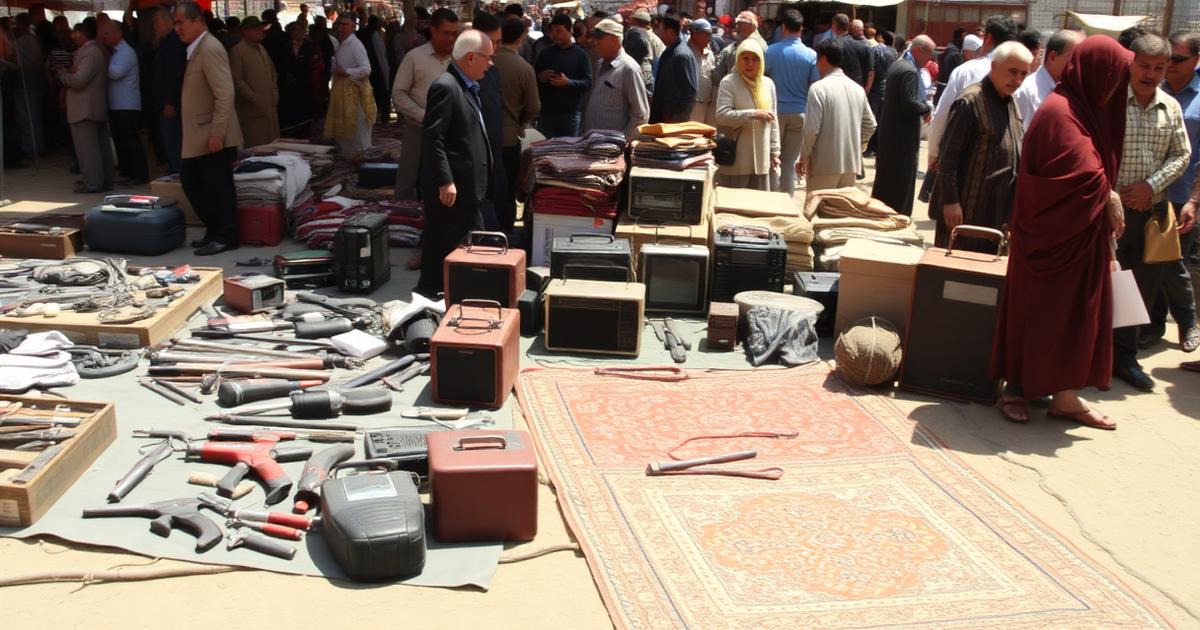
Tashkent's great chaotic flea market is where Soviet cameras, hand-forged knives, medals, carpets and complete nonsense are sold on the same tarpaulin. Here is how to shop it properly.
Every large Uzbek city has a bazaar full of fruit and spices, and those are lovely. Yangiobod is something else: a sprawling second-hand and antiques market on the eastern side of Tashkent where the country's twentieth century is laid out on plastic sheets and sold by the piece. It is dusty, disorganised, occasionally overwhelming and by some distance the most interesting shopping in the capital — provided you know what you are looking at.
What is actually sold there
The market splits informally into zones that shift a little from week to week. Tools and hardware occupy one large area, second-hand clothing and shoes another, and the part visitors care about — old objects, collectables and household relics — sits toward the middle and the far edges.
- Soviet-era cameras, watches, field glasses, medals, badges and enamel pins.
- Brass and copper: teapots, trays, ewers, oil lamps, some genuinely old and much of it recently made to look old.
- Ceramics from Rishtan and Gijduvan, including chipped older pieces that are far more interesting than new tourist ware.
- Carpets and suzani fragments, ranging from machine-made to genuinely antique embroidery.
- Knives, including Chust-style blades, and hand-forged tools.
- Vinyl, books in Uzbek Cyrillic and Russian, propaganda posters and old photographs.
- An enormous quantity of pure junk, which is part of the point.
When to go
Weekends are the market: Saturday and Sunday mornings are when the full spread of sellers turns out. Arrive early — from around seven to ten is when serious buyers and dealers work, and the best pieces are gone by midday. Weekdays are a much reduced version, mostly tools and clothing, and are not worth a special trip. In summer, go at dawn or not at all; the site has almost no shade.
Prices and bargaining
Nothing has a fixed price and the first number quoted to a foreigner will be somewhere between one-and-a-half and four times the local price. This is not personal, and treating it as an insult ruins the interaction. The workable approach is simple: show mild interest rather than delight, ask the price, counter at roughly forty percent of it, and settle somewhere in the middle. Walking away slowly is a legitimate and frequently effective final move.
Rough expectations in 2026
- Soviet pins and badges: a few thousand soum each, cheaper in bulk.
- Working mechanical watches: from around 150,000 soum, far more for sought-after models.
- Old brass teapots: 100,000–400,000 soum depending on age and weight.
- Suzani fragments: from around 200,000 soum; complete antique pieces run into the millions.
- Film cameras: 200,000–800,000 soum, usually untested — assume the shutter is a lottery.
The authenticity question
Assume that most 'antiques' are reproductions and that the reproductions are often good. Aged brass, artificially darkened, is a standard trade. Genuine older pieces exist and knowledgeable buyers do find them here, but nobody should pay antique prices on the basis of a seller's story. Buy the object because you like it at the price you paid, not as an investment. If you want certainty, go to a licensed antiques dealer in the centre and pay a premium for provenance and paperwork.
Export rules you must know
This is the part that catches people at the airport. Uzbekistan restricts the export of items of cultural or historical value, and genuinely old carpets, manuscripts, coins, religious objects and some artworks require an expert assessment and a certificate before they can leave the country. Customs officers do check, and confiscation is a real outcome. If you buy something that could plausibly be over fifty years old and significant, get the certificate — reputable sellers will know the process, and the assessment is done through the authorised cultural heritage body. Modern souvenirs and obvious reproductions are not a problem.
Practical logistics
- Take cash in small notes. Card and QR payment are the exception here, not the rule.
- Wear closed shoes and clothes you do not mind getting dusty.
- Keep valuables secure — it is a crowded market and pickpocketing, while not common, is not unheard of.
- Ask before photographing sellers; many will agree cheerfully, some firmly will not.
- Yandex Go and Bolt reach the market easily; getting a car back at midday is straightforward.
- Bring a bag. Wrapping is a sheet of newspaper if you are lucky.
Is it worth it?
If you like markets as anthropology rather than as retail, it is one of the best two hours in Tashkent. If you want clean, curated, air-conditioned shopping, the craft boutiques near Amir Timur Square will serve you better and you will not enjoy Yangiobod at all. It is a genuinely local place that tolerates visitors rather than courting them, which is exactly why it is interesting.
Bottom line
Go on a Sunday morning, take cash, expect to be quoted tourist prices, bargain without hostility, and do not buy anything genuinely antique without asking about the export certificate first. Do that and you will leave with something with an actual history rather than another fridge magnet.