Uzbek Wine (2026): The Oldest Vineyards in Central Asia, and Where to Actually Taste Them
· 11 min read · Food
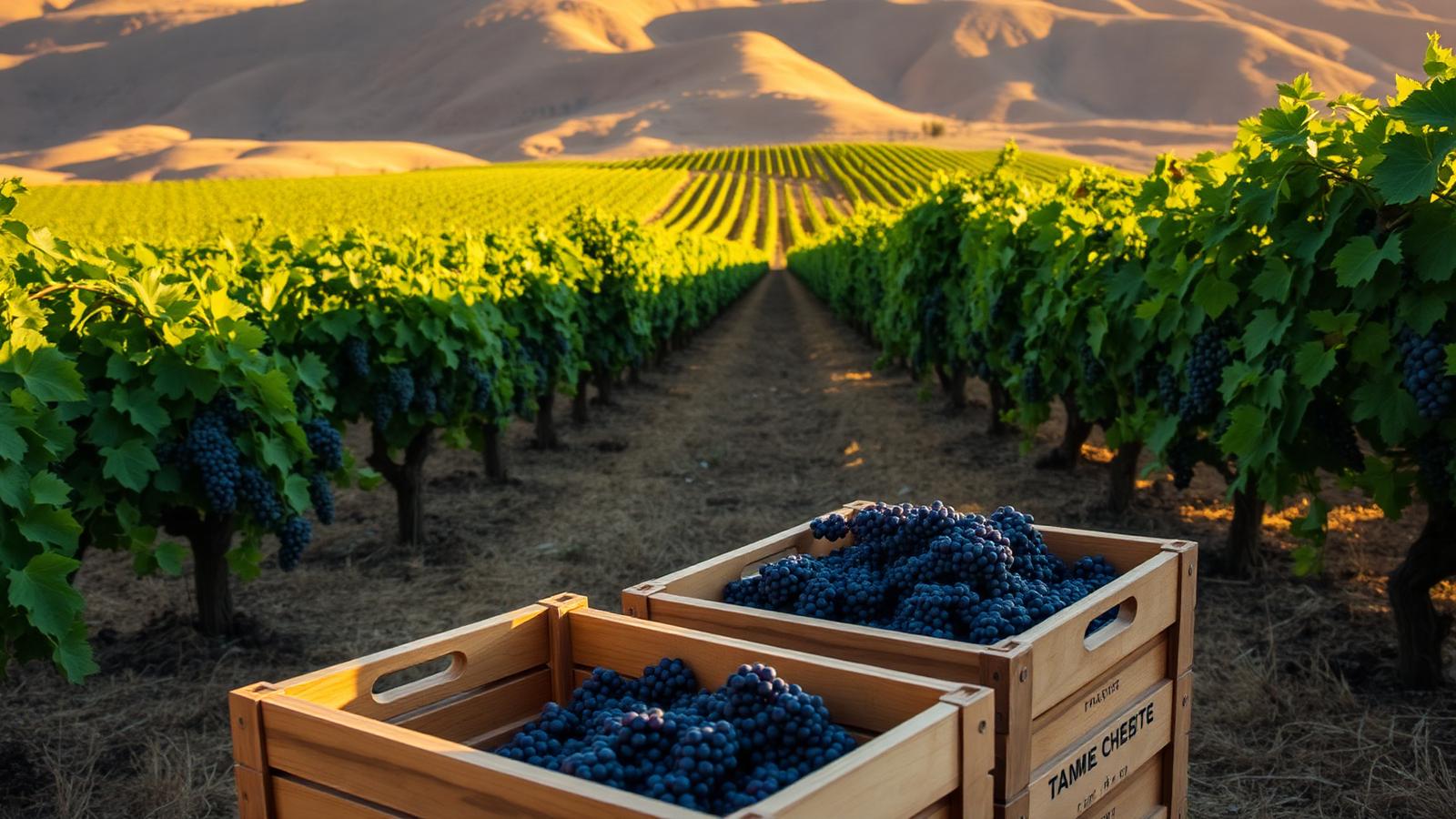
Almost no visitor arrives in Uzbekistan expecting wine, and almost everyone leaves surprised. Here is what the country actually grows, why most of the bottles on shelves are sweet, and where to taste the dry ones.
Uzbekistan is a Muslim-majority country where wine is legal, made domestically, sold in ordinary supermarkets, and older than almost any wine culture in Europe. All of those things are true at once, and the combination confuses visitors more than any other part of the local food scene. This guide explains what is in the bottle, why so much of it is sweet, and how to find the dry wine that locals in the trade actually drink.
Why wine exists here at all
The oases of Central Asia have grown table grapes for thousands of years. The region's dry, sunny, continental climate — hot days, cool nights, low humidity, irrigation from mountain rivers — is close to textbook for grape growing, and vines were a fixture of Samarkand and Ferghana gardens long before the Russian Empire arrived.
Commercial winemaking in the modern sense arrived in the late 19th century. The best-known name is the merchant Ivan Filatov, whose Samarkand operation won medals at European exhibitions around the turn of the century. After 1917 the business was nationalised and became the Soviet winery that still carries the Khovrenko name in Samarkand — for most of the 20th century one of the USSR's flagship producers of dessert wine.
The Soviet sweet-wine problem
Soviet planning wanted volume, alcohol and sugar, not subtlety. Central Asian grapes were prized for ripening to enormous sugar levels, which made them ideal for fortified and dessert styles — the port-like, sherry-like and heavily sweet wines that still dominate the domestic shelf. If you buy a random Uzbek bottle in a supermarket, the odds are high that it is sweet or semi-sweet. That is not a defect; it is the market that was built. But it is not what most Western visitors mean by wine.
What is grown in 2026
- Local and heritage varieties — Bayan Shirey, Rkatsiteli, Saperavi and the Central Asian table grapes (Husayni, Kishmish, Toifi) that also feed the fresh-fruit and raisin trade.
- International varieties — Cabernet Sauvignon, Merlot, Syrah, Chardonnay and Riesling plantings have expanded significantly since the late 2010s as producers chase dry-wine drinkers.
- Regions — the Samarkand area, the Tashkent region foothills, Surkhandarya in the far south, and the Ferghana Valley are the main growing zones.
Grapes are one of Uzbekistan's largest fruit crops overall, but the overwhelming majority go to table grapes and raisins rather than wine. Wine is a small, quality-focused slice of a very large vineyard sector — which is exactly why the good producers are hard to find by accident.
How to buy wine and not end up with syrup
- Read for the word 'dry' (quruq in Uzbek, сухое in Russian) on the label. Semi-sweet is полусладкое; sweet is сладкое. This single word does more work than the grape name.
- Buy in a proper alcohol shop or a large supermarket chain, not a kiosk. Selection and storage are both better.
- Expect roughly 40,000–120,000 UZS for a drinkable domestic dry bottle in 2026, with premium local labels above that and imported European wine typically 150,000 UZS and up because of duties.
- Check the fill level and the cork end of the bottle. Poorly stored stock sitting in sunlight is the single most common reason a decent Uzbek wine tastes cooked.
Where to taste
Samarkand
The Khovrenko winery museum and tasting room is the classic stop, and it is genuinely historic rather than a tourist mock-up: a short guided walk-through followed by a flight of samples, mostly in the sweet and fortified register, with a small dry selection. It takes under an hour and pairs neatly with a Registan morning.
Tashkent
Tashkent is where the modern scene lives. Wine bars in the Yakkasaroy and Mirabad areas pour Uzbek dry wines by the glass alongside Georgian, Armenian and European bottles, and staff in these places will usually let you taste before committing. This is the fastest way to work out which domestic label you actually like.
Cellar-door visits
Several producers in the Tashkent-region foothills and around Samarkand now run appointment-only tastings, sometimes with lunch. They are not walk-in operations: message ahead, ideally a few days out, and expect to arrange your own taxi. A driver for a half-day out of Tashkent runs roughly 300,000–500,000 UZS in 2026 depending on distance and waiting time.
Drinking culture: the part nobody warns you about
Alcohol here is normal but not casual. It is sold in supermarkets and served in most restaurants in cities, but there are rules of the road worth knowing.
- Many family restaurants, national-food canteens and roadside choyxonas serve no alcohol at all. This is not a shortage — it is a choice, and asking repeatedly is rude.
- Sales are restricted near mosques, schools and some public buildings, and hours can be limited late at night.
- The legal drinking age is 20. Drink-driving enforcement is strict and the tolerance is effectively zero — never drive after any amount.
- During Ramadan, drinking visibly in daytime in a conservative neighbourhood is legal but socially tone-deaf. Keep it indoors and in the evening.
- If a host does not drink, do not push, joke about it, or pour for them. A guest insisting is a much bigger breach here than a guest declining.
Is Uzbek wine actually good?
Honest answer: the sweet and fortified wines are competent and sometimes very good at what they are, and they are the country's real tradition. The dry wines are a young project — the best domestic Saperavi and Cabernet blends are pleasant, fruit-forward and worth the money at local prices, while the cheapest end is thin and best avoided. Nobody should fly here for the wine. Everybody who likes wine should spend one evening on it, because you will not find these bottles at home.
Practical notes
- Harvest and the best cellar-door season is roughly late August through October.
- You may take wine out with you, but check your own airline's and destination's limits — most duty-free allowances are one to two litres of wine per adult.
- Wine travels badly in a hot car boot in summer. Buy on your last day, not your first.
- Bring a corkscrew if you are staying in apartments; many guesthouses do not have one.
The most useful sentence you can learn before buying wine in Uzbekistan is 'quruq sharob bormi?' — do you have dry wine?