Uzbekistan's Used Car Market in 2026: Why Cars Cost So Much, What Import Duties Really Are, and How Locals Buy
· 10 min read · Culture
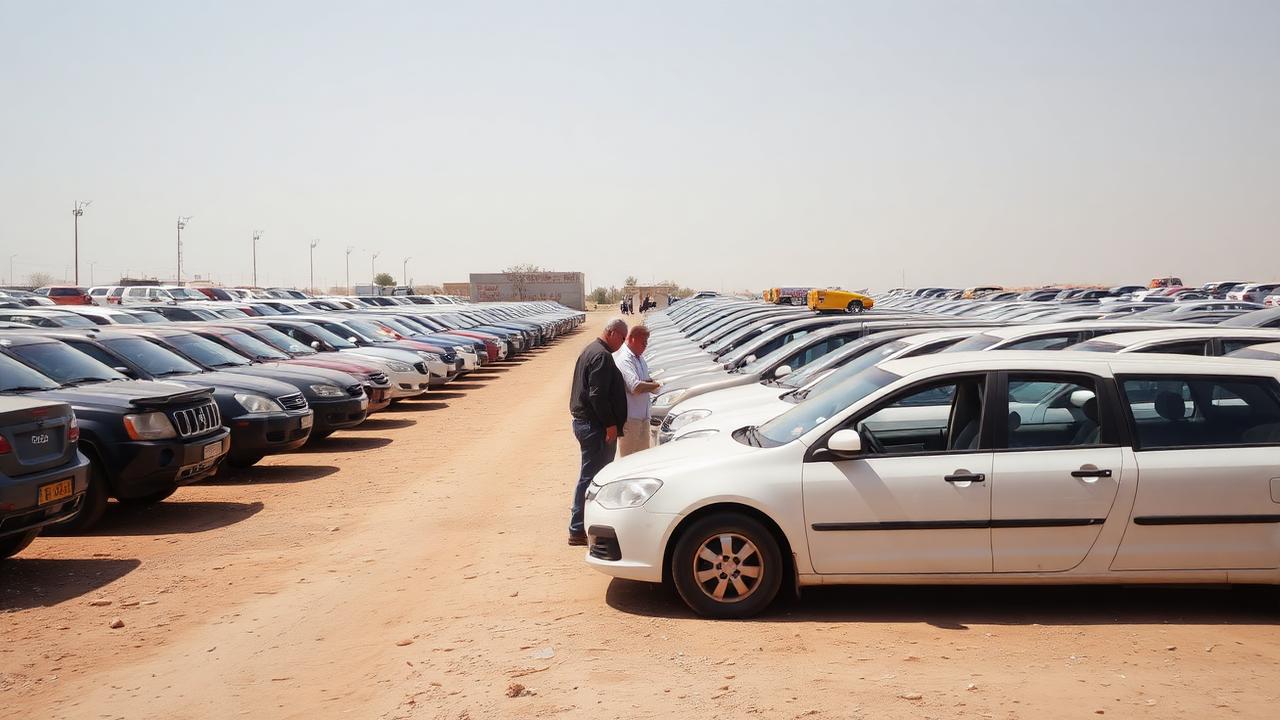
A used Chevrolet in Tashkent can cost more than the same car new in Europe. Understanding why explains a surprising amount about the Uzbek economy — and about how families really spend money.
Ask a visitor what surprised them most about daily economics in Uzbekistan and cars come up constantly. Fuel is cheap, roads are decent, labour is affordable — and yet a fifteen-year-old sedan holds a price that seems to defy physics. The explanation is a mix of protected domestic manufacturing, import taxation and a currency that made cars a savings instrument. In 2026 the picture is shifting quickly, and this is where it stands.
The UzAuto factor
Uzbekistan has built passenger cars domestically since the 1990s, and for most of that time the domestic producer effectively had the market to itself behind high tariff walls. That produced two lasting effects: a national fleet dominated by a handful of white Chevrolet models, and waiting lists that turned a delivered car into an asset you could resell above list price. Locals still refer to models by nicknames rather than trim codes, and everyone knows the resale hierarchy by heart.
Why so many cars are white
Partly heat — white paint genuinely helps in a 45°C summer — and partly supply: white was the default and fastest-delivered colour for years, so it dominates the second-hand pool and now dominates resale expectations too. A non-white car of the same model can sell slower, which reinforces the cycle.
Import duties, excise and the real cost
Importing a car involves customs duty, excise, VAT and a recycling-type fee, with rates that scale by engine size and vehicle age. Older large-engine cars attract the harshest treatment, which is why the imported segment skews towards newer, smaller-engine and increasingly electric vehicles. Electric cars have enjoyed much lighter treatment as part of the state push on EVs, and that single policy has visibly changed the streets of Tashkent since 2023.
- Domestic models: cheapest entry point, easiest servicing, best parts availability in every regional town.
- Imported petrol cars: high landed cost once duty and excise are added; popular in the premium segment only.
- Imported EVs and hybrids: favourable duty treatment, rapidly growing share, but charging outside Tashkent is still thin.
- Chinese brands: the fastest-growing segment in 2026, with local assembly agreements bringing prices down.
Where cars actually change hands
There are formal dealerships, but the real market runs on weekend car bazaars on the edges of cities and on Telegram channels where sellers post photos, mileage and a phone number. Deals are usually cash, sometimes in dollars, and inspection culture is informal: buyers bring a mechanic friend rather than pay for a professional inspection. Odometer tampering exists; service-book documentation is thin.
What to check before buying
Registration documents matching the seller's ID, no outstanding credit against the vehicle, engine number matching papers, and unpaid traffic fines linked to the plate. All of these can be checked digitally through state services now, which is a genuine improvement over the paper era. Never hand over cash before the transfer is registered at a services centre.
Can a foreigner buy a car?
Yes, with a PINFL and registration, and there is a functioning process for foreign owners. In practice, most foreigners staying under a year rent or use taxi apps, because insurance, parking, fines and resale friction add up. Long-term residents do buy, and the resale market is liquid enough that you usually get most of your money back.
Fuel, gas and running costs
A large share of the fleet runs on methane or propane conversions, which is why you see gas cylinders in boots and dedicated filling stations everywhere. Petrol prices are moderate by regional standards but no longer trivially cheap, and periodic gas queues in winter are a genuine annoyance. Servicing is inexpensive and mechanics are everywhere; parts for domestic models cost a fraction of European prices.
Where this is heading
Tariff liberalisation, Chinese assembly plants and the EV push are all pointing the same direction: more choice, gradually lower real prices, and the slow end of the era when a used car was a household savings account. For anyone living here, 2026 is a better year to buy than any year before it — and probably a worse one than 2028.