Bringing a Pet to Uzbekistan (2026): Import Rules, Airlines, Vets and Pet-Friendly Reality
· 9 min read · Practical
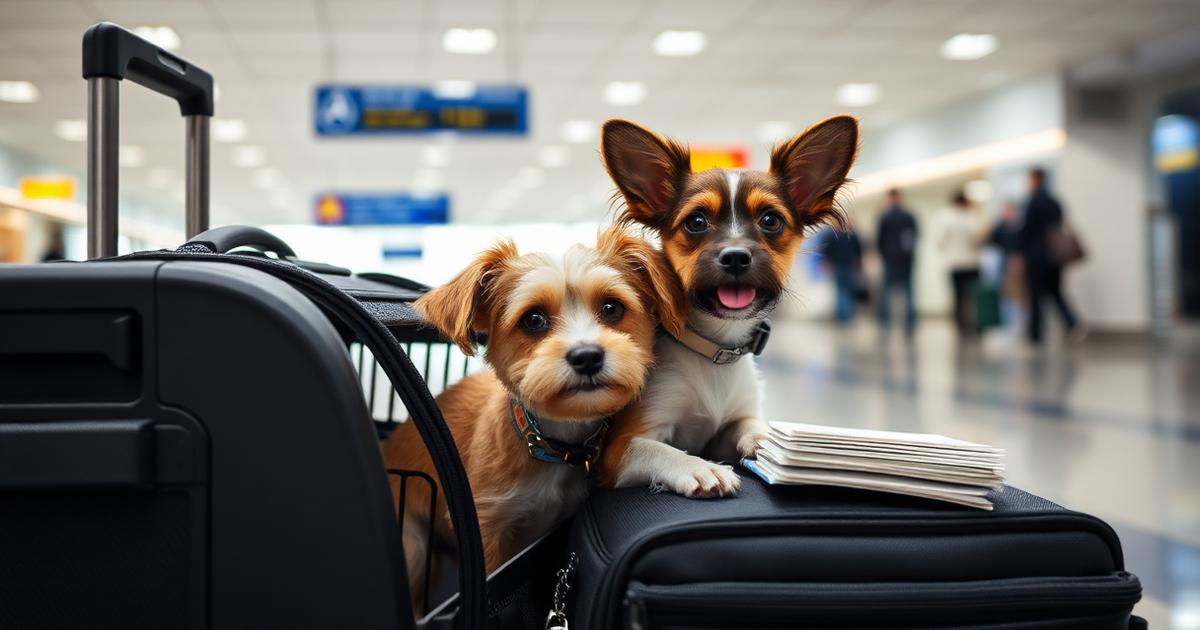
Relocating to Tashkent or travelling with a dog? Uzbekistan is more pet-tolerant than it looks, but the paperwork is unforgiving and the airline is usually the hard part.
The number of foreign residents in Tashkent has grown sharply, and with them a question that no travel guide answers: can you bring the dog? The short answer is yes, for both dogs and cats, provided the documentation is exactly right on the day you fly. The longer answer involves microchips, rabies titres, airline cargo policies and a realistic assessment of what daily life with a pet in an Uzbek city is like.
The paperwork that actually matters
Requirements are set by Uzbekistan's veterinary authority and enforced at the border, with the airline applying its own layer on top. The standard package for a dog or cat looks like this, and every element has a timing rule that is easy to get wrong.
- ISO-standard microchip, implanted before the rabies vaccination — the order matters, and a chip fitted afterwards can invalidate the vaccination record.
- Rabies vaccination, given at least 21–30 days before travel and still valid on the travel date.
- Core vaccinations appropriate to the species (distemper, parvovirus, hepatitis and leptospirosis for dogs; panleukopenia and calicivirus for cats).
- A government-endorsed international veterinary health certificate issued close to departure — commonly within 5 to 10 days, so this is the last thing you organise.
- Parasite treatment recorded by the vet, including tapeworm and external parasites.
- For some origin countries, a rabies antibody titre test from an approved laboratory — check whether yours is on the list, because the titre has its own waiting period and can add months.
Rules change and are country-specific. Confirm the current requirements with the Uzbek veterinary authority or the nearest embassy, and with your airline separately, at least three months before you fly. Nothing in this article replaces that check.
Airlines: the real bottleneck
Getting the documents is routine; getting the animal on a plane is not. Small pets under roughly eight kilograms including the carrier can often fly in the cabin on carriers serving Tashkent, with a booking that must be made by phone or at a ticket office rather than online, and with a strict per-flight limit on the number of animals. Larger dogs travel as checked baggage or manifest cargo, and that is where it gets complicated: summer temperature embargoes, aircraft-type restrictions and connecting-airport rules all bite. Direct flights are worth paying a premium for, because a transit with an animal in cargo multiplies the failure points.
Breed and equipment rules
- Snub-nosed breeds — bulldogs, pugs, Persian cats — are refused in cargo by many carriers on welfare grounds. Check before booking anything.
- The crate must be IATA-compliant: rigid, ventilated on multiple sides, big enough to stand and turn, with metal fastenings rather than plastic clips.
- Label the crate with your contact details and attach a copy of the paperwork in a pouch on the outside.
- Sedation is generally advised against by vets and airlines for animals travelling in the hold.
Arrival at Tashkent
On arrival your documents are checked by the veterinary control point at the airport. With a complete file this is a short process. With a missing endorsement or a mistimed vaccination, outcomes range from a fee and a delay to quarantine at your expense, so the whole strategy is to make the file boring and complete. Bring printed originals plus copies; do not rely on a phone.
Veterinary care in Uzbekistan
Tashkent has a decent and improving range of private veterinary clinics, including several used by the expatriate community, with modern diagnostics and English or Russian-speaking staff in the better ones. Costs are a fraction of Western Europe. Outside the capital, provision thins quickly — Samarkand and Bukhara have clinics, smaller towns often only livestock vets. Specialist care, advanced surgery and some medications may be limited, so bring a supply of any long-term prescription your animal depends on and confirm availability before you rely on local resupply.
Daily life with a pet
Attitudes are mixed and worth understanding rather than judging. Dogs as household companions are increasingly common among younger urban families, but in more traditional settings dogs are working animals kept outdoors, and some people are genuinely uncomfortable around them for religious and cultural reasons. Practical consequences: keep dogs leashed and out of people's personal space, do not bring them into food premises or religious sites, and expect some landlords to refuse pets outright — say so up front when apartment hunting.
- Pet food and supplies are available in Tashkent supermarkets and dedicated pet shops; specialist prescription diets are harder to find.
- Parks vary in their tolerance of dogs; early morning and evening are the practical walking windows in summer heat.
- Summer pavement temperatures are dangerous for paws — walk on grass and before 08:00 or after 20:00 in July and August.
- Street dogs exist in some districts; keep vaccinations current and avoid off-leash encounters.
Leaving again
Exporting the animal requires an Uzbek veterinary export certificate issued shortly before departure, plus whatever your destination country demands — which for the EU and UK is a more demanding regime than the entry rules here. Plan the exit paperwork before you arrive, not after, especially if your onward destination requires a rabies titre drawn a fixed number of months before travel.
Bottom line
Uzbekistan is entirely workable with a pet: the import regime is standard, Tashkent has real veterinary care, and life with a small dog in the capital is straightforward. The two things that derail people are airline cargo restrictions and mistimed vaccinations. Start three months out, book a direct flight, and get every certificate dated in the right order.