Common Tourist Scams in Uzbekistan & How to Avoid Them (2026)
· 11 min read · Safety
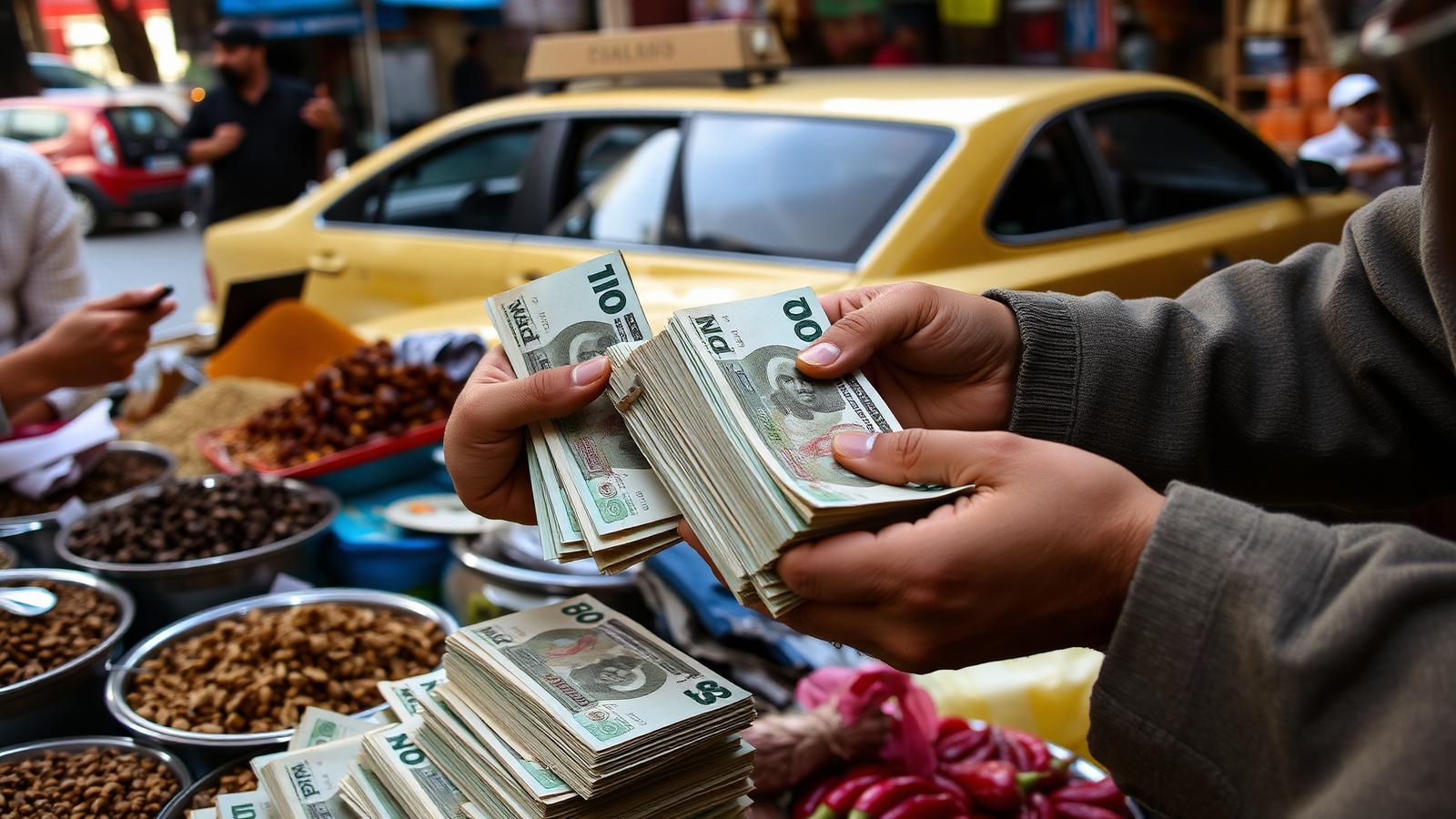
Uzbekistan is one of the safest countries in Central Asia — violent crime against tourists is close to nonexistent. What does exist is money: taxi mark-ups, currency sleight of hand, and 'antique' suzanis made last month. Here is every scam we've documented, and how to shut it down politely.
Let's be clear before the list: Uzbekistan is safe. Solo women travel here comfortably, people return lost wallets, and police are more likely to ask for a selfie than a bribe. But the country moved from a closed economy to a tourism economy very fast, and where tourists arrive with dollars, small hustles follow. Almost every problem you'll meet is financial, not physical, and almost all of it is prevented by knowing the correct price.
1. The airport taxi mark-up
The most common one. Drivers waiting inside Tashkent International arrivals will quote $30–50 to the centre. The real fare is 25,000–40,000 UZS (roughly $2–3.50).
- Book through Yandex Go or Uklon on the airport Wi-Fi before you step outside — the app fixes the price.
- Walk out of the terminal to the public road and hail there; prices halve immediately.
- Never get into a car before the price is agreed out loud, in som, not dollars.
- If the driver claims the meter is broken, get out. There is no meter — the app is the meter.
2. Currency exchange sleight of hand
The Uzbek som is no longer black-market territory — the official rate and street rate are almost identical since liberalisation, which removes the main reason to use unofficial changers. Bazaar money changers still approach tourists offering a 'better rate' and then short-count the bundle, mix in old 1,000-som notes among 100,000s, or use a fast-count technique that skips notes.
- Change money only in banks, licensed exchange booths or hotels. The rate difference is under 1%.
- Know your notes: 100,000, 50,000, 20,000, 10,000, 5,000, 2,000, 1,000 som. Colours matter.
- Count the bundle yourself, slowly, in front of the changer, before handing over your dollars.
- Bring clean, unmarked, post-2013 USD bills — torn or old notes get rejected or discounted.
- ATMs at NBU, Kapitalbank and Ipoteka Bank dispense som reliably and are the safest option.
3. 'Free' guides at Registan and other monuments
A friendly man in a suit attaches himself to you at Registan Square, Poi Kalyan or Ichan Kala, walks you around for twenty minutes 'as a friend', then asks for $30–50. Genuine licensed guides carry a national tourism licence card and quote a price up front — normally 200,000–400,000 UZS for two hours.
- Agree a price and a duration before the tour starts, or decline clearly: 'Rahmat, kerak emas' (thank you, not needed).
- Book guides through your hotel or a registered agency instead.
- Anyone offering to 'unlock' a closed minaret or terrace for a private fee is selling you a bribe, not a ticket. Some of these are legitimate caretaker tips, most are not — 20,000–30,000 UZS is the local going rate if you choose to.
4. Bazaar and souvenir pricing
At Chorsu, Siyob and Lyabi-Hauz the first price for a foreigner is typically two to four times the local price. This is not a scam so much as an expectation of bargaining, but the gap is bigger for tourists than for locals.
- Counter-offer at 40–50% and settle near 60–70% of the opening price.
- Walk away once. The real price usually follows you.
- Fruit and food stalls: ask for the price per kilo before they start bagging.
- Learn the numbers in Uzbek or Russian — using them cuts the tourist price instantly.
- Fixed-price craft centres (Bukhara silk carpet workshop, Rishtan ceramics studios) are often cheaper than a haggled bazaar price and the quality is verifiable.
5. Fake antiques and 'Soviet' finds
Suzani embroideries 'from my grandmother', Soviet medals, silver jewellery and old coins are made or aged for the tourist market. That's fine if the price is craft-priced. The real problem is legal: genuine antiques over 50 years old cannot legally leave Uzbekistan without a certificate from the Ministry of Culture, and customs at Tashkent airport do check carpets and paintings.
- Ask for a receipt and a certificate for any carpet, painting or item claimed to be old.
- Assume 'antique' means 'aged this year' unless proven otherwise — and pay accordingly.
- Buy new, well-made craft instead: it's legal to export, cheaper, and often better made.
6. Restaurant bill inflation
Rare, but it happens in tourist-facing restaurants around Registan and Lyabi-Hauz: dishes you didn't order, a 'service charge' of 10–15% added without notice, or bread and salads brought unasked and billed. Bread on the table is normally charged — that's standard, not a scam.
- Check the menu for a service charge line before ordering.
- Ask for the itemised bill (hisob) and read it.
- Refuse extras politely when they arrive if you didn't order them.
7. Phone, card and payment tricks
Card skimming is rare but standalone ATMs in bazaars are riskier than bank-lobby machines. A newer one: a vendor asks you to transfer money by Humo or Uzcard app to a 'personal' number instead of paying the shop, then denies receiving it.
- Use ATMs inside bank branches during opening hours.
- Pay cash in bazaars; pay by card in hotels and mid-range restaurants.
- Never hand your unlocked phone to someone offering to 'help you order the taxi'.
- Tell your bank you're travelling — Uzbek transactions trigger fraud blocks often.
8. Train and ticket resellers
Afrosiyob tickets sell out days ahead in high season, and men outside Tashkent station offer 'last tickets' at triple price or sell tickets in someone else's name — which will be refused at boarding, since the name on the ticket must match your passport.
- Buy from the official railway site or app, or at the station counter with your passport.
- Your name must be printed on the ticket. No name match, no train.
- If sold out, take the slower Sharq train or a shared taxi rather than a reseller.
Phrases that end a hustle politely
- 'Kerak emas, rahmat' — not needed, thank you (Uzbek).
- 'Ne nada, spasibo' — don't need it, thanks (Russian).
- 'Qancha?' / 'Skolko?' — how much? Ask before anything happens.
- 'Juda qimmat' / 'Ochen dorogo' — very expensive. Say it with a smile.
- 'Men Yandex chaqirdim' — I've called a Yandex.
If something goes wrong
- Tourist Police (English and Russian spoken): +998 71 233 09 15.
- Police 102, ambulance 103, fire 101, universal 112 — 112 works without a SIM card.
- Keep a photo of your passport and entry stamp on your phone and in your email.
- Hotels are your best local advocate — the front desk will call and argue on your behalf.
Honest verdict
Nothing on this list is dangerous — it's all money, and all of it is avoidable with a taxi app, a bank exchange and a known price. Uzbeks are famously hospitable, and the overwhelming majority of interactions you'll have will involve someone insisting you take tea, fruit or a lift for free. Stay relaxed, keep the small numbers in your head, and you'll spend the whole trip pleasantly surprised instead of mildly ripped off.