Tax Free in Uzbekistan (2026): How Tourists Now Get Their VAT Back — Including Cash at the Airport
· 10 min read · Practical
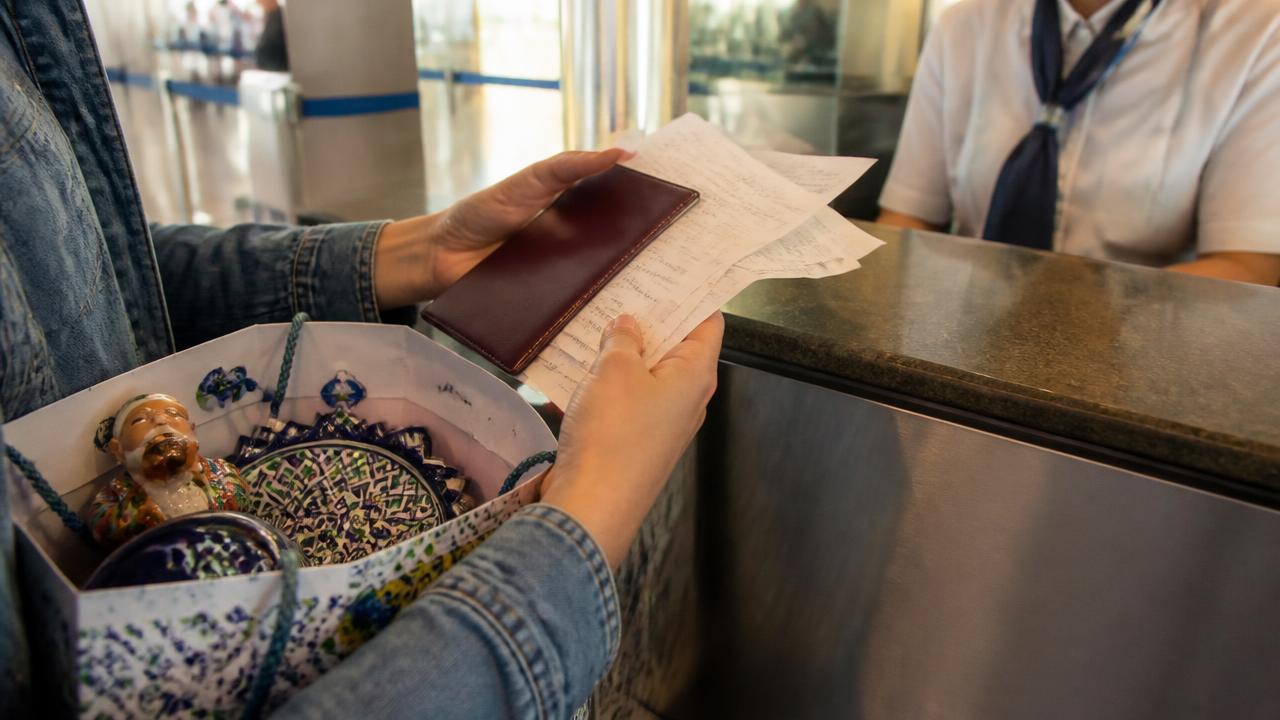
Almost nobody who shopped in Uzbekistan before 2026 knew they were paying 12% VAT on every suzani, ceramic bowl and silk scarf — with no way to claim it back. That changed this year, and in July the rules got far friendlier.
If you buy souvenirs in Uzbekistan, part of what you pay is value-added tax. Until this year foreign visitors had no realistic way to recover it. In 2026 that changed twice: a Tax Free refund system for foreign citizens launched at the country's international airports on 1 April 2026, and on 16 July 2026 the Cabinet of Ministers approved amendments that lowered the threshold, widened the eligible goods and added cash payouts. This guide explains exactly how it now works, what qualifies, and where travellers lose money by getting the paperwork wrong.
What the system actually is
Uzbekistan's standard VAT rate is 12%, and it is already baked into the shelf price — you will rarely see it broken out. The Tax Free scheme lets a foreign citizen reclaim part of that tax on goods bought inside the country and taken out with them. It is operated through the state tax service's operator, Soliq Servis, and the refund is issued at departure or shortly afterwards. It is not a discount at the till: you pay the full price in the shop and claim afterwards.
Two dates worth knowing
- 1 April 2026 — the VAT refund system for foreign citizens came into effect at all international airports in Uzbekistan, with refunds payable in cash or to a card.
- 16 July 2026 — a government resolution simplified the rules: a much lower minimum purchase, a far broader list of eligible goods, faster card refunds and a formal cash-in-dollars option on departure.
The 2026 rules in plain numbers
- Minimum purchase: 300,000 som, cut from the original 1,000,000 som. At roughly 11,700–12,100 som to the dollar in August 2026 that is somewhere around 25 US dollars — a realistic single ceramics or textile purchase rather than a shopping spree.
- Refund by card: credited to the foreign citizen's bank card or account within three working days. Under the old mechanism you waited until after the 25th of the following month.
- Refund in cash: you can now take it in US dollars on the day of your confirmed departure — but you receive 85% of the tax amount, with 15% kept as the operator's commission.
- Who qualifies: foreign citizens. Residents and citizens of Uzbekistan are outside the scheme.
In short: card refunds pay more, cash pays faster. If your claim is small, the 15% commission on a 12% tax is a few dollars, and most people take the cash. On a large carpet or jewellery purchase, the card route is clearly worth the wait.
What you can and cannot claim on
After July 2026 the eligible list covers virtually all categories of goods, with food and agricultural products carved out. The excluded categories include meat and edible offal, fish and seafood, other products of animal origin, vegetables, fruit and nuts, coffee, tea and spices, cereals, flour and flour products, animal and vegetable fats, sugar and confectionery, cocoa, processed fruit and vegetable products, and other foodstuffs.
The practical translation for travellers: the classic Uzbek souvenirs are in. Suzani embroidery, silk and ikat, carpets and rugs, Rishtan ceramics, Chust knives, hand-forged metalwork, doppi caps, jewellery, handmade paper and clothing are all goods, not foodstuffs. The things people most love carrying home from the bazaar — dried apricots, walnuts, halva, black cumin, spice mixes and tea — are exactly the categories excluded. Do not build a refund plan around a kilo of dried fruit.
Souvenirs have a second rulebook
A VAT refund is not an export permit. Antiques, older carpets, manuscripts and anything with cultural-heritage value need separate clearance from the culture ministry's expert commission, and the customs officer at the airport cares far more about that than about your refund slip. Read the export rules before you buy anything old: /blog/uzbekistan-customs-export-rules-souvenirs-guide-2026
How to do it, step by step
- Buy from a shop registered in the Tax Free system. Not every bazaar stall is — ask before you pay, because a handwritten receipt from an unregistered trader cannot be processed later.
- Ask for the Tax Free document at the moment of purchase and show your passport. The claim is tied to your passport number, so the passport you shop on must be the one you fly out on.
- Keep the goods, the receipts and the paperwork together, and keep them accessible rather than buried in checked luggage.
- At the airport, allow extra time. Present the documents and, if asked, the goods before you check in — once a suitcase is on the belt you cannot show what is inside it.
- Choose your payout: card transfer within three working days, or cash US dollars at 85% on the day you leave.
Mistakes that cost people the refund
- Shopping without asking whether the seller is in the system, then discovering at the airport that the receipt is worthless.
- Splitting one purchase across several small receipts and landing under the 300,000 som minimum on each.
- Buying food and expecting a refund — the excluded list is long and heavily food-weighted.
- Packing everything into hold luggage before the paperwork is stamped.
- Cutting it fine on time. Tashkent's international terminal is far better than it used to be, but a refund desk is one more queue on top of check-in and security.
Is it worth the effort?
For a traveller spending 200 dollars on textiles and ceramics, 12% VAT is roughly 24 dollars, or about 20 back in cash after commission — a decent dinner for two in Tashkent. For anyone buying a serious carpet, it is meaningful money. For someone leaving with a bag of apricots and a doppi cap, it is not worth the queue. Decide before you get to the airport, not in the departures hall.
Thresholds, commissions and the eligible list are set by government resolution and can change again; confirm current terms with the seller or the tax service before you rely on a specific number. For paying inside the country in the first place, see our cashless guide: /blog/uzbekistan-cashless-payme-click-uzum-qr-guide-2026