Can You Drink the Tap Water in Uzbekistan? Food and Stomach Safety (2026)
· 7 min read · Practical
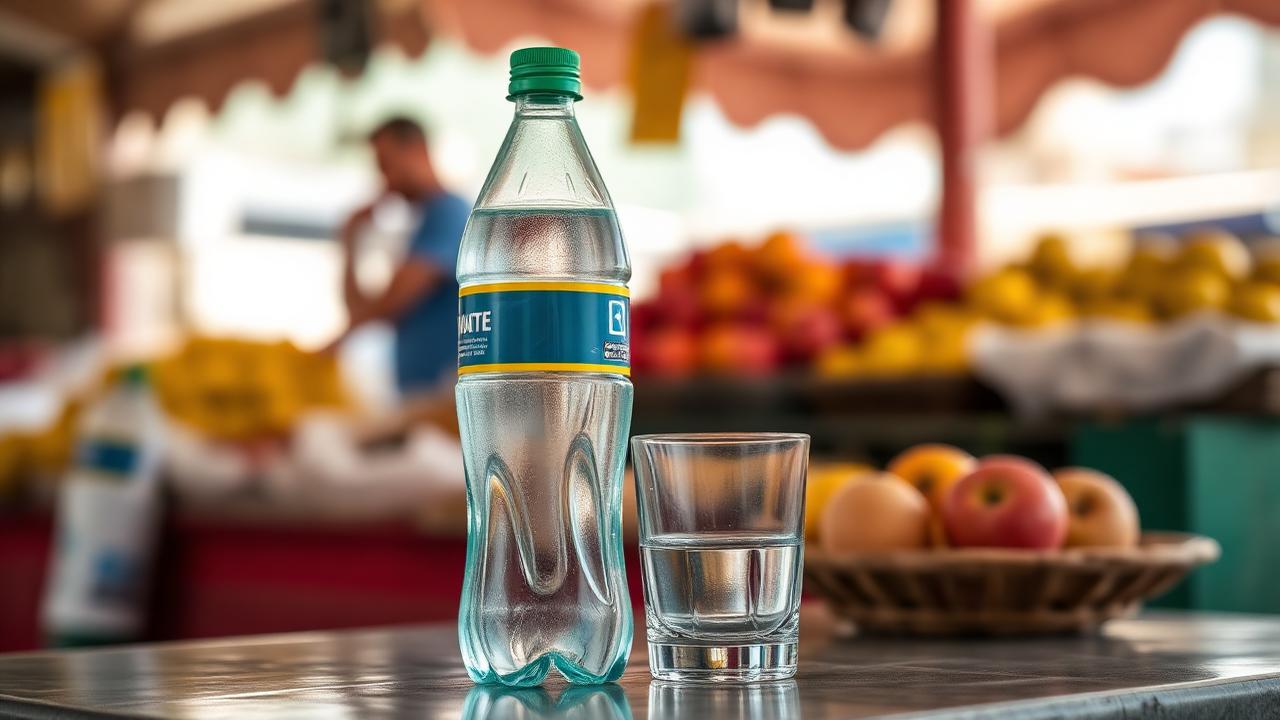
Tap water in Uzbek cities is treated, but travellers still drink bottled — and most stomach trouble here has nothing to do with water at all. Here's what actually causes it.
Nobody wants to lose two days of a ten-day trip to a stomach. The good news is that Uzbekistan is not a high-risk destination, and the handful of things that do catch travellers out are easy to avoid once you know them.
Tap water: the straight answer
City tap water in Tashkent, Samarkand and Bukhara is treated and chlorinated, and locals use it for cooking, tea and brushing teeth. Almost no visitor drinks it straight, and neither should you — not because of the treatment plant, but because of old pipework in historic buildings and the simple fact that your gut is not adapted to the local mineral profile. Bottled water costs pennies. Buy it.
- Brushing teeth with tap water: fine in cities.
- Drinking tap water: use bottled or filtered instead.
- Rural areas and Karakalpakstan: bottled only, including for teeth.
- Check the bottle seal is intact before you pay.
Ice, tea and juice
Ice in established restaurants and hotels is made from filtered water and is not a problem. Tea is boiled, which makes it the safest drink in the country and conveniently the national one. Freshly squeezed juice at a busy bazaar stall is generally fine; a jug of pre-mixed diluted juice sitting in the sun is not.
What actually upsets travellers' stomachs here
In our experience it is rarely water. It is these four things, in order.
1. Volume and fat
Plov is cooked in cottonseed or sunflower oil and eaten in serious quantities, and Uzbek hospitality means refusing a second plate is hard. Several days of rich meat and oil in a row will unsettle almost anyone. Alternate a heavy plov lunch with a light dinner of soup, salad and bread.
2. Dairy you're not used to
Qatiq, suzma and especially kurt (hard salted dried yoghurt balls) are unfamiliar fermented dairy. Try them — they're part of the culture, covered in our dairy guide (/blog/uzbek-dairy-fermented-products-suzma-qatiq-kurt-guide-2026) — but try a small amount first rather than a bagful on a bus.
3. Unwashed bazaar fruit
Uzbek melons, apricots and grapes are the best you'll ever eat, and they are handled by many hands before yours. Rinse with bottled water or peel. This is the single most common avoidable mistake.
4. Heat and dehydration
In July and August, symptoms travellers blame on food are often plain dehydration and heat exhaustion after four hours in 40°C at the Registan. Drink far more water than feels necessary and take a midday break.
Street food: safe, with rules
Uzbek street food is generally very safe because most of it comes straight out of a tandoor or off a live grill at high heat. Samsa, shashlik, non bread and freshly fried snacks are cooked to order in front of you. What to avoid is anything lukewarm and pre-cooked sitting in a tray, cold mayonnaise-based salads at an unrefrigerated stall, and meat at a stall with no queue. A crowd is the best hygiene indicator there is — see our street food guide (/blog/uzbek-street-food-guide-chebureki-shaurma-night-market-2026).
What to pack
- Oral rehydration salts — the one item that genuinely shortens a bad day.
- Loperamide for travel days only, not for the first hours of illness.
- Hand sanitiser, since bazaar washbasins are inconsistent.
- Any prescription medication in original packaging with a copy of the prescription.
- A reusable bottle with a built-in filter if you'd rather not buy plastic daily.
If you do get ill
Pharmacies (dorixona) are everywhere, open late, cheap, and staff are used to travellers. Most cases resolve in 24–48 hours with rehydration and plain food — bread, rice, tea. See a doctor if there's fever, blood, or symptoms lasting beyond two days; private clinics in Tashkent are good and inexpensive, and emergency numbers are listed on our emergency page (/emergency).
None of this should make you cautious about eating here. Uzbek food is one of the best reasons to come. Rinse the fruit, drink bottled water, pace the plov, and you will be fine.