Solar Panels and Power Cuts: Uzbekistan's Strange 2026 Energy Year Explained
· 9 min read · Practical
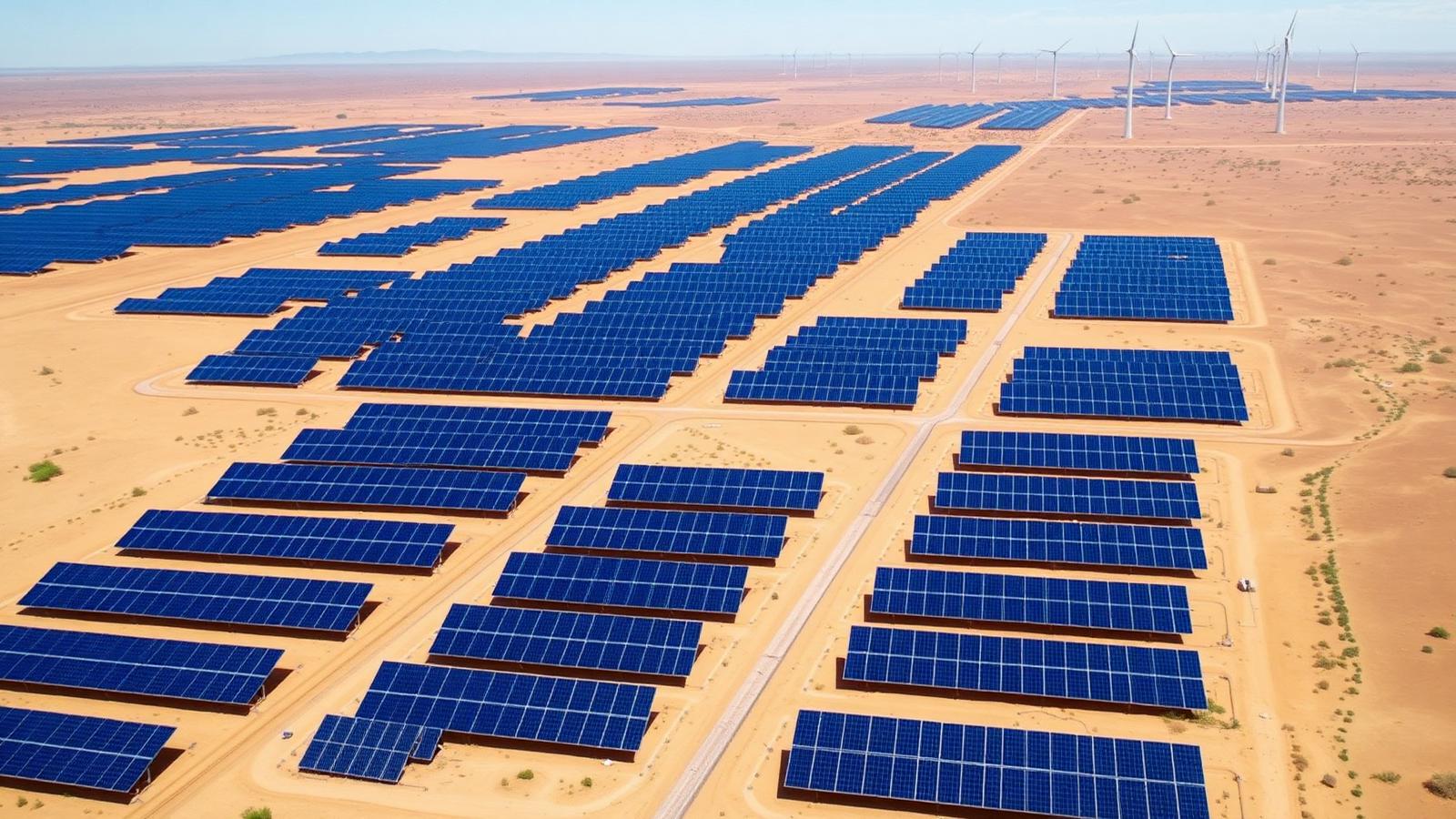
One of the fastest solar build-outs in Asia is happening in the Uzbek desert. Meanwhile people in the Fergana Valley queue for gas canisters in January. Both things are true, and understanding why explains a lot about the country.
Drive between Samarkand and Navoi and you now pass fields of photovoltaic panels that did not exist a few years ago. Yet every winter, Uzbek social media fills with videos of cold apartments and gas queues. For a traveller this is not an abstract policy debate — it determines whether your guesthouse in Bukhara has heating in January. Here is the plain explanation.
Why a gas-rich country runs short of gas
Uzbekistan is a significant natural gas producer, but three things collide. Domestic fields are mature and output has been declining for years. Domestic demand has grown fast with population, industry and vehicle conversions to methane. And long-term export commitments plus heavily subsidised domestic prices distorted consumption for decades. The result is a system with almost no spare capacity, which copes fine until the first serious cold snap and then does not.
The solar and wind build-out is real
Since around 2019 Uzbekistan has run competitive auctions that attracted large international developers from the Gulf, China and Europe, and has been commissioning utility-scale solar and wind plants at a pace unusual for the region. Projects around Navoi, Samarkand, Jizzakh, Bukhara, Surkhandarya and Karakalpakstan have added gigawatts, with battery storage now being tendered alongside them. The stated aim is for renewables to supply a very large share of generation by 2030.
Why that does not stop winter cuts
- Solar output is lowest exactly when demand peaks: short, cold, often overcast December days.
- Peak household demand is in the evening, after sunset, when solar produces nothing and storage is still limited.
- The bottleneck is often heat, not electricity — homes are heated by gas, and no amount of daytime solar substitutes for that.
- Transmission and distribution networks are old, and losses and local faults cause outages independently of generation.
Uzbekistan is not short of energy in the abstract. It is short of energy at six in the evening on the fourteenth of January.
Who is affected and when
Cuts are strongly seasonal, running roughly from December to February, and strongly rural. Tashkent's centre, major hotels and the tourist cores of Samarkand, Bukhara and Khiva are prioritised and rarely go dark for long. Villages, the Fergana Valley and outer districts of provincial cities take the brunt, sometimes with scheduled rotating outages. Summer brings a second, milder pattern of cuts driven by air-conditioning peaks.
What this means for your trip
- Travelling April to October: essentially no impact beyond the occasional brief outage.
- Travelling December to February: choose accommodation that states it has a generator or central heating, and ask directly rather than assuming.
- Traditional courtyard guesthouses in Khiva and Bukhara are beautiful and often genuinely cold in winter — ask about heating in the specific room.
- Carry a power bank and a head torch; brief evening outages happen and lifts and Wi-Fi go with them.
- Trains, including the Afrosiyob, are reliable in winter; they are not the thing that fails.
- Homestays in the Nuratau mountains and desert yurt camps run on limited solar and generators year-round — charge everything before you arrive.
The reform behind the headlines
The politically hard part is pricing. Uzbekistan has been raising long-frozen household gas and electricity tariffs while introducing targeted support for low-income households — unpopular, but the only way to fund network investment and curb waste. In parallel the country has opened generation to private and foreign investors, unbundled the old state utility and signed a string of cross-border electricity trade deals with its neighbours. Add zero import duty on electric cars, and the direction is unmistakable even if the winters are still difficult.
The honest verdict
Uzbekistan is doing the right things at speed and will still have hard winters for several more years, because you cannot rebuild a national heating system in a decade. As a traveller, the practical takeaway is simple: shoulder seasons are the best time to come anyway, and if you do travel in deep winter, pay for the hotel with the generator.