Pharmacies in Uzbekistan (2026): What You Can Buy, What Is Banned, and How to Bring Your Own Medication
· 11 min read · Practical
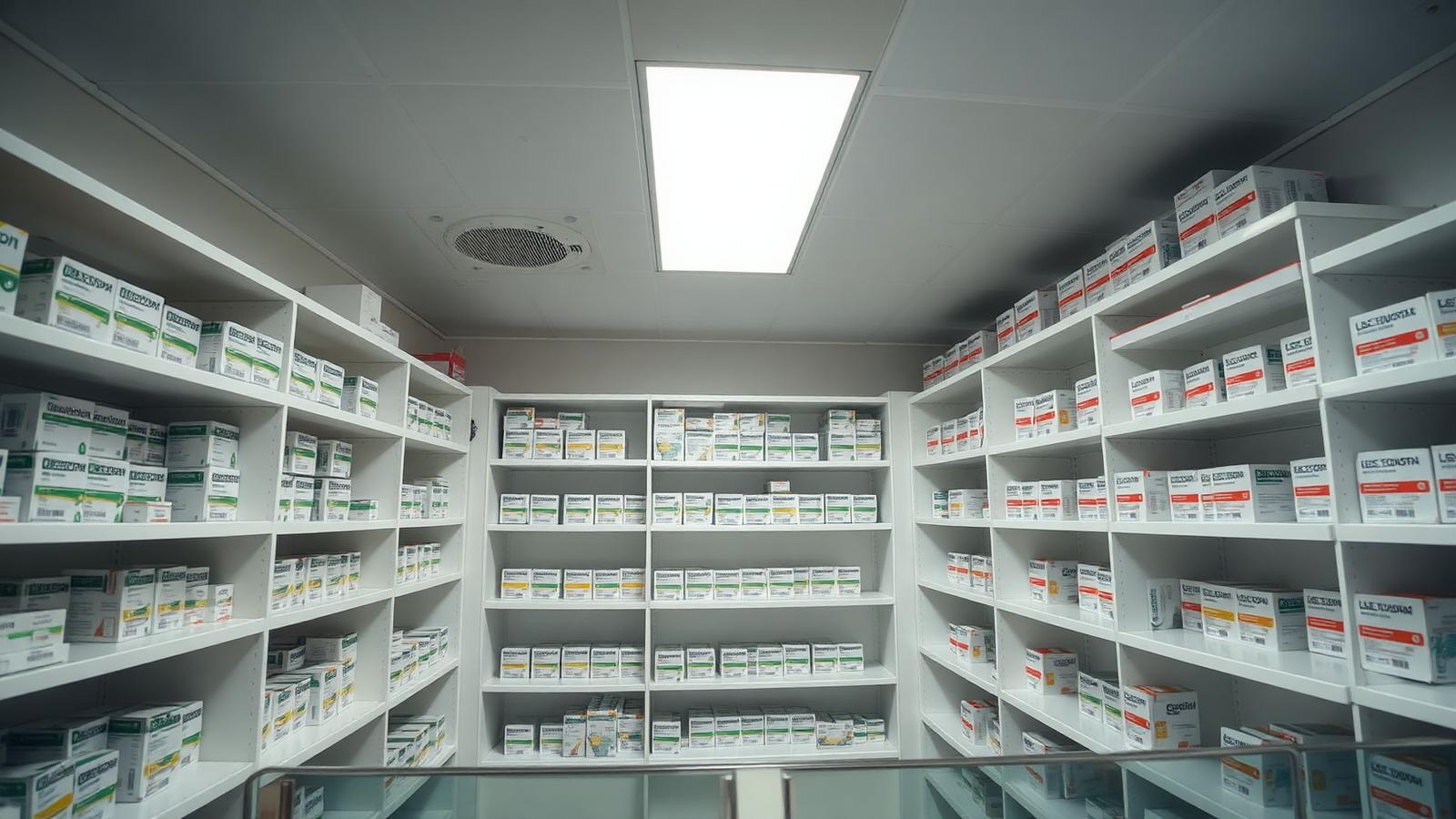
Pharmacies in Uzbekistan are everywhere, cheap and remarkably willing to help — but a few medicines that are ordinary at home are controlled here. This is what to pack, what to buy locally, and what to declare.
Getting sick abroad is the fear that ruins more trips than it should. In Uzbekistan the practical news is good: pharmacies (dorixona in Uzbek, аптека in Russian) are dense, open late, staffed by trained pharmacists, and priced in a way that will shock anyone from the US or Western Europe. The complications are narrower and specific — a handful of controlled substances, a language barrier on brand names, and a customs rule about bringing your own prescription drugs.
How a dorixona actually works
Uzbek pharmacies are counter-service, not shelf-service. You describe the problem or name the drug, and the pharmacist hands over what they recommend. Many will suggest a treatment directly rather than send you to a doctor, and in practice a great deal of primary care happens over the pharmacy counter.
- Generic-first. The same molecule is usually available as a cheap Indian, Uzbek, Russian or Turkish generic. Ask for the active ingredient, not the brand.
- Blister packs, not bottles. You can often buy four tablets instead of thirty, which is useful for a one-off problem.
- Cash and card both work in cities; small neighbourhood pharmacies may be cash-only.
- Most cities have at least one 24-hour pharmacy — in Tashkent there are many, often marked '24' or 'Kechayu-kunduz'.
The language trick that solves most problems
Do not ask for Tylenol, Advil or Panadol. Write down the international generic name — paracetamol, ibuprofen, loperamide, omeprazole, cetirizine, azithromycin — on your phone in Latin letters and show the screen. Pharmacists read chemical names fluently even when they speak no English. This single habit removes almost all friction.
What you can buy easily and cheaply
- Painkillers and fever reducers — paracetamol, ibuprofen, aspirin, plus combination cold powders. Usually a few thousand UZS.
- Stomach and travel-gut basics — rehydration salts, loperamide, activated charcoal, antacids, omeprazole, enzyme tablets.
- Allergy medicines — cetirizine, loratadine, and eye drops for the spring pollen and summer dust that catch many visitors out.
- Wound care — antiseptics, plasters, bandages, saline.
- Antibiotics — widely available and in practice often sold without a prescription being checked. That does not make self-prescribing them a good idea; see below.
About antibiotics
Because the counter is permissive, travellers sometimes buy antibiotics for what is obviously a viral cold. Do not. Antimicrobial resistance is a real and rising problem across the region, most travellers' diarrhoea resolves without antibiotics, and taking the wrong one badly can leave you sicker in a country where you do not speak the language. See a clinic if you are genuinely ill.
What is controlled or restricted
This is the part worth reading before you pack. Uzbekistan, like most of the region, controls narcotic and psychotropic medicines strictly, and the list includes drugs that are routine prescriptions elsewhere.
- Opioid painkillers — codeine, tramadol, oxycodone and anything similar. Codeine-containing cough or headache tablets sold over the counter in some countries are treated as controlled substances here.
- Strong sedatives and benzodiazepines — diazepam, alprazolam, zopiclone and relatives.
- ADHD stimulants — methylphenidate and amphetamine-based medicines are heavily restricted and can be treated as narcotics.
- Some psychiatric and neurological drugs — pregabalin and certain antidepressants and antipsychotics may require documentation.
- Cannabis and CBD in every form, including oils, gummies and vape liquid, regardless of legality at home. This is not a grey area. Do not bring it.
How to bring your own prescription medicine legally
The safe procedure is simple and rarely causes trouble when followed:
- Carry medicines in original labelled packaging, not a pill organiser.
- Bring the prescription or a signed doctor's letter listing the generic name, dose and duration of treatment — ideally translated into Russian, which every customs officer and doctor reads.
- Bring a quantity that plausibly matches your trip length. A month's supply for a ten-day trip invites questions.
- Declare controlled medicines in writing on the customs declaration on arrival and keep your copy. Declaring costs you a few minutes; not declaring a controlled drug is a criminal matter, not a fine.
- Keep injectables (insulin, EpiPens, biologics) plus a doctor's letter in hand luggage, and ask your airline about cold storage rather than assuming.
Doctors, clinics and costs
For anything beyond a pharmacy question, private clinics in Tashkent are the practical option: same-day appointments, English sometimes available, and consultation fees typically in the 150,000–500,000 UZS range in 2026. Lab tests and imaging are similarly inexpensive by Western standards, which is the whole basis of the country's growing medical-tourism sector. State polyclinics are cheaper still but slower and Russian- or Uzbek-only.
The nationwide emergency number is 103 for an ambulance (112 also works as a general emergency line). Response times in central Tashkent are reasonable; in rural areas, a taxi to the nearest district hospital is often faster than waiting.
Travel insurance is not optional
Routine care is cheap, but a serious problem — a fracture needing surgery, a cardiac event, or a medical evacuation from Karakalpakstan or the mountains — is not. Buy a policy that explicitly covers repatriation and read what it says about hiking altitude and motorbike riding.
What to actually pack
- Your own prescriptions, documented as above, plus a few days' spare in case of flight disruption.
- Rehydration sachets — the single most useful item in a hot country with rich food.
- Your preferred painkiller and anti-diarrhoeal, so you are not shopping while ill.
- High-SPF sunscreen. It exists here but is expensive and the selection is poor.
- Anything you are fussy about: contact lens solution, specific tampon brands, a spare pair of glasses.
Pack the documents, not the whole medicine cabinet. Uzbek pharmacies can replace almost anything ordinary for a couple of dollars — but they cannot replace a doctor's letter for a controlled drug.