Every New Direct Flight to Uzbekistan in 2026: The Routes That Just Opened and How They Change Your Itinerary
· 10 min read · Transport
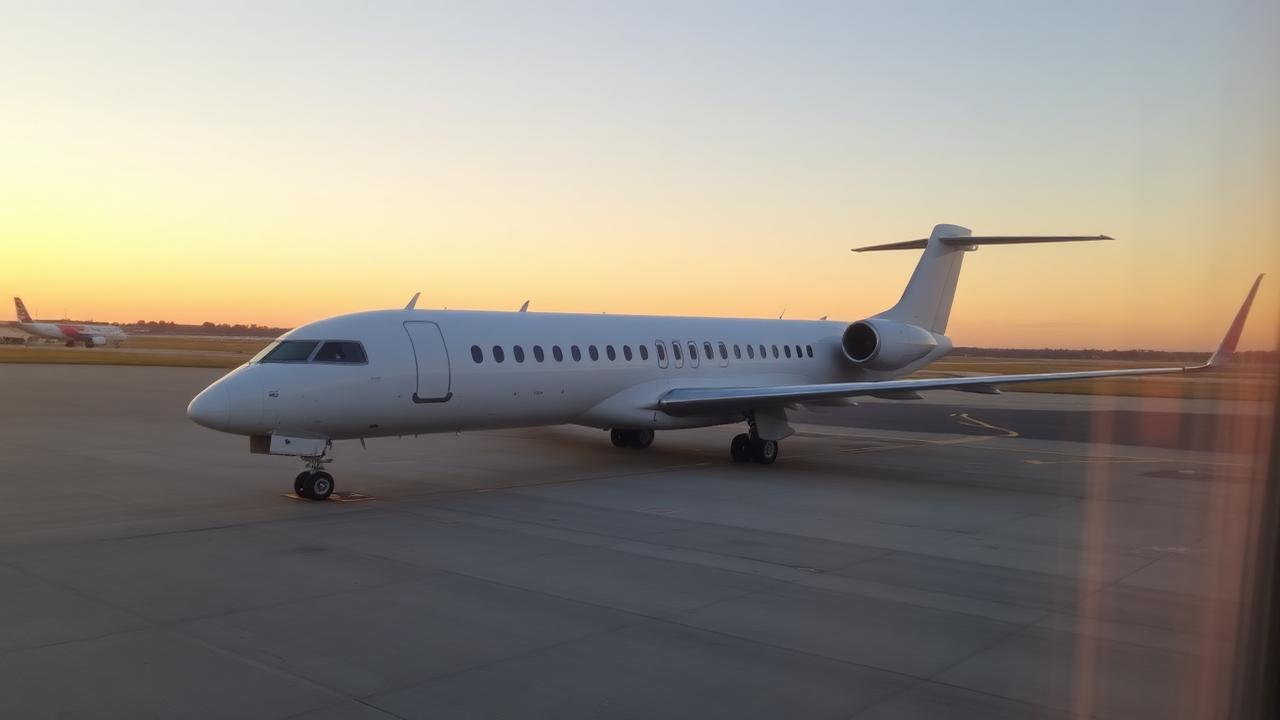
Uzbekistan added more new international routes in 2026 than in any year of the last decade — and most of them do not land in Tashkent. Here is the current map and how to exploit it.
Something structural is happening to Uzbek aviation. For most of the post-Soviet period, getting here meant Uzbekistan Airways to Tashkent or a connection through Istanbul or Moscow. In 2026 the route map has widened in two directions at once: new carriers arriving from the Gulf and Europe, and new destinations beyond the capital. If you last checked flights two years ago, your assumptions are out of date.
The Gulf: Etihad's daily Abu Dhabi–Tashkent
Etihad Airways launched daily direct flights between Abu Dhabi and Tashkent in August 2026 — the carrier's first-ever route to Uzbekistan, with a sold-out inaugural service. The significance is not the single city pair. It is the connectivity behind it: Abu Dhabi feeds from South Asia, Southeast Asia, Australia and much of Europe, which puts Uzbekistan one stop from a very large slice of the world, with onward Uzbek domestic connections to Samarkand, Bukhara, Urgench and several other cities.
Turkey: SunExpress from Izmir
SunExpress began flying Izmir–Tashkent on 3 August 2026, twice weekly on Mondays and Thursdays, over a 3,595-kilometre sector. Istanbul has always dominated Turkey–Uzbekistan traffic; an Aegean departure point is a genuinely new option, and it is a useful pairing for anyone combining a Turkish coast holiday with a Silk Road leg.
Russia: Nordwind into Samarkand and Namangan
Nordwind opened Kazan–Samarkand on 26 August 2026 and Kazan–Namangan from 5 September 2026. The pattern here matters more than the carrier: regional Russian cities are being connected to regional Uzbek cities, bypassing both capitals. Namangan in particular is a labour-migration and family-visit route rather than a tourist one, but it makes the Fergana Valley reachable without the Tashkent detour.
India: Centrum Air to Hyderabad
Centrum Air starts Tashkent–Hyderabad on 28 September 2026, twice weekly on Mondays and Thursdays. It lands in the same month as the newly announced 30-day visa-free regime for Indian citizens, and it is the clearest signal yet that India is being treated as a primary source market rather than a niche one. Expect more Indian metros to follow if load factors hold.
The quiet revolution: flying into somewhere other than Tashkent
Samarkand, Bukhara, Urgench, Nukus and Fergana all now handle international or near-international traffic to varying degrees, and the terminals have been rebuilt. For itinerary design this is the single most valuable fact in this article. The classic mistake is to fly in and out of Tashkent and therefore spend two travel days retracing the same corridor. Fly into one end of the country and out of the other.
Three open-jaw itineraries that now work
- In to Tashkent, out of Urgench: Tashkent, Samarkand, Bukhara, Khiva — the classic route with no backtracking, and the new airport rail link at Urgench closes the loop.
- In to Samarkand, out of Tashkent: start with the headline sight while you are fresh, work east, finish with the capital's food and nightlife before a late departure.
- In to Urgench, out of Samarkand: the reverse-flow option, dramatically quieter in shoulder season, and usually cheaper because everyone else books the other direction.
How to actually find these fares
New routes are frequently invisible on the aggregator you habitually use, especially for smaller carriers that do not distribute widely. Check the airline's own site, search the regional airport codes directly (SKD Samarkand, BHK Bukhara, UGC Urgench, NCU Nukus, FEG Fergana, NMA Namangan), and price the two one-way tickets separately rather than assuming a return is cheaper. Foreign card acceptance on some local carrier sites is still imperfect; if a payment fails, a local travel agency can ticket it for a small fee.
Timing and season
Spring — late March to May — and autumn — September to early November — are peak, and new routes tend to launch just before them. Winter fares to Tashkent can be startlingly cheap, and Uzbekistan in January is a legitimate trip if you accept short days and cold monuments. July and August are hot enough that leisure demand drops and prices with it, but you will be planning your days around shade.
What this means over the next two years
The direction of travel is more carriers, more secondary-city routes and more competition on the Gulf and Turkey corridors, which historically is what pushes fares down. For travellers the practical advice is simple: stop treating Tashkent as the only door, re-check routes within a month of booking because the map is moving, and build itineraries that enter and exit at different points. Uzbekistan is finally big enough on the aviation map to be planned that way.