Gold Teeth: The Story Behind Uzbekistan's Golden Smiles
· 7 min read · Culture
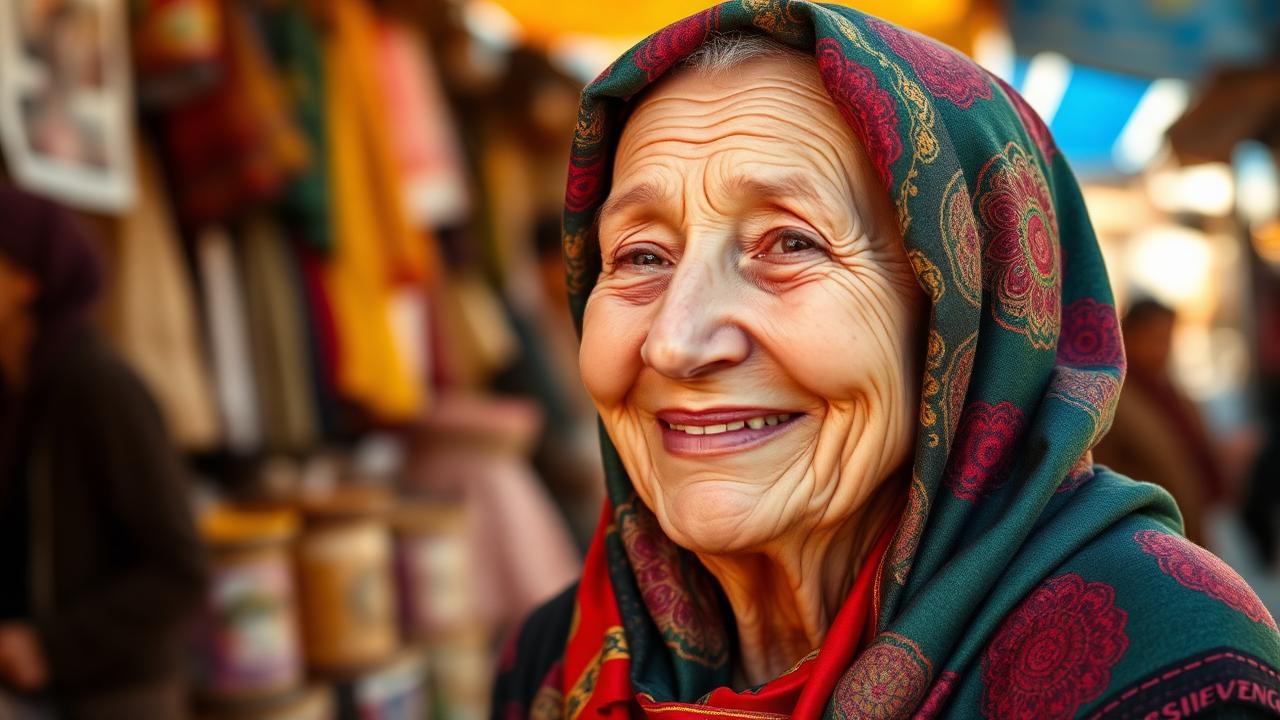
Spend a morning at Chorsu Bazaar and you will be smiled at, repeatedly, by rows of gold. It is one of the first things visitors notice in Uzbekistan and one of the last things they understand. Here is where the golden smile actually comes from.
A grandmother in an atlas headscarf hands you a slice of melon, grins, and her whole smile flashes gold. It is warm, disarming, and — for most foreigners — completely unexpected. Gold teeth are one of the most visible pieces of everyday heritage in Uzbekistan, and like most visible things, the story behind them is longer and kinder than the first impression suggests.
Where the tradition comes from
The custom is not uniquely Uzbek — it runs across Central Asia, the Caucasus, Turkey, Iran and much of the former Soviet Union. Its modern form dates mostly to the Soviet decades. State dentistry was free and widely available, but it was also blunt: the standard answer to a damaged tooth was a crown, and the standard crown material available in Soviet clinics was gold or a gold-coloured alloy. Tooth-coloured ceramics were expensive, imported and, for most of the century, simply not on offer.
So an entire generation had gold in their mouths by default. What began as the only practical option quietly became the look people expected.
From necessity to status symbol
Gold has always carried meaning here. In a cash-scarce economy where banks were not trusted, gold jewellery was how families stored value — and gold in your mouth was value you could not lose, could not be robbed of easily, and did not have to explain. A mouth of gold said, plainly: this family is doing fine.
- Gold crowns doubled as portable savings — real assets, worn daily.
- A full set signalled prosperity at a time when few other outward luxuries were permitted.
- In rural areas it was often a wedding gift, paid for by the groom's family before the bride was photographed.
- For older women in particular, gold framed the face the way earrings or a bracelet would.
The aesthetic argument — it was a choice, too
It is easy for outsiders to assume gold teeth were purely medical. Plenty of them were purely cosmetic. Healthy teeth were sometimes filed down and crowned on purpose, especially before a wedding, because the golden smile was considered beautiful and grown-up. Photographers in the 1970s and 80s knew to catch the light on it. Ask an elderly woman in Bukhara about her teeth and there is a good chance she will tell you, cheerfully, that she chose them.
My mother's gold teeth were her wedding jewellery. She wore them for fifty years and never once thought of them as damage.
How it is viewed today
Attitudes have shifted fast since the 1990s. Private clinics arrived, ceramic and zirconia crowns became affordable, and Western beauty standards took hold through television and then Instagram. Today the pattern is roughly generational:
- Over 60: gold is common, normal, and worn without a second thought.
- 40–60: a mix — many have one or two gold crowns at the back, white ones at the front.
- Under 40: overwhelmingly white ceramic. Some have had old gold crowns replaced.
- Dental tourism has grown in the other direction too — Uzbek clinics in Tashkent now do high-quality ceramic work at a fraction of European prices.
There is affection in how younger Uzbeks talk about it. Gold teeth are grandmother teeth: they belong to the people who raised them, fed them, and ran the household. They are not a joke, and they are not shame — they are a period detail of a generation that survived a great deal.
Etiquette for visitors
- Do not photograph someone's smile without asking. Ask, and you will usually get a proud, deliberate grin.
- Do not comment on it as though it were unusual or funny — to your host it is as ordinary as a wedding ring.
- If someone raises it themselves, curiosity is welcome. 'Was it a wedding gift?' is a question that unlocks whole family histories.
- Never bring up cost or value. Gold in the mouth is still, culturally, money.
Honest verdict
The golden smile is a fading tradition — in twenty years it will mostly be gone from Uzbekistan, the way it has largely gone from Turkey and Russia. That makes it one of the small things worth actually noticing while you are here: a piece of living twentieth-century history, worn on the face, and offered to you every time somebody in a bazaar decides they like you.