Global Brands Land in Tashkent: IKEA, Coffee Chains and Uzbekistan's Retail Boom (2026)
· 8 min read · Shopping
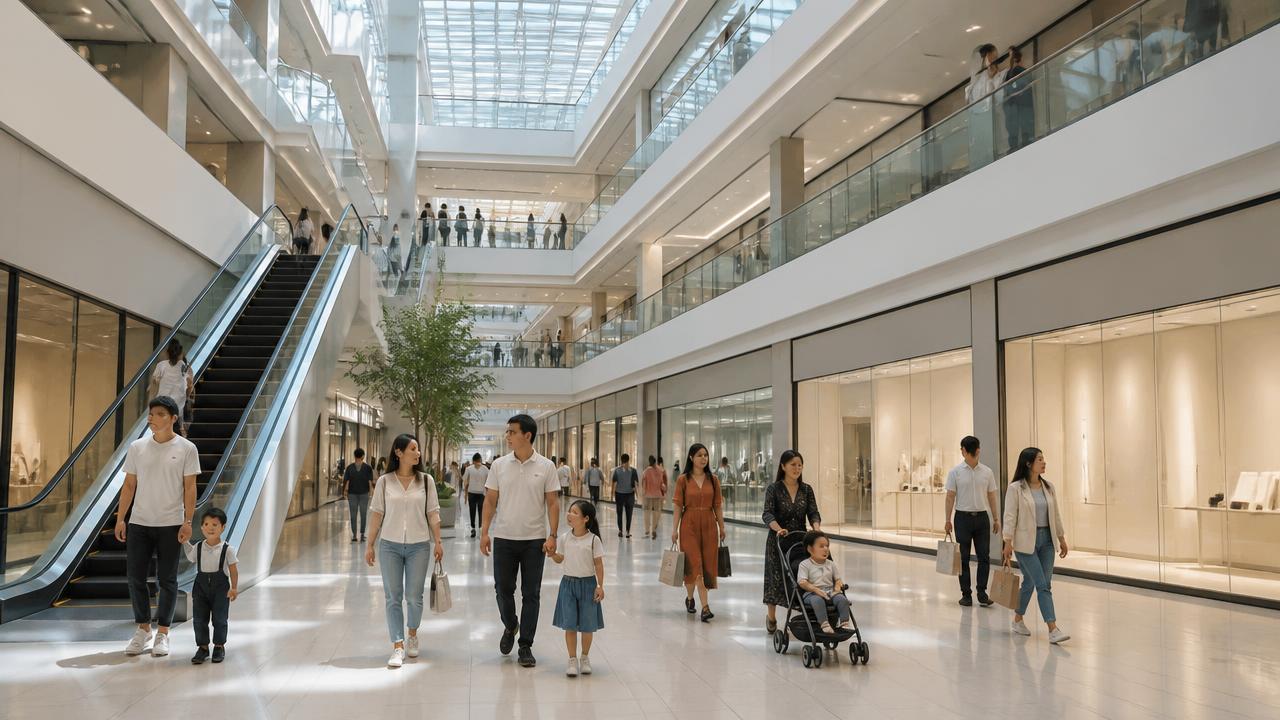
A decade ago Tashkent had bazaars and Soviet department stores. Now it has glass malls, franchise coffee, drive-through burgers and a middle class arguing about mark-ups. The brand-arrival race is the clearest measure of how fast Uzbekistan is changing.
Foreign retail arriving in a country is never only about shopping. It is about currency convertibility, franchise law, logistics corridors and whether a middle class exists that can pay. Uzbekistan flipped all of those switches after 2017, and Tashkent has been catching up at speed ever since. If you visited in 2016 and come back in 2026, the malls will be the thing that disorients you, not the monuments.
Why nothing came before 2017
Two hard blockers. First, currency: for years companies could not reliably convert soʻm profits into dollars to repatriate, which is fatal for a franchise model. The 2017 liberalisation of the exchange rate removed that. Second, purchasing power and logistics — a landlocked market of 37 million with limited modern retail space and complicated imports. Once convertibility, customs reform and mall construction arrived together, the queue formed fast.
What has landed
- Global fast food and coffee franchises across Tashkent's malls and main avenues, with drive-throughs on the ring roads.
- International fashion and fast-fashion brands anchored in the big shopping centres.
- Home-furnishing and DIY formats — the Scandinavian flat-pack model has been the most-discussed arrival, following the pattern set in Kazakhstan.
- Hotel groups: international chains now operate in Tashkent, Samarkand and Bukhara alongside boutique guesthouses.
- Electronics and appliance chains, plus official brand stores replacing grey-import bazaar stalls.
The local players who are winning anyway
It would be wrong to tell this as foreign brands conquering a blank market. Uzum — a homegrown ecosystem combining marketplace, fintech and bank — has done to Uzbek e-commerce what few foreign entrants managed, and Korzinka remains the default grocery chain. Local coffee roasters out-compete global chains on quality in Tashkent. In practice the foreign logo is often a franchise operated by an Uzbek group that already runs half a dozen other brands.
Why prices feel odd to visitors
- Imported branded goods carry freight and duty from a landlocked position — expect European prices or above on electronics and fashion.
- Anything grown, cooked or made locally is dramatically cheaper — food, tailoring, crafts, services.
- That gap is the whole retail logic here: locals buy imported goods as status purchases and everything else from bazaars and local chains.
- Cards work in malls; bazaars want cash or a Payme/Click QR code.
The malls worth knowing in Tashkent
- Tashkent City Mall — the newest flagship complex next to the Tashkent City park.
- Samarqand Darvoza — established mall on the western side, cinema and food court.
- Compass and Riviera — mid-market malls popular with families.
- Chorsu and Alay bazaars — the actual answer if you want to buy anything worth carrying home.
What it means for travellers
Practically: you can now replace a broken charger, buy contact-lens solution, get a proper flat white and find a familiar burger at midnight — things that genuinely mattered on longer trips. Culturally: do not fly to Uzbekistan to shop at brands you have at home. The malls are useful infrastructure and a great place to watch modern Uzbek family life, but the country's actual retail genius is still a suzani stall in Urgut and a spice pyramid in Siyob.
What is still missing
Several major global retailers remain absent, and some payment and subscription services still do not accept Uzbek-issued cards, which is why locals keep foreign cards or use intermediaries. Expect that gap to keep closing — every year a brand that was 'coming soon' opens, and the announcement trends on local Telegram for a week.