Uzbekistan's Fruit Calendar (2026): What Is Ripe Every Month and When to Go for It
· 10 min read · Food & Drink
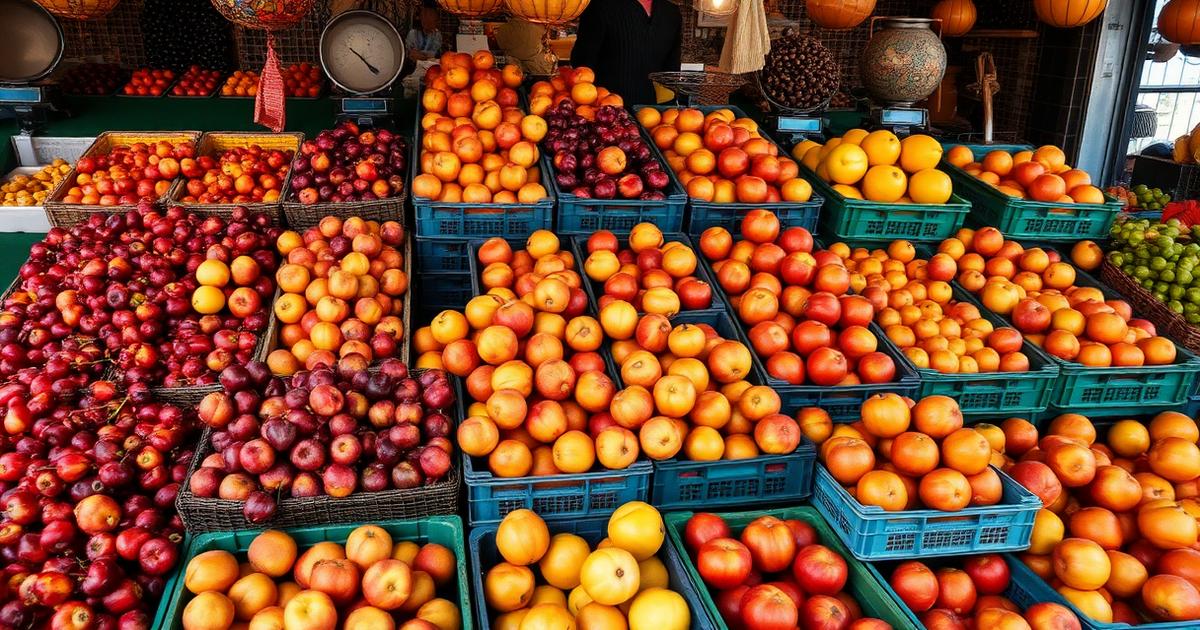
Uzbek fruit is a genuine reason to time a trip. This is the full calendar — what ripens when, which region does it best, and what you should be paying at the bazaar.
Travellers plan Uzbekistan around monuments and then remember the fruit. Continental climate, huge day-night temperature swings and long sun hours produce sugar concentrations that are genuinely hard to find elsewhere, and the country's internal seasons run in a clear sequence from the southern lowlands north and upwards into the mountains. If you can move your dates by two weeks, this calendar is worth reading before you book.
Spring: March to May
March — greens, not fruit
The bazaars are still about herbs, radishes and the first cucumbers. Navruz tables are green rather than fruity. What you will see is dried fruit from last year's harvest at its cheapest before the new season resets prices.
April — strawberries and early cherries
Southern Surxondaryo runs three to four weeks ahead of Tashkent, so the first strawberries reach the capital's bazaars in April. Prices start high and fall fast; wait ten days and they halve.
May — cherry season, the underrated peak
May is one of the best fruit months of the whole year and almost nobody plans for it. Sweet cherries, then sour cherries, then the first apricots overlap with mulberries dropping from trees in every courtyard. Combine it with wildflower season in the foothills and May becomes arguably the single best travel month in the country.
Summer: June to August
June — apricots and the first melons
Apricots peak, and the Fergana Valley and Samarkand region both produce varieties worth seeking out by name. This is also when apricots are laid out on rooftops to dry, which is why the winter dried-fruit stalls are so good. The earliest melons arrive from the south at the end of the month.
July — peaches, figs and the melon wave
Peaches and nectarines dominate, figs appear in Surxondaryo and around Termez, and the melon trade goes into full swing. July is also brutally hot, which is exactly why the fruit is so good and why the bazaars empty between noon and four.
August — the melon and grape summit
Mirzachul melons and Khorezm varieties reach their peak, and grape season begins in earnest: husayni, kishmish, black table grapes sold by the kilo everywhere. If you have one month to eat your way through Uzbekistan, it is August — with the caveat that you will be doing it at forty degrees.
Autumn: September to November
September — grapes, apples and the best all-round month
The most comfortable travel month also carries the widest fruit selection of the year: late melons, full grape season, the first pomegranates from the south, apples from the mountain orchards and figs still going. This is the month where a bazaar visit is a genuine attraction in its own right.
October — pomegranates and quince
Pomegranate season is the headline. Southern fruit is deep red and sold both whole and pressed at street stalls. Quince appears in every plov-adjacent kitchen, and walnuts arrive at the dried-fruit rows.
November — persimmon, the country's autumn signature
Persimmon takes over completely, in both the astringent and crisp varieties. Trees stripped of leaves but heavy with orange fruit are one of the defining images of an Uzbek November, and they are shipped abroad in enormous volumes.
Winter: December to February
Fresh fruit narrows to stored apples, imported citrus and the last persimmons, but this is when dried fruit and nuts come into their own: apricots dried whole with the stone, raisins in five colours, walnuts, almonds and pistachios. Winter is the right season to buy dried goods to take home, because the stalls are competing on the previous summer's harvest and the quality range is at its widest.
How to buy at the bazaar
- Prices are per kilo and posted, but the posted number is a starting point on non-fixed stalls.
- Always taste before buying — offering a slice is standard practice, not a favour, especially with melon and grapes.
- Buy at the outer rows rather than the entrance; the first stalls charge a convenience premium.
- Morning has the best selection; the last hour of the day has the best prices.
- Bring cash in small notes even where QR payment is accepted, and bring your own bag.
Taking fruit home
Fresh fruit is a customs problem in most destinations and will usually be confiscated. Dried fruit and nuts are the practical souvenir, are vacuum-packable at the bazaar, and travel well. Check your home country's rules on plant products before packing anything fresh, and be aware that Uzbekistan has its own export limits on some agricultural goods.
Bottom line
If fruit matters to you, aim for late May, August or September. May gives you cherries and mild weather, August gives you melon and grape season at maximum intensity, and September gives you the best balance of both plus comfortable temperatures. Any of the three turns a routine bazaar stop into one of the trip's highlights.