Uzbekistan's First-Ever World Cup: The White Wolves' Historic 2026 Debut
· 9 min read · Culture
On 5 June 2025 a goalless draw in Abu Dhabi changed the mood of a whole country. A year later Uzbekistan played at a World Cup for the first time in its history — and even though the White Wolves went home after three games, Tashkent has not been the same since.
If you are travelling in Uzbekistan in 2026 and you want one guaranteed conversation-starter with a taxi driver, a bazaar vendor or a hotel receptionist, say two words: 'Jahon chempionati' — the World Cup. This is a country that waited 34 years since independence to reach one, and in 2026 it finally did. This is not a match report; it is a guide to what happened, why it matters, and how it shows up in daily life for anyone visiting.
The night it happened: 5 June 2025
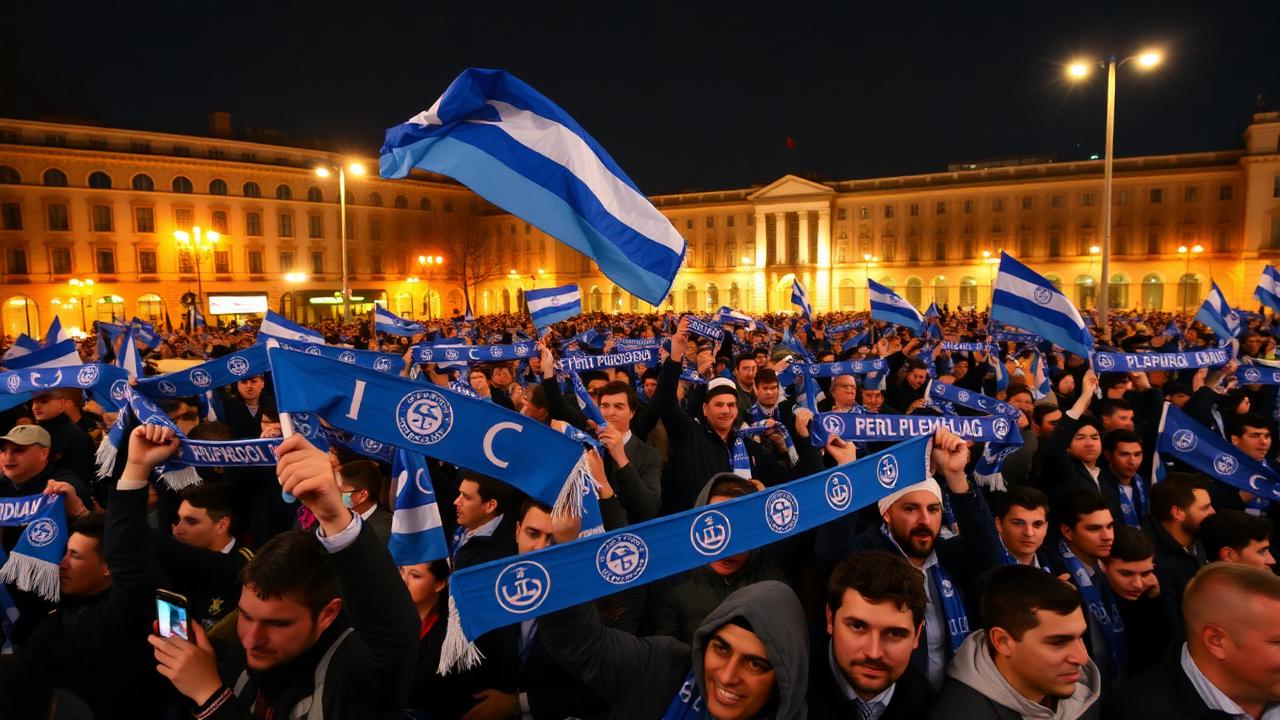
Uzbekistan secured qualification for the 2026 FIFA World Cup on 5 June 2025 with a 0–0 draw away to the United Arab Emirates. A goalless draw is not the stuff of highlight reels — but it was enough, and it made Uzbekistan the first Central Asian nation of the post-Soviet era to reach a men's World Cup. In Tashkent, people who had never watched a full match walked out onto Amir Timur Square. Car horns ran until 3am. Drivers hung flags out of windows on Shota Rustaveli street. Older fans cried on live television, because they remembered every near-miss since 1994.
Why 'White Wolves'?
The national team's nickname is the White Wolves (Oq boʻrilar). The wolf is an old Turkic symbol of endurance and loyalty, and white matches the team's traditional home kit. You will see the wolf on scarves, on café windows, spray-painted on garage doors in the mahallas, and — inevitably — airbrushed on the back of white Chevrolets.
What actually happened at the tournament
The 2026 World Cup was hosted jointly by the United States, Canada and Mexico. Uzbekistan's debut ended in the group stage: they lost all three matches — 3–1 to Colombia, 5–0 to Portugal, and 3–1 to DR Congo. On paper that is a hard first outing. But two moments went straight into national memory.
Eldor Shomurodov's goal — the first time Uzbekistan ever led
Against DR Congo, Eldor Shomurodov scored to put Uzbekistan ahead. It was the first time in history that Uzbekistan had ever held the lead in a World Cup match. Shomurodov, a Jizzakh-born striker who built his career in Italy, is the closest thing the country has to a household sporting name.
Abbosbek Fayzullayev on the scoresheet
Abbosbek Fayzullayev, the young attacking midfielder who came through the domestic system before moving abroad, also scored at the tournament. For a generation of teenagers in Tashkent and Fergana, he is the proof that the pathway is real.
We lost three games and the country celebrated for a month. That tells you it was never only about the results.
Football fan culture in Uzbekistan, explained
Football here is a family activity rather than a stadium subculture. Match nights are watched in chaykhanas (tea houses) with the sound turned up, at outdoor plov cafés, and in the courtyards of mahallas where somebody drags a TV outside and forty neighbours pull up stools. Alcohol is a small part of it; tea, non bread, sunflower seeds and shouting are the fuel.
- Domestic league: the Uzbekistan Super League runs roughly March–November. Pakhtakor Tashkent is the historic giant; AGMK, Nasaf Qarshi and Bunyodkor draw big crowds too.
- Pakhtakor's Milliy Stadion (National Stadium) in Tashkent holds around 34,000 and is the usual home of the national team.
- Tickets for domestic games are astonishingly cheap — typically 20,000–50,000 som ($1.50–$4). National team games sell out in minutes.
- Crowds are mixed-gender, family-heavy and good-natured. Away-fan trouble is essentially unheard of.
Where to watch football in Tashkent as a visitor
- Chaykhanas around Chorsu and Yunusabad — the most authentic option; expect green tea, samsa and commentary in Uzbek.
- Sports bars in the Mirabad and Yakkasaray districts show big matches with English commentary and imported beer.
- Hotel lobby bars in the city centre reliably carry international broadcasts.
- Milliy Stadion (Bunyodkor Avenue, Yashnabad) — buy tickets through the official club channels or at the gate on match day; bring your passport.
- Kick-off times for European football are late here (UTC+5), so a Champions League night starts at midnight local time.
What the milestone means for the country
Uzbekistan has spent the last decade opening up: visa-free entry for 90+ nationalities, new airports, high-speed rail, a tourism campaign that finally has a budget. Qualifying for a World Cup did something none of that could buy — it put the country's name on television screens in 200 countries for three weeks, spelled correctly, next to Portugal and Colombia. Domestically, it triggered a wave of investment in youth academies and pitches; internationally, it made 'Uzbekistan' a word a lot of people finally had to place on a map.
Practical notes for travellers
- Mentioning the World Cup is an instant icebreaker. Knowing Shomurodov's name will earn you a free cup of tea somewhere.
- National team merchandise is sold at Chorsu Bazaar and Samarqand Darvoza mall. Official kit is around 250,000–400,000 som; bazaar copies cost a fraction of that.
- On national team match days expect heavy traffic near the stadium and packed taxis afterwards — walk a few blocks before ordering a Yandex Go.
- Football talk is safe, warm, apolitical ground. It is the fastest route into a real conversation with locals of any age.
Honest verdict
Three defeats, one lead, two scorers, and a country that behaved as if it had won the thing. Uzbekistan's 2026 debut was not a fairy tale on the pitch, but it was a genuine cultural turning point — and if you visit in 2026 you are visiting a nation in an unusually proud, unusually open mood. Take advantage of it: get to a Pakhtakor game, sit in a chaykhana on a match night, and ask someone where they were on 5 June 2025.