Uzbekistan Is Building Central Asia's First Nuclear Plant — What It Actually Means
· 10 min read · Modern Uzbekistan
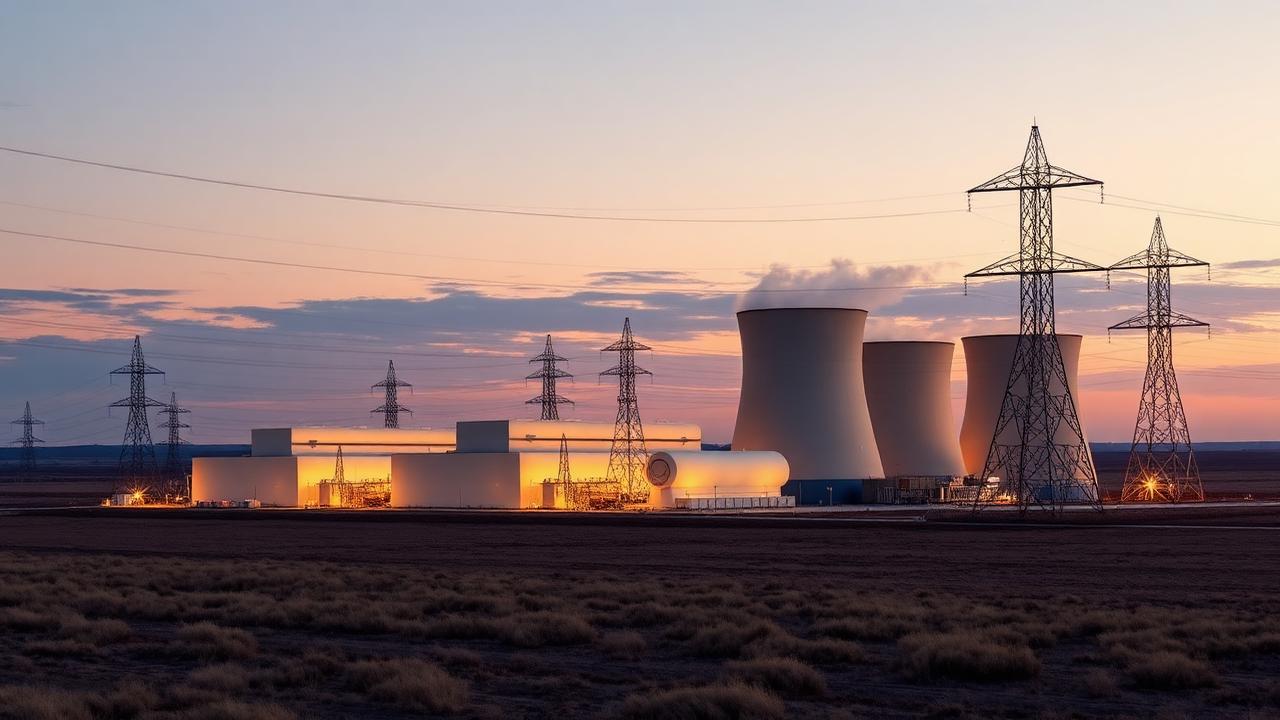
Uzbekistan is constructing Central Asia's first nuclear power station in Jizzakh region. It is a small modular design, it is politically sensitive, and it explains a lot about the country's winter energy problem.
Every winter, parts of Uzbekistan lose gas pressure and electricity for hours at a time. Demand keeps growing, domestic gas output is flat, and the grid is old. Nuclear power is the government's headline answer — and it is being built now, in the Jizzakh region near Lake Tuzkan.
What is being built
The project is a small modular reactor (SMR) station developed with Russia's Rosatom, using multiple smaller reactor units rather than one giant block. A larger high-capacity plant has also been discussed as a follow-on stage. SMRs are faster to build and easier to finance, but the technology is far less proven at commercial scale than conventional reactors.
Why Uzbekistan wants it
- Electricity demand is rising fast with population growth, air conditioning and electric vehicles.
- Domestic natural gas is increasingly needed for export contracts, industry and heating.
- Solar is expanding rapidly but does not cover winter evenings, which is exactly when the grid fails.
- Uzbekistan is a major uranium producer, so the fuel story is domestically attractive.
The arguments against
- Cost and financing terms tie the country to a long-term foreign partnership.
- Central Asia is water-stressed and thermal plants need cooling water.
- Seismic risk is real in the wider region and demands conservative siting and engineering.
- Waste handling and regulatory capacity have to be built from near zero.
- Critics argue the same money in grid upgrades, efficiency and storage would deliver faster relief.
The water question
This is the point most international coverage misses. In a basin already fighting over the Amu Darya and Syr Darya, allocating cooling water to a power station is a political decision as much as a technical one. Uzbek engineers point to closed-cycle cooling and the Tuzkan reservoir; hydrologists point out that regional water is contested every single year.
Realistic timeline
Site works and infrastructure are underway, with commissioning targeted toward the end of the decade. Nuclear timelines slip almost everywhere in the world, so treat any specific start-up date with caution and check the latest official announcements rather than older news summaries.
Does this affect travellers?
Not directly. There is no visitor access to the construction site, and it is not a tourist attraction. What does affect travellers is the underlying problem: in January and February, budget hotels and homestays in smaller towns can lose heating or power. Pack layers, choose accommodation with backup heating and do not assume constant supply outside the main cities.
Honest verdict
The plant is neither the disaster its critics predict nor the instant fix its promoters promise. It is a bet that Uzbekistan can build the institutions — regulator, workforce, waste plan — as fast as it builds the reactor.