Uzbekistan Is Becoming a Film Set: Cash Rebates, Desert Backlots and the Shoots Nobody Expected
· 9 min read · Culture
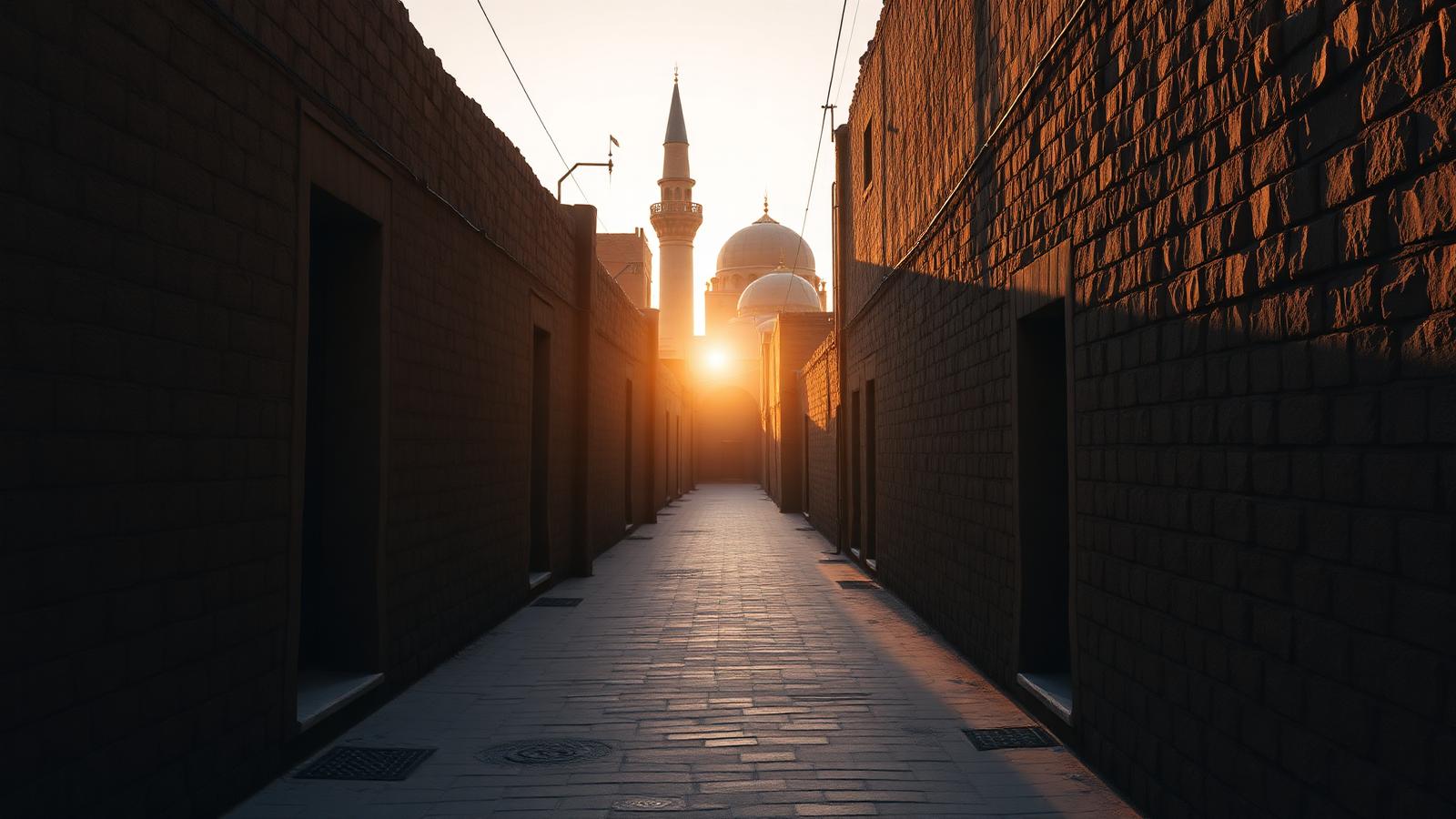
A walled medieval city with no cables, no traffic and no crowds; a desert that photographs like Arabia; and a government offering to pay part of your production bill. Uzbekistan has quietly become one of the cheapest cinematic backdrops on earth.
Location scouts have a short list of problems: modern clutter in historic sites, permit bureaucracy, and cost. Uzbekistan solves all three unusually well. Khiva's walled Ichan Kala is a complete medieval city with almost no visible modernity. Bukhara offers domes and caravanserais. The Kyzylkum gives empty dunes within a few hours of an international airport. And the state has been actively paying to bring foreign crews in.
The cash rebate: the actual reason
Uzbekistan introduced an incentive scheme that reimburses a share of qualifying local spend by foreign productions, administered through the national cinematography agency. The mechanics are the same as in Jordan, Morocco or Georgia: shoot here, spend locally, submit an audit, get a percentage back. Combined with local crew and service costs far below European rates, it makes period and desert filming dramatically cheaper than the traditional alternatives.
Who has been shooting
Uzbekistan has hosted Indian, Russian, Turkish, Korean and European productions across features, series, documentaries and a very large volume of music videos and commercials. Indian production interest in particular has grown as Central Asia has become a substitute for the Swiss-and-European locations Bollywood traditionally used, and Uzbek tourism authorities openly court it.
The locations, and why they work on camera
Khiva — Ichan Kala
A UNESCO-listed walled inner city where the entire set already exists: mud-brick walls, minarets, caravanserais, madrasas and narrow lanes with almost no cars. Dress the extras and you have the 18th century with no CGI cleanup. Early morning is the only crowd-free window for travellers too.
Bukhara
Trading domes, the Ark fortress, Lyab-i Hauz pool and a living old town. Bukhara reads as a lived-in Silk Road city rather than a monument park, which is what directors want for market and street scenes.
Samarkand
The Registan is the money shot of Central Asia — three madrasas facing a single square — plus Shah-i-Zinda's tiled corridor. Heavily restored and heavily visited, so it usually appears in aerials and establishing shots rather than long dialogue scenes.
The Kyzylkum and Aydarkul
Dunes, salt flats, camels, yurt camps and empty horizons within driving distance of Samarkand or Navoi. This is the region that doubles for generic desert — and the Aral Sea's dried seabed at Moynaq gives an apocalyptic ship-graveyard landscape that exists nowhere else.
Soviet Tashkent
Brutalist blocks, mosaic panels, the Hotel Uzbekistan facade and the metro's chandeliered stations give period Soviet interiors and exteriors that are increasingly hard to film in Russia for legal and political reasons.
Khiva does not need a set built. It needs the electric scooters moved out of frame for ten minutes.
Uzbekfilm and the local industry
Uzbekfilm, the national studio founded in the Soviet era, still operates in Tashkent with stages, backlots and archives, and the domestic industry produces a steady stream of local features and series for a genuinely enthusiastic home audience. Local crews, fixers and equipment houses have grown fast on the back of foreign service work.
For travellers: how to visit the locations
- Khiva: stay inside the walls overnight — the city empties after the day-trip buses leave and looks exactly like the footage.
- Bukhara: shoot the trading domes at first light; the Ark's walls take late-afternoon sun best.
- Kyzylkum: overnight at an Aydarkul yurt camp for the dune-and-camel landscape without a permit.
- Moynaq: the ship graveyard on the dry Aral seabed, reachable from Nukus.
- Tashkent metro: photography is permitted since the old ban was lifted; Kosmonavtlar and Alisher Navoi are the classics.
If you plan to film anything more than a phone clip
- Commercial shoots at monuments need permits from the site authorities and the cinematography agency, arranged through a local fixer.
- Drones require prior authorisation and are restricted near borders, airports and government or industrial sites — this is enforced.
- Tripods and professional rigs inside museums usually incur a separate fee.
- Foreign productions applying for the rebate must use a registered local service company; individual freelancers do not qualify.
Honest verdict
Uzbekistan's film push is a rare case where a government incentive lines up perfectly with what the country already has: intact historic cities, empty desert, cheap skilled crews and short flight times from India, Turkey and the Gulf. For travellers, it means the places you visit will look increasingly familiar on screen before you get there — and that Khiva at 6 a.m. is worth the alarm.