Uzbekistan's Festival Calendar 2026–2027: What's Worth Planning a Trip Around
· 8 min read · Culture
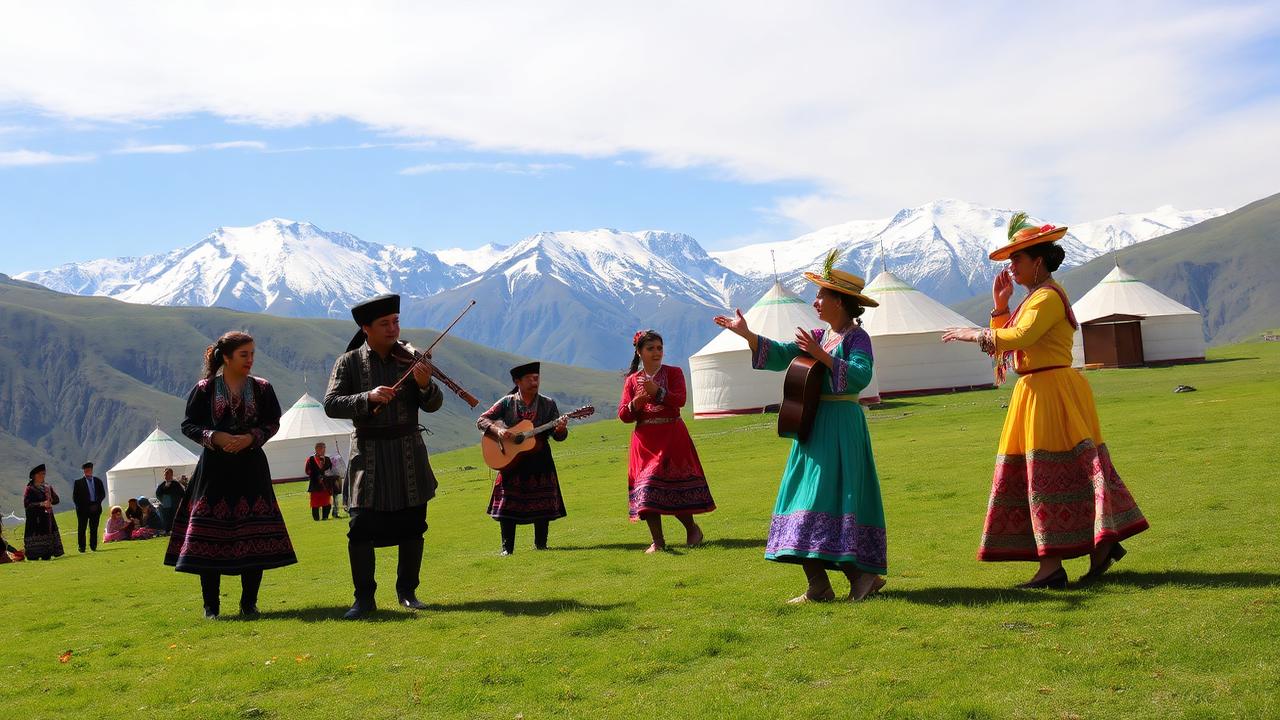
An opinionated calendar: which Uzbek festivals justify shaping a whole trip around, which are pleasant if you happen to be there, and which weeks to actively avoid unless you booked months ago.
Most "festival calendar" articles list every event in the country and rank none of them. That's not useful when you're choosing dates. So here's an opinionated version: which festivals genuinely justify shaping a trip around, which are pleasant if you happen to be there, and which dates you should avoid unless you've booked months ahead.
The big four, ranked
1. Navruz (late March) — the one to plan around
Persian and Central Asian New Year, and the biggest celebration in the country. Fire-jumping, street feasts, sumalak cooked overnight in giant cauldrons, entire neighbourhoods out at once. It coincides with the best weather of the year. The catch: flights and guesthouses in Samarkand sell out and prices spike. Book months ahead or don't come during it.
2. Sharq Taronalari — the spectacular one
Central Asia's premier international music festival, held biennially in late August in Samarkand, with folk musicians from dozens of countries performing against the illuminated Registan. It draws 50,000+ visitors. If your dates align, it's one of the great music experiences anywhere. Book Samarkand accommodation absurdly early — as much as five months out.
3. Boysun Bahori (spring, Surkhandarya) — the connoisseur's pick
Three days of music, tightrope walking and horseback contests in a mountain meadow in the south. UNESCO recognises the Boysun cultural space as a masterpiece of intangible heritage. Harder to reach and far less polished than the headline events, which is precisely the appeal.
4. Silk & Spices Festival (Bukhara, spring) — the accessible one
Crafts, music and food in the best-preserved old city in the country. Less overwhelming than Navruz, easier logistics, still atmospheric.
The food festivals
Plov festivals in Tashkent, around the Central Plov Centre and exhibition grounds, gather the city's top oshpaz to compete over cauldrons feeding hundreds. Melon festivals in late summer celebrate a fruit that travelled the Silk Road as a diplomatic gift; farmers hand slices to strangers, which tells you more about Uzbek hospitality than any guidebook. Neither warrants rearranging a trip; both are excellent if you're nearby.
Dates to be careful of
- Navruz week (late March): accommodation and transport sell out; prices climb sharply.
- Independence Day (1 September): central Tashkent is locked down and trains run packed.
- Sharq Taronalari (late August, on its years): Samarkand fills completely.
If you dislike crowds, these are the weeks to work around rather than toward.
Smaller things worth knowing
Autumn brings the Tashkent International Film Festival in late September and an ATP 250 tennis event at the Tashkent Tennis Centre, where early-round tickets are cheap and you sit close enough to hear the players. Samarkand runs a marathon that starts under the dome of Bibi-Khanym and finishes beside Shah-i-Zinda's tilework, plus astronomy evenings at Ulugh Beg's observatory ruins — telescopes, cardamom tea, sesame halva. Jizzakh Open Air at Lake Aydarkul in late June has grown into a genuine festival with beach volleyball on the lake.
How to actually use this calendar
- Want the country at its best and don't mind crowds: late March, Navruz. Book by December.
- Want great weather and no chaos: April–May or September–October, skipping the peak dates above.
- Want one unforgettable night: aim for a Sharq Taronalari year in Samarkand.
- Want the version tourists don't see: Boysun Bahori in spring.
One planning warning: exact dates for several of these shift year to year and are announced relatively late. Confirm before booking flights — never assume last year's dates repeat.