Traveling to Uzbekistan During Ramadan (2026): What's Open and What to Expect
· 11 min read · Culture
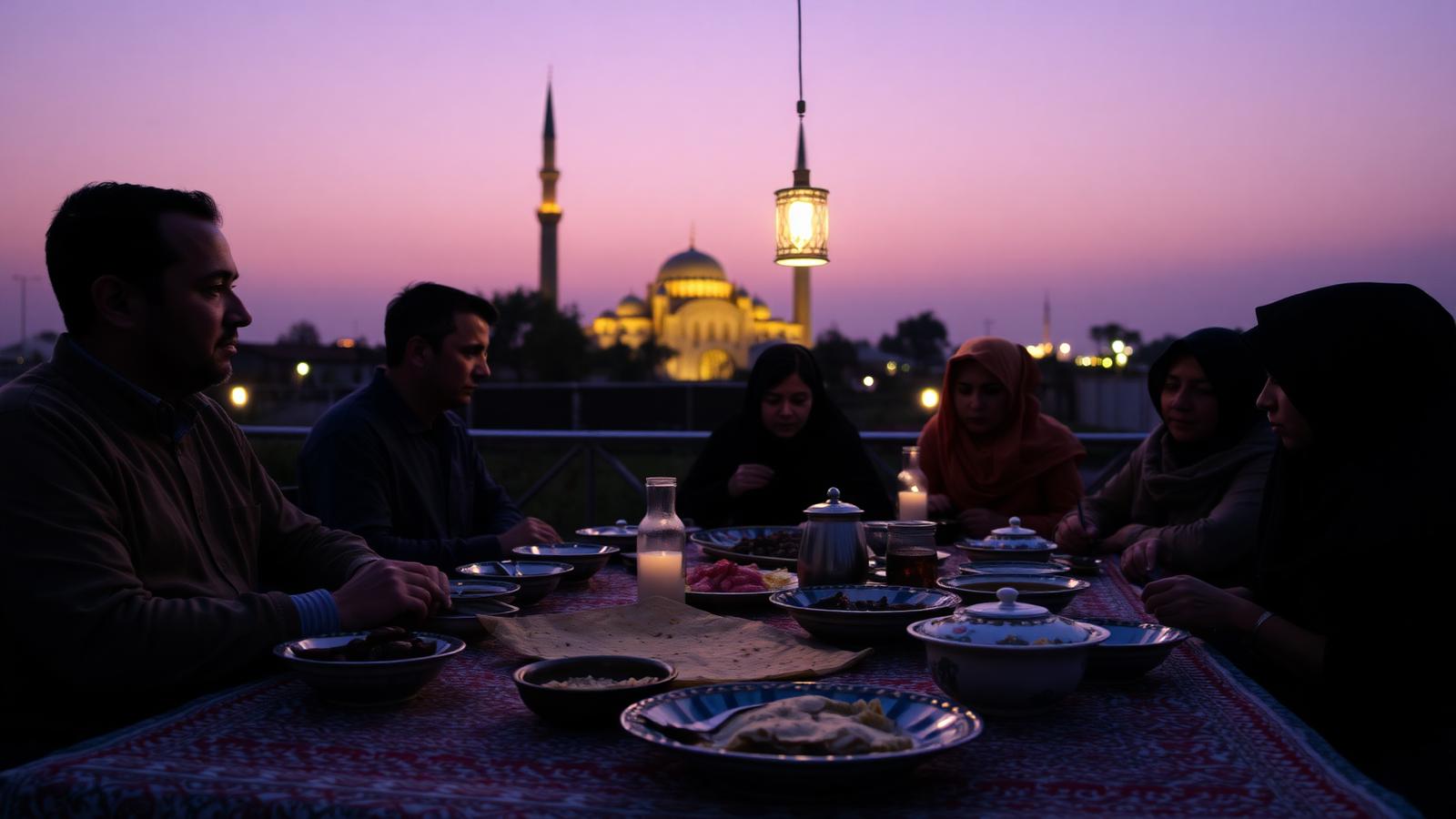
Uzbekistan is a Muslim-majority country with a secular state — which makes Ramadan here nothing like Ramadan in the Gulf. Restaurants stay open, monuments keep normal hours, and evening streets get better, not quieter. Here is what actually changes.
Travelers often cancel Central Asia plans when they realise their dates fall in Ramadan. In Uzbekistan that's usually a mistake. Around 90% of the population is Muslim, but seventy years of Soviet secularism left a country where fasting is a personal choice rather than an enforced public rule. Cafés serve lunch. Museums open on time. Nobody will comment on you drinking water on a train. What changes is rhythm, atmosphere and — if you time it right — food.
When is Ramadan in 2026?
Ramadan in 2026 runs from roughly 17 February to 19 March, with Eid al-Fitr (Ramazon Hayit in Uzbek) around 20 March. Exact dates depend on the moon sighting announced by Uzbekistan's Muslim Board, and can shift by a day. Eid al-Fitr is a public holiday, and in 2026 it lands almost on top of Navruz (21 March), the Persian new year — which is the single biggest celebration of the Uzbek year.
What stays open (almost everything)
- Restaurants and cafés: open all day in Tashkent, Samarkand, Bukhara and Khiva. Some small family teahouses in rural areas close until sunset.
- Bazaars: normal hours, and busier than usual in the late afternoon as families shop for iftar.
- Museums, madrasas and monuments: standard hours; Registan, Ichan Kala and the Ark all operate normally.
- Trains, metro and domestic flights: unchanged schedules.
- Hotels: full service, breakfast as usual.
- Bars and alcohol shops: still open, though quieter; some restaurants voluntarily stop serving alcohol during the month.
What actually changes
- Working hours shorten. Many offices and some shops close an hour or two early so staff can get home for iftar.
- The 40 minutes before sunset are dead. Streets empty, taxis vanish, drivers rush home. Don't schedule a transfer then.
- Mosques fill for the evening Tarawih prayers — beautiful to hear from outside; do not enter as a tourist during prayer.
- Free iftar tables appear outside mosques and in mahalla courtyards. Foreigners are frequently, warmly, invited.
- Guides and drivers who are fasting will be tired by late afternoon — start tours early.
- Restaurants fill up completely at sunset; book a table for iftar or eat at 19:30 instead.
Iftar — the best food of the year
Iftar is the meal that breaks the fast at sunset. In Uzbekistan it starts with dates or dried apricots and a bowl of green tea, then moves through shurpa (lamb soup), samsa fresh from the tandoor, halim (slow-cooked wheat and meat porridge that appears mainly during Ramadan), plov and mountains of non bread. Sumalak — a dark, sweet wheat-germ paste stirred for 24 hours by women taking turns through the night — is technically a Navruz dish but is cooked throughout this period. If you're offered a bowl, take it: it's an event more than a food.
Etiquette for non-Muslim visitors
- You are not expected to fast. Nobody will be offended if you eat.
- Do be discreet in rural areas and small towns — eating a sandwich in front of someone fasting is simply unkind, not illegal.
- Dress a little more modestly than usual: shoulders and knees covered, especially near mosques.
- Accept invitations to iftar if offered. Bring fruit, sweets or bread as a gift; never bring alcohol.
- Say 'Ramazon muborak' or 'Ramadan mubarak' — it lands well everywhere.
- Don't photograph people praying without asking first.
- Tip and be patient with service staff who have not eaten since dawn.
Eid al-Fitr (Ramazon Hayit) — what to expect
Eid morning brings huge prayers at Khast Imam in Tashkent, Bibi-Khanym in Samarkand and Poi Kalyan in Bukhara — thousands of people, best watched respectfully from the edge of the square. Then the whole country visits relatives for three days. Practical consequences: intercity trains and shared taxis sell out days in advance, family-run restaurants close, bazaars run reduced hours on the day itself, and hotel prices rise. Book transport a week ahead if you're travelling around Eid.
Weather in February–March 2026
This Ramadan falls in late winter and early spring — one of the pleasanter travel windows. Expect 8–16°C daytime in Tashkent and Samarkand, colder in Bukhara at night, with occasional rain. Almond and apricot blossom starts in mid-March in the Zarafshan valley. Crowds are low, hotel rates are near their annual bottom, and the light is excellent for photography.
Is it a good time to visit? Honest verdict
Yes — and arguably better than average. You get low-season prices, empty monuments, blossom season, the most generous month in the Uzbek social calendar, and food you cannot eat at any other time of year. The only real trade-offs are shortened working hours, a dead 40-minute window before sunset, and travel chaos around Eid. If your dates land in Ramadan 2026, keep them, plan mornings for sightseeing, and be somewhere with a good table at sunset.
Quick planning checklist
- Start sightseeing at 09:00; finish by 17:00.
- Never schedule an airport transfer for the 40 minutes before sunset.
- Book intercity trains a week ahead if you travel within three days of Eid.
- Carry snacks and water in your bag rather than eating on the street in small towns.
- Ask your hotel to book an iftar table — many arrange them for guests.
- Pack a light layer: February–March evenings drop close to freezing in Bukhara and Khiva.