What You Cannot Take Out of Uzbekistan (2026): Customs, Cash Limits and the Antique Certificate Nobody Mentions
· 10 min read · Practical
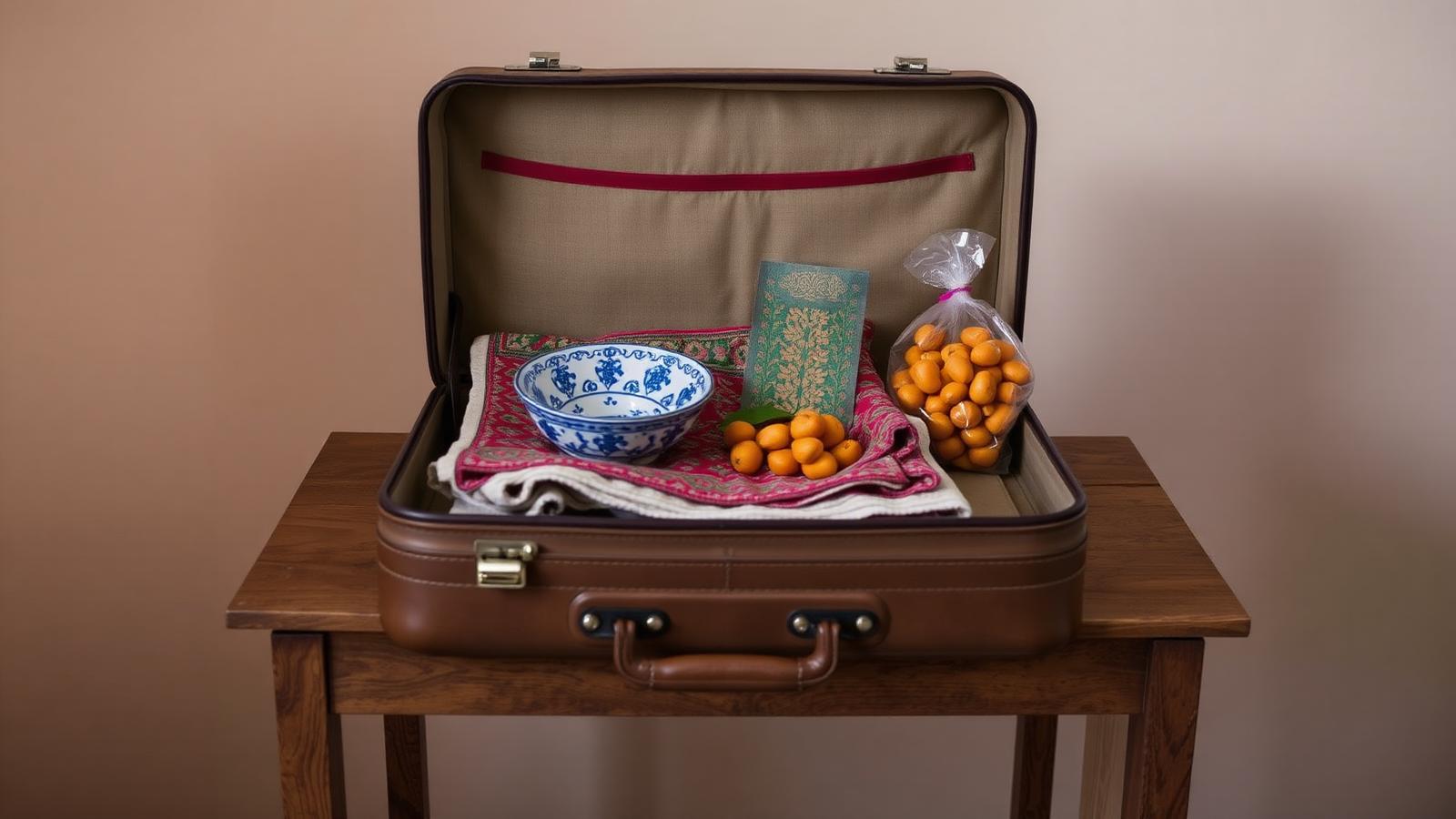
The souvenirs most likely to be confiscated at Tashkent airport are the ones travellers are proudest of. Here is what needs paperwork, what needs declaring, and what simply cannot leave.
Almost everything about entering Uzbekistan has got easier: visa-free access for most Western passports, an e-visa for the rest, and a customs hall that no longer treats every tourist as a currency smuggler. Leaving is where people still get caught out — not because the rules are harsh, but because they are unpublicised in English and involve one document most shopkeepers never mention.
The big one: cultural property and the expert certificate
Uzbekistan protects cultural heritage on export. In practice this means an item that is, or might be, of cultural or historical value needs an expert assessment (ekspertiza) and a certificate permitting export before it goes in your bag.
- Antique or old carpets and rugs — the ones dealers describe as 'fifty years', 'sixty years', 'grandmother's'.
- Antique suzani and other old embroidery, and old ikat/atlas textiles.
- Old coins, banknotes, medals, badges and Soviet militaria.
- Manuscripts, old printed books, icons and religious objects.
- Archaeological finds and anything picked up at a site. Do not pick anything up at a site.
- Antique jewellery, silver and older musical instruments.
New items — a suzani stitched last year, a modern Rishtan bowl, a factory-woven silk scarf, a new doppi cap — need nothing. The trigger is age and cultural significance, and the commonly cited threshold in practice is around fifty years, with anything genuinely old requiring assessment.
How to get the certificate
The assessment is done by the relevant culture-ministry expert body, with offices in Tashkent and, for many item types, in Samarkand and Bukhara. Practical version:
- Ask the seller, before you pay, whether the item needs an export certificate — and make them say it clearly. Reputable dealers in Bukhara and Samarkand routinely arrange the paperwork and will include it in the price or handle it for a fee.
- Budget time, not just money. Assessment is usually same-day to a few days; do not buy an antique carpet the evening before your flight.
- Keep the certificate, the receipt and the item together in hand luggage or accessible checked baggage, and expect to show them at the airport.
- If a seller waves the question away and says 'no problem, nobody checks' — that is your signal to buy something else, or to buy the modern version.
Cash and currency
Uzbekistan operates the standard declare-above-a-threshold system, and it applies both on entry and on exit.
- Small amounts of foreign currency in cash can be carried in and out without a written declaration; larger amounts must be declared in writing on the customs form.
- The commonly applied threshold in recent years has been the equivalent of USD 10,000 for a written declaration, with amounts above roughly USD 100,000 requiring a bank permit — but thresholds get revised, so check the State Customs Committee's current figure before you fly with a large sum.
- Declaring on arrival is what protects you on departure. If you bring in USD 15,000 and declare it, taking it out again is straightforward. If you do not declare it, you have a problem when you leave.
- There is no restriction on card use, and cards plus local apps cover almost everything in cities now. There is very little reason to carry large cash in 2026.
- Keep exchange receipts if you convert a large amount. They cost nothing and answer questions instantly.
Other restricted and prohibited categories
- Narcotics and psychotropic substances — including cannabis and CBD products in any form, and codeine or tramadol without documentation. Zero tolerance, criminal consequences.
- Weapons, ammunition and realistic replicas; large knives are a grey zone, so put any bought Chust knife in checked baggage with its receipt.
- Plants, seeds, cuttings, soil and untreated animal products — phytosanitary rules apply, and your destination country's rules apply too. That bag of unshelled walnuts or grape cuttings can be a problem at either end.
- Large quantities of any single item — buying twenty identical scarves looks like commercial import to a customs officer, not shopping. Keep receipts and be ready to explain.
- Drones — bringing a drone in and flying it require permission. Assume you cannot fly it, and read the drone rules properly before packing one.
Food souvenirs: usually fine, sometimes not
Dried apricots, raisins, nuts, halva, spices, tea and packaged sweets leave Uzbekistan without any issue and are the best-value souvenirs in the country. The risk is entirely on the other side: many countries restrict fresh fruit, unshelled nuts, seeds and dairy on import. Buy processed and packaged, not fresh, and check your own country's border-agency list.
At the airport: what actually happens
Departing Tashkent, you pass a customs channel before check-in or before security depending on terminal flow. Most tourists walk through the green channel with nothing to declare and are not stopped. Bags go through a scanner, and the items that draw a second look are rolled carpets, large flat textile parcels, boxes of ceramics, and anything metallic and old-looking.
- Use the red channel if you have declarable cash or a certified antique. Volunteering the paperwork takes two minutes; being found with an undeclared antique does not.
- Give yourself three hours for an international departure if you are carrying carpets or antiques.
- Be polite, produce documents, do not argue about the rule itself. Officers apply the list; they do not write it.
- Photograph your certificate and receipts. Paper gets lost between the hotel and the airport.
The short version
Buy new craft freely; buy old things only with an export certificate arranged by the seller. Declare cash above the threshold on the way in so it can leave with you. Keep drones at home, keep CBD at home, and keep food souvenirs packaged. Do that and Uzbek customs is one of the least stressful border experiences in the region.
The question that saves the trip is asked in the shop, not at the airport: 'Does this need an export certificate?'