Drinking in Uzbekistan (2026): Craft Beer, Local Brands, Cognac and the Rules Nobody Explains
· 9 min read · Food & Drink
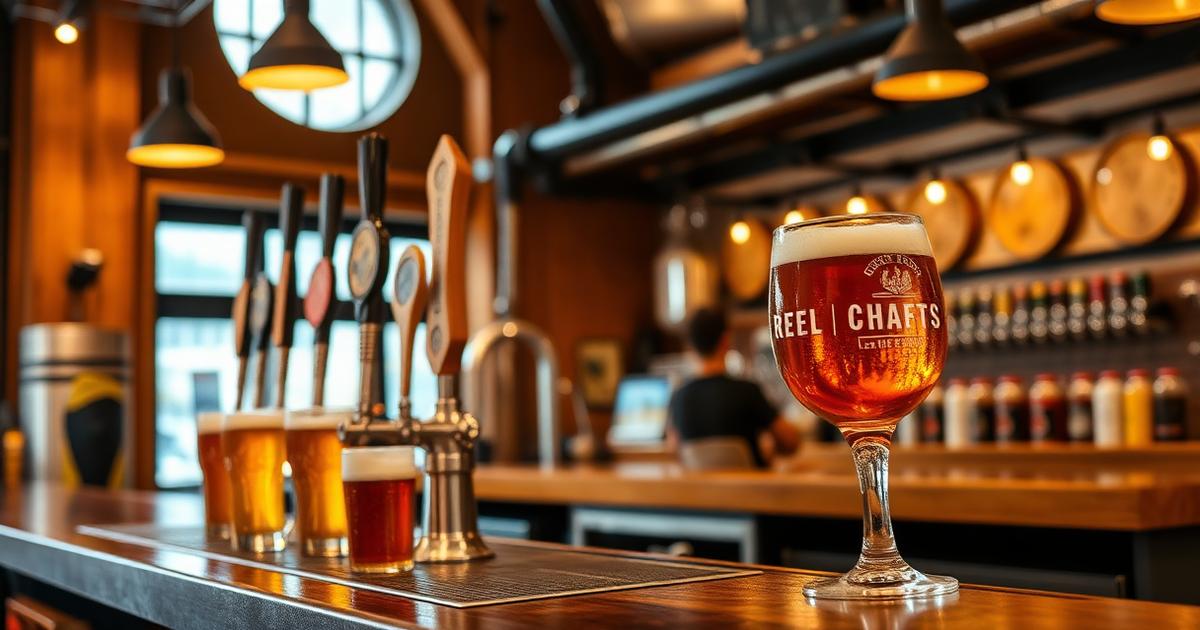
A Muslim-majority country with a Soviet drinking inheritance and a new craft beer scene. Uzbekistan's relationship with alcohol is more nuanced than either stereotype suggests.
Visitors arrive with one of two wrong assumptions: that alcohol is unavailable because Uzbekistan is a Muslim country, or that it flows freely everywhere because of the Soviet century. Neither is right. Alcohol is legal, widely sold, culturally normal in some settings and completely inappropriate in others, and in the last few years Tashkent has developed a genuine craft beer scene that would not embarrass a mid-sized European city.
The craft beer scene
Independent brewing arrived in Tashkent in the late 2010s and matured quickly. The capital now has a cluster of brewpubs and taprooms producing IPAs, wheat beers, stouts and seasonal experiments, mostly concentrated in the Yunusabad and central districts and around the newer restaurant clusters. They are the natural habitat of the young Tashkent professional class, they are usually food-focused as well as beer-focused, and they are among the easiest places in the city for a foreigner to fall into conversation.
What to expect on the taps
- A pale ale or IPA as the flagship, generally competent and sometimes very good.
- Wheat beer, which suits the climate and outsells everything in summer.
- Dark and stout options in winter, often with local honey or dried fruit added.
- Prices roughly 35,000–70,000 soum for a half litre in a Tashkent taproom — more than mass-market beer, less than Europe.
The mainstream: local beer, vodka and cognac
Outside the craft bubble, the market is dominated by large domestic breweries producing straightforward lagers sold everywhere from supermarkets to roadside kiosks, typically 12,000–25,000 soum for a bottle in a shop. Vodka remains the default spirit at celebrations, and Uzbek cognac — a Soviet-era industry that never went away, produced around Tashkent and Samarkand — is genuinely worth trying and makes a good, cheap and legally exportable souvenir. Uzbek wine is a separate and growing story with its own vineyards and tasting rooms.
Where you can and cannot drink
The practical map is simple once you know it. Restaurants with a licence, bars, hotels and supermarkets: normal. Chaikhanas and traditional teahouses: usually no alcohol at all, and asking is mildly awkward. Anywhere near a mosque, madrasa or shrine: absolutely not. Public parks and streets: drinking openly is not done and can attract police attention. During Ramadan, daytime drinking in public is deeply inappropriate even though bars still operate for tourists in the evening.
Regional differences
Tashkent is the most relaxed by a wide margin. Samarkand and Bukhara are comfortable in tourist-facing restaurants and hotels. The Fergana Valley is noticeably more conservative and alcohol is far less visible in public settings; Surxondaryo and rural areas generally likewise. This is not a legal difference but a social one, and reading the room matters more than reading the law.
Toasting: the part foreigners get wrong
If you drink at an Uzbek table, you are participating in a ritual, not just having a beverage. Toasts are given in sequence, they are speeches rather than one-liners, and they progress in a customary order — hosts, guests, parents, the occasion, absent friends. You will be asked to give one; two or three sincere sentences about gratitude and friendship are exactly right. Do not drink between toasts, do not pour your own glass if someone else's is empty, and never refuse the first toast outright if you are drinking at all.
How to decline politely
Not drinking is completely acceptable and requires no elaborate excuse. 'I do not drink' is understood and respected — many Uzbeks do not drink either, for religious reasons. Driving is an ironclad reason. What is not acceptable is turning a personal choice into commentary on other people's; the table will move on immediately if you simply take tea instead.
Buying, hours and the practicalities
- Supermarkets sell beer, wine and spirits; some restrict late-night sales, so buy before around 22:00 to be safe.
- Small local shops in residential mahallas may not stock alcohol at all — that is a community norm, not a shortage.
- Drink-driving enforcement is strict and the tolerance is effectively zero. Take a taxi; they cost almost nothing.
- Duty-free and export limits apply on the way out; a couple of bottles of cognac or wine is unproblematic.
Bottom line
Uzbekistan is an easy country to drink in and an easy country not to drink in, and both are normal. Try the Tashkent craft scene, bring home a bottle of local cognac or wine, keep alcohol out of religious spaces and conservative regions, learn one toast, and you will navigate the whole subject better than most visitors.