Working Remotely from Uzbekistan in 2026: Coworking Spaces, Internet Speeds and the Real Cost of a Month in Tashkent
· 10 min read · Practical
Fast fibre, cheap rent, a five-hour time zone offset from Europe and coffee that has quietly become excellent. Uzbekistan is a serious remote-work base in 2026 — with three specific catches.
Central Asia's remote-work conversation used to begin and end with Georgia. That has changed. Uzbekistan combines low living costs with genuinely fast urban internet, an expanding coworking scene built around the IT Park ecosystem, and a visa regime that lets most nationalities stay 30 days without paperwork. Here is what a working month actually looks like, including the parts that are annoying.
Internet reality in 2026
Fixed fibre in Tashkent commonly delivers 100–300 Mbit/s and is inexpensive. Mobile 4G is solid across cities and along main highways, with 5G live in parts of Tashkent and the larger regional centres. Upload speeds are the thing to check before you commit to video-heavy work: many residential packages are asymmetric, and a flat advertised as 'fast internet' may struggle with a full day of calls.
The catches
- Some international platforms have been intermittently restricted in the past; most people keep a reputable VPN installed as insurance rather than necessity.
- Power interruptions in older residential districts during summer peaks and winter cold snaps — a laptop plus a charged power bank rides these out, a desktop does not.
- International payment friction: getting paid is fine, but paying for foreign SaaS from a local card can be awkward. Keep a foreign card active.
Coworking spaces and what they cost
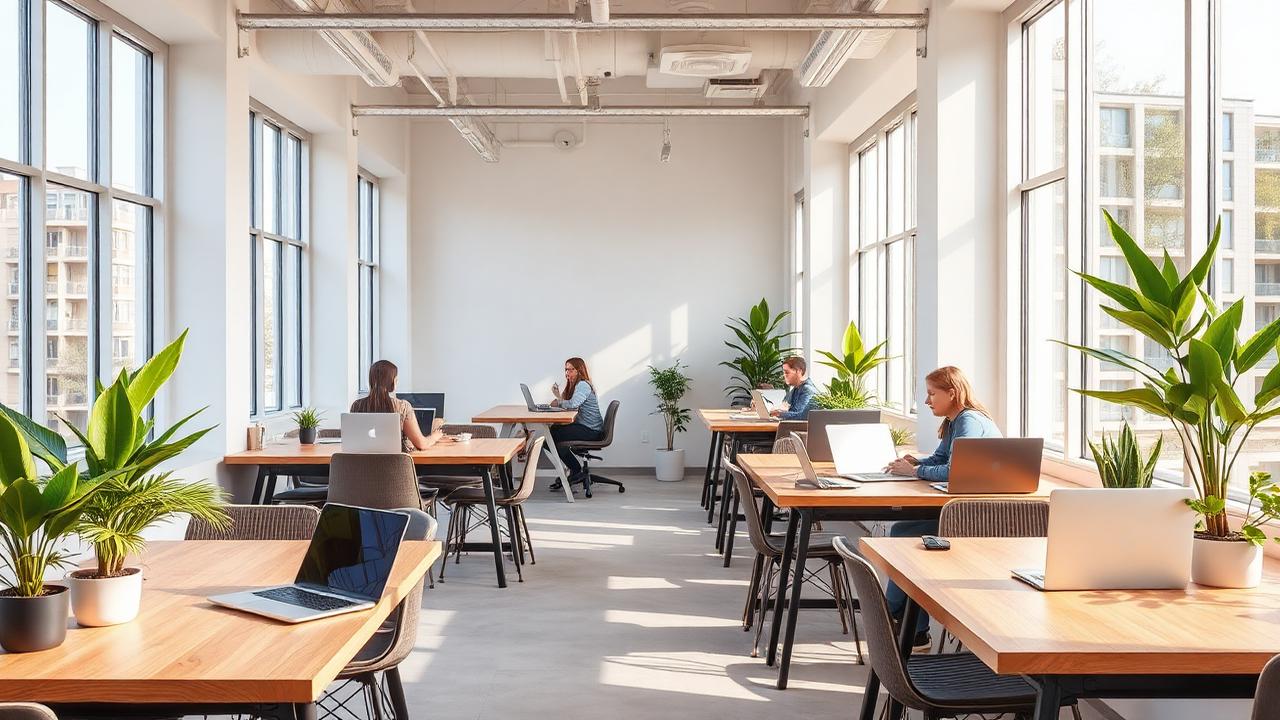
Tashkent has a spread of options from IT Park-adjacent campuses to independent boutique spaces in Yakkasaray and Mirabad. Typical 2026 pricing: a day pass around 60,000–120,000 soum, a hot-desk monthly membership around 900,000–2,000,000 soum, and private offices from roughly 3 million soum. Samarkand and Bukhara each have a small number of spaces aimed at a mix of local startups and visiting freelancers, and the quality is better than the count suggests.
Cafés that tolerate laptops
Tashkent's specialty coffee scene is the real surprise for many arrivals — third-wave roasters, competent espresso and staff who speak English. Laptop tolerance is high in the morning and low at lunch and in the evening, when tables are wanted for real customers. The unwritten rule is one drink per ninety minutes and vacate the big tables at peak. Sockets are common but not universal.
Time zones and client overlap
Uzbekistan is UTC+5 with no daylight saving. That gives a comfortable four to five hour overlap with Western Europe in the afternoon, a full working overlap with the Gulf and India, and a workable early-morning-for-them window with the US East Coast only if you work late. For European clients it is close to ideal: you get a quiet, uninterrupted morning before anyone in Berlin is awake.
Visas and staying legally
Most European, North American, East Asian and Gulf passports get 30 days visa-free. Beyond that there are e-visa options and a dedicated route aimed at IT specialists through the IT Park framework, which offers longer residence for qualifying remote workers and companies. Whatever you use, registration is the part people get wrong: every night you spend in the country must be accounted for, either by a hotel's automatic registration or by your landlord registering you.
A realistic monthly budget
- Flat, one to two rooms, central, furnished: 6–10 million soum.
- Coworking hot desk: about 1.2 million soum.
- Food, cooking sometimes and eating out often: 3–5 million soum.
- Transport, mostly taxis and metro: 700,000 soum.
- Mobile and home internet: about 300,000 soum.
- Comfortable total: roughly 1,000–1,400 US dollars a month, less if you live like a local and more if you live in Tashkent City.
Who it suits
It suits people who want a low-cost base with real city infrastructure, weekend access to mountains and Silk Road cities, and a culture where hospitality is genuine rather than transactional. It suits people who need Sunday-quiet less than they need fast fibre and cheap rent. It does not suit anyone who needs a large established international community — that exists here, but it is small, and you will get to know all of it within a month.