White Gold: How Uzbekistan Ended the Cotton Boycott — and What the Fields Look Like Now
· 10 min read · History
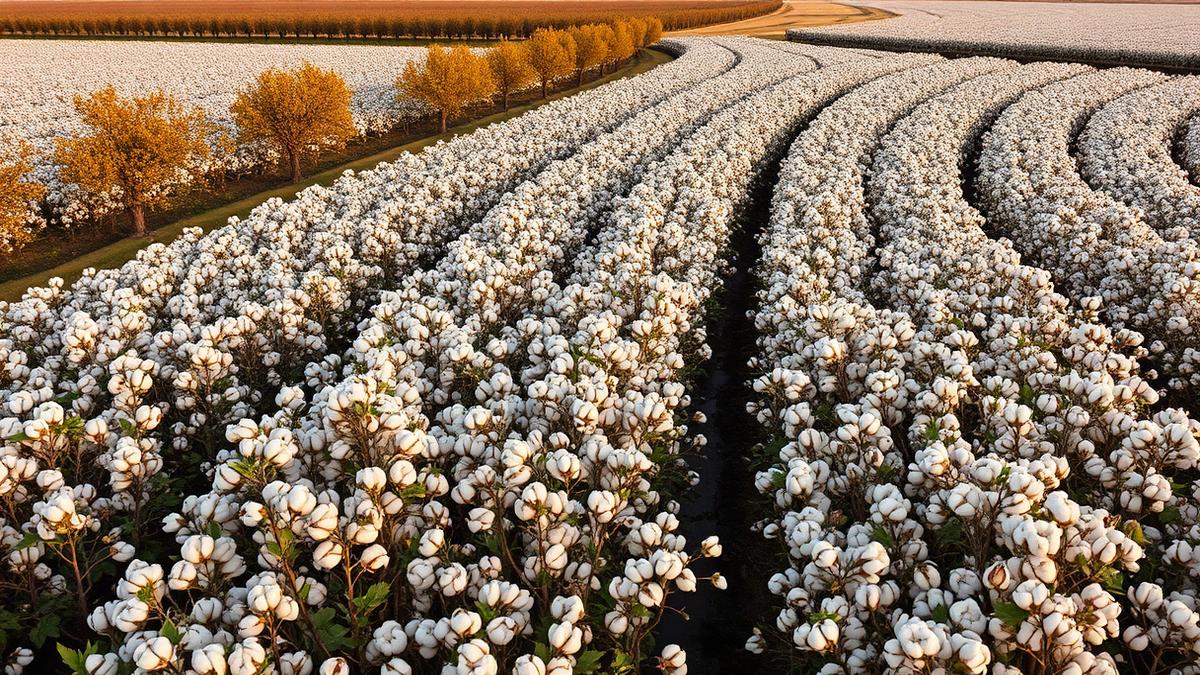
For a decade, over 300 global brands refused to buy Uzbek cotton. In 2022 the boycott ended. It is the biggest labour-rights turnaround in modern Central Asia — and you drive past the evidence on every road out of Tashkent.
Travel far in any direction from an Uzbek city and the landscape becomes the same thing repeated: irrigation canals, poplar windbreaks and cotton. Uzbeks call it oq oltin — white gold. It shaped the country's Soviet economy, drained the Aral Sea, and for years made Uzbek cotton one of the most boycotted commodities on earth. Then the boycott ended. This is the honest version of that story, because it is the single most important thing to understand about the countryside you are driving through.
How cotton took over Uzbekistan
Under Soviet planning, Central Asia was assigned cotton monoculture. Enormous canals were cut from the Amu Darya and Syr Darya to irrigate desert into plantation. Production targets were political, not agronomic. The result was two catastrophes at once: the rivers that fed the Aral Sea were drained until the sea largely disappeared, and rural labour was organised around meeting a quota rather than a market.
The forced-labour system and the boycott
After independence the quota system survived. Every autumn, local officials were held responsible for hitting harvest targets, and the labour came from mobilising public-sector workers — teachers, nurses, students — plus, in the worst years, children. International monitoring documented it repeatedly. In response, a coalition of brands and retailers signed a pledge not to knowingly source Uzbek cotton; at its peak more than 300 companies had signed.
What forced the change
- Sustained international monitoring produced evidence that could not be dismissed as isolated cases.
- The boycott hit exactly where it hurt — Uzbekistan wanted to move up the value chain from raw cotton to finished textiles, which requires brand buyers.
- Post-2016 political reform made engagement with international labour organisations possible.
- The state began dismantling the quota and mobilisation system and privatising production into agro-clusters.
The 2022 turning point
After independent monitoring found that systematic state-organised forced and child labour in the cotton harvest had ended, the international boycott coalition lifted the pledge in March 2022. It was an extraordinary reversal: a country that had been a byword for forced labour in the fields became the standard example of a boycott that achieved its goal.
The Aral Sea shows what cotton cost the environment. The end of the boycott shows what a decade of pressure can change.
What did not change
Ending state-organised mobilisation is not the same as a healthy labour market. Monitoring since 2022 has continued to flag problems: local officials exceeding their authority, low picking rates, weak grievance mechanisms and the risks that come with the new agro-cluster system, where a single private company controls land, inputs and prices for the farmers around it. Water remains the deeper unsolved problem — cotton is thirsty, and the region does not have the water it once had.
What travelers actually see
- Harvest season runs roughly September to November. Fields fill with pickers, huge white sacks line the roadsides, and trucks pile cotton three metres high.
- Cotton-picking machines are increasingly visible — a direct consequence of losing the free mobilised labour force.
- Roadside stalls sell melons, grapes and pomegranates through the same weeks; harvest season is the best food season in the country.
- The cotton motif is everywhere in design: metro stations, ceilings, textiles, banknotes, the national emblem.
- The Aral Sea and Muynak, a long trip north from Nukus, is where the consequence is physically visible.
Photography and etiquette
Photographing fields from the road is fine. Photographing individual workers without asking is not — this is a sensitive subject and people know exactly why foreigners point cameras at cotton. Ask, smile, and expect to be invited to tea rather than refused.
Buying Uzbek textiles with a clear conscience in 2026
- Handwoven silk and ikat from Margilan is a separate industry from industrial cotton and directly supports craft workshops.
- Domestic cotton brands now export legally; the boycott no longer applies.
- Buy from workshops and cooperatives where you can see production rather than from anonymous bulk stalls.
Honest verdict
This is not a story with a bow on it. Uzbekistan dismantled one of the world's largest state forced-labour systems in under a decade, which deserves to be said plainly; it also still has an economy built on a crop its rivers cannot really support. Knowing both makes the drive between cities one of the most interesting parts of the trip.