How Uzbekistan Became a Chess Superpower: The Teenagers Who Beat the World (2026)
· 9 min read · Culture
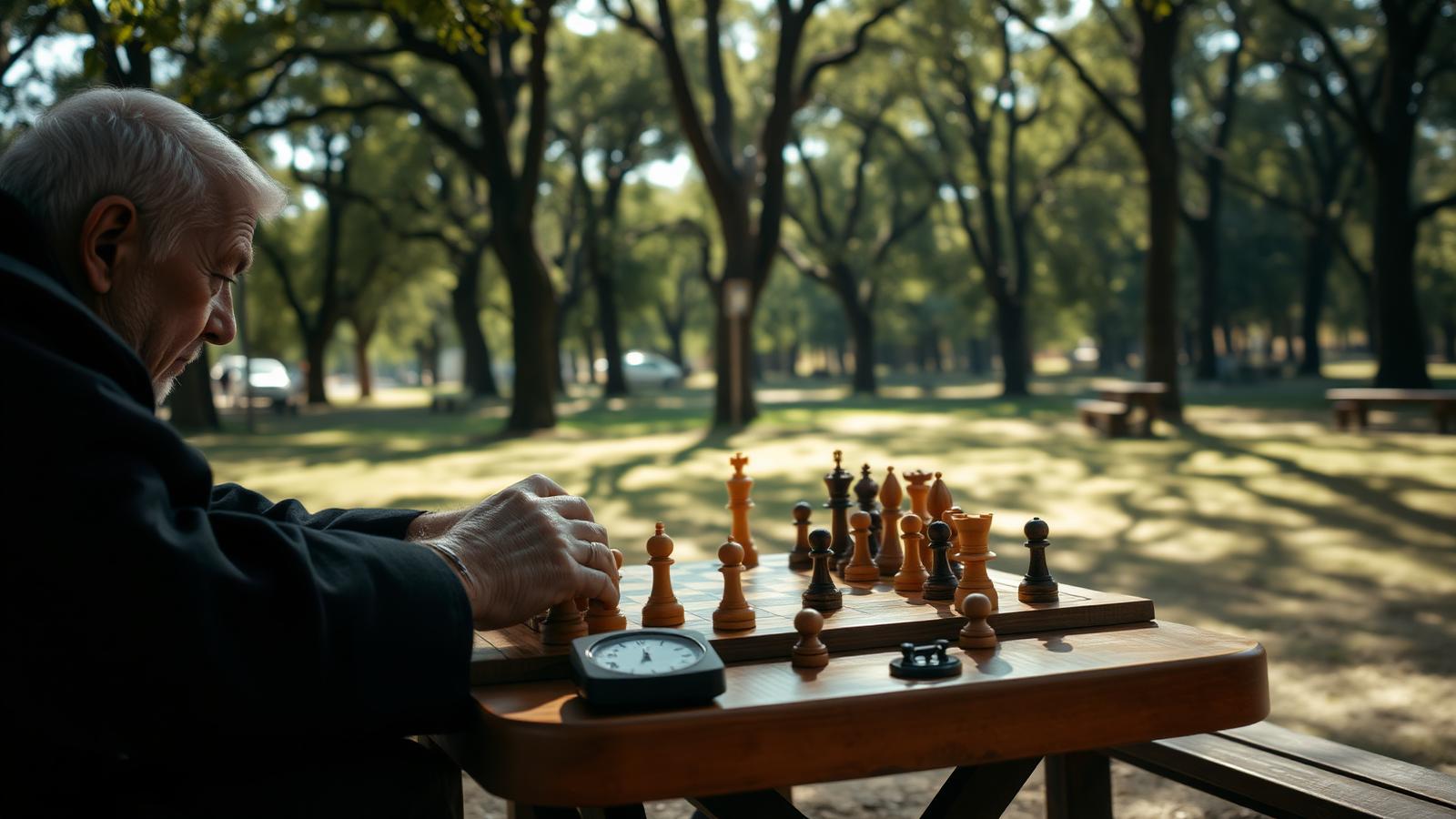
A team whose average age was barely out of school walked into the Chess Olympiad and walked out with gold ahead of every traditional superpower. Uzbekistan's chess boom is the least-reported sports story in Central Asia — here's how it happened, and where you can play a game yourself.
Ask most people to name a chess country and they will say Russia, the United States, India, or Norway. Almost nobody says Uzbekistan. Yet in the last few years an Uzbek team with an average age closer to a school leaving class than a professional squad won team gold at the Chess Olympiad, and Uzbek players have kept turning up in the late rounds of elite events ever since. This is the story behind that, and how a traveller can plug into it on the ground in 2026.
The result that changed the map
Uzbekistan's open team took Olympiad gold with a squad built almost entirely of players in their teens and very early twenties, beating fields that included every historical chess power. It was not a fluke run in one event: those same players have since posted results in rapid and blitz world championships, in national leagues across Europe, and in the elite invitational circuit.
The name to know: Nodirbek Abdusattorov
Uzbekistan's number one became a grandmaster as a child, won a world rapid title as a teenager while beating reigning world champions along the way, and has spent the years since inside the world top group. He plays fast, sharp, and with an almost rude confidence against much older opponents. If you follow one Uzbek player, follow him.
It is a team, not one prodigy
The depth is the real story. Uzbekistan has a cluster of grandmasters born within a few years of each other — including Nodirbek Yakubboev, Javokhir Sindarov and Shamsiddin Vokhidov — who trained together, travelled together, and pushed each other's ratings up in parallel. Countries usually produce one prodigy per generation. Uzbekistan produced a class.
Why here? Four honest reasons
1. A Soviet training system that never got dismantled
Uzbekistan inherited the Soviet sports-school model: free specialist children's schools, salaried coaches, ranked youth tournaments, and a route from a district club to a national squad. Many post-Soviet states let that structure rot in the 1990s. In Uzbekistan chess survived because it is cheap — a board, a clock, and a coach cost almost nothing compared with a swimming pool.
2. State backing that is unusually direct
Chess is treated as a prestige sport with government and federation funding: travel budgets for junior events abroad, coaching contracts, apartments and bonuses for medallists, and chess written into school activity programmes. When a country's leadership decides a sport is a national brand, results follow within a decade.
3. A young country
The median age in Uzbekistan is in the twenties. There are simply enormous numbers of children in the system relative to the population, and a talent funnel works on volume before it works on genius.
4. Online chess arrived at exactly the right time
Cheap mobile data, cheap smartphones and free engines meant an ambitious kid in Fergana could get thousands of rated games and engine analysis without a single flight. The Uzbek generation that won Olympiad gold is the first one that grew up training online at global level from a provincial city.
Chess is the one arena where a country with no oil money advantage can beat everyone, because the only input that matters is children and coaches.
Where travellers can actually play chess in Uzbekistan
- Tashkent parks: benches around Amir Timur Square and the older park pavilions host informal games, mostly among retirees, mostly with a clock. Sit down and gesture at the board — you will be waved in.
- Chess clubs and children's chess schools in Tashkent run open evenings; the national federation and city clubs are the fastest way to find a rated event while you are in town.
- Choyxonas (teahouses) in smaller cities often have boards behind the counter alongside backgammon and cards. Ask for shaxmat.
- University campuses in Tashkent and Samarkand have student clubs that welcome visitors, and English is common among students.
Two words that will get you a game
Shaxmat is chess in Uzbek. Yurish is a move. If you want to be understood instantly, point at the board and say 'bir partiya?' — one game?
Etiquette at the board here
- Handshake before and after. Skipping it reads as rude, not competitive.
- Expect an audience. Uzbek street chess is a spectator sport and kibitzing is normal.
- Tea will appear. Accepting it is part of the game.
- Money games exist but are informal; if you do not want to play for stakes, say so before the first move, not after you lose.
What to watch in 2026
The generation that won gold is now in its playing prime rather than its prodigy phase, and the junior pipeline behind them is deeper than it was five years ago. The realistic ambitions being talked about inside the country are individual world-championship qualification and repeat team medals — not participation.
Honest verdict
Uzbekistan's chess rise is a genuine, verifiable national success story that most travel writing about the country completely ignores in favour of tiles and plov. If you play chess even casually, bring that up in conversation here — you will get a warmer reaction than any compliment about architecture.