Uzbekistan Went Cashless and Nobody Told Tourists: Payme, Click, Uzum & QR Codes (2026)
· 9 min read · Money
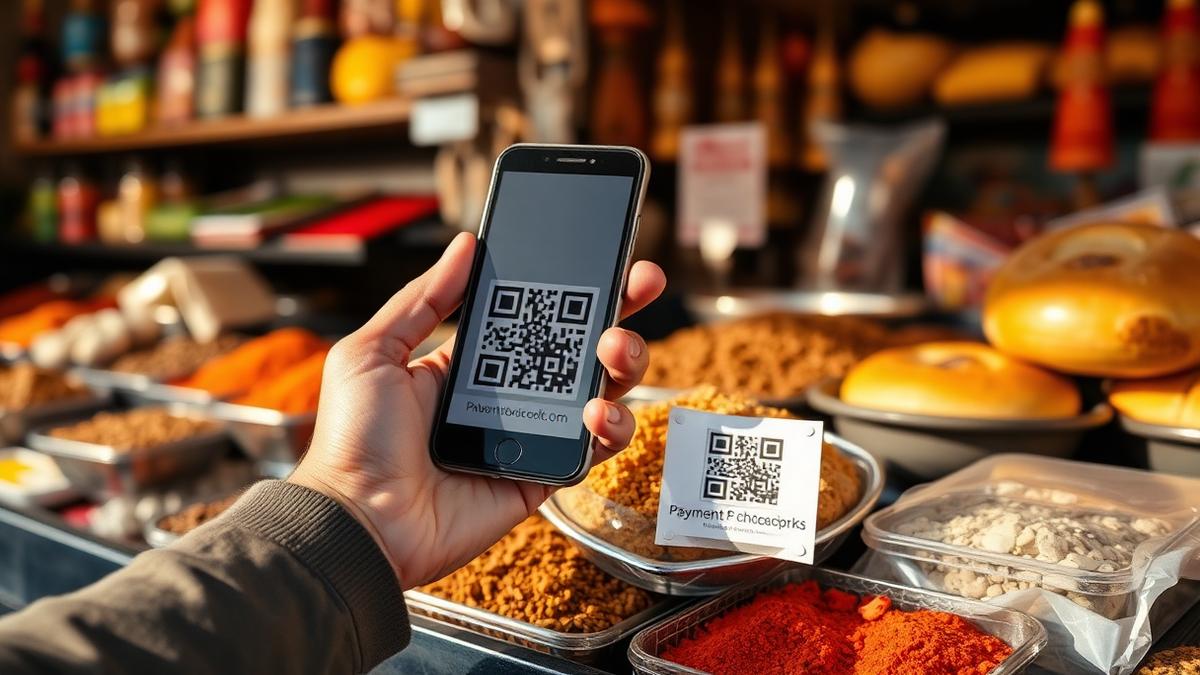
The old advice was 'bring a brick of cash to Uzbekistan'. In 2026 that advice is half wrong — the taxi driver, the samsa stand and the guy selling melons all want you to scan a QR code, and your foreign Visa card cannot do it.
Every guidebook still tells you Uzbekistan is a cash country. It was — until roughly 2021. Since then the country has gone through one of the fastest payment revolutions in Asia, and the visible sign of it is the small laminated QR square taped to every counter, dashboard, samsa oven and bazaar stall in the country. Locals almost never carry cash any more. Tourists still do, and end up in the strange position of being the least equipped person in the queue.
What actually happened to money in Uzbekistan
Uzbekistan runs two domestic card networks, Uzcard and Humo, which almost every citizen has. On top of them sit mobile wallets — Payme (owned by Uzum), Click, Uzum Bank, Alif and a few smaller ones. These apps do everything: pay merchants by QR, split a bill, top up a phone, pay a utility bill, buy a train ticket, transfer money by card number in seconds with no fee. Card-to-card transfer culture is so strong that many small businesses will simply say a card number out loud instead of showing a terminal.
- Uzcard and Humo — the two domestic card rails; foreign cards do not run on them.
- Payme, Click, Uzum Bank — the three wallets you will see everywhere, in that rough order of prevalence.
- QR at the counter is now more common than a physical POS terminal in small businesses.
- Cash has not died: bazaars, rural taxis, tips and small villages still expect Uzbek som notes.
What your foreign Visa or Mastercard can do in 2026
It works
- Mid-range and upmarket hotels, chain restaurants, malls (Samarqand Darvoza, Compass, Tashkent City Mall), supermarkets (Korzinka, Makro), Wildberries pickup points.
- ATMs of Kapitalbank, Ipoteka Bank, TBC, Hamkorbank and Asia Alliance — most dispense both som and USD.
- International hotel bookings and airline sites.
It does not work
- Scanning a local merchant QR code. This is the big one — foreign Visa/Mastercard cannot fund a Payme or Click QR payment.
- Yandex Go in-app card payment sometimes rejects foreign cards; choose cash or link a local card.
- Buying train tickets on the Uzbekistan Railways site — foreign cards frequently fail; use an agency or the station.
- Most bazaar stalls, street food, neighbourhood cafés, barbers, and anything with a handwritten price.
You can eat in Tashkent for a week on a Visa card. You cannot eat well in Tashkent for a week on a Visa card.
The three ways tourists actually solve this
1. Cash plus a card (easiest, zero setup)
Bring USD or EUR in clean, untorn notes, exchange at a bank or a licensed exchange counter (never on the street — see our scams guide), and keep 300,000–500,000 som on you for daily spending. Use your Visa for hotels and big restaurants. This works fine for a one- or two-week trip and requires nothing.
2. Get a local card as a tourist (best if you stay 10+ days)
Foreigners can open an account and get a Humo or Uzcard debit card. Kapitalbank, Ipoteka Bank, TBC Uzbekistan and Anorbank are the ones that regularly do it for tourists. Bring your passport and, for some banks, your registration slip from the hotel. It usually takes 20–60 minutes and either issues instantly or in 1–3 days. You then top it up in cash at a bank cash desk or ATM and link it inside Payme or Click.
3. Ask a trusted local to pay and reimburse them in cash
Not elegant, but genuinely what most short-stay visitors end up doing at least once — for a train ticket, a concert ticket or a delivery order. Uzbeks do this constantly among themselves and nobody finds it odd.
Practical rules for the QR world
- Always ask 'naqd bo'ladimi?' — 'is cash okay?'. The answer is nearly always yes, even where a QR is displayed.
- Keep small notes. Nobody at a bazaar can break a 200,000 som note at 8 a.m.
- Uzum Bank has the widest merchant coverage; Payme is the most common consumer wallet; Click is strong for bills and transport.
- Yandex Go, Uklon and MyTaxi all accept cash — just select it before confirming the ride.
- ATM withdrawal limits are often 2–5 million som per transaction; withdrawal fees vary from 0% to 1.5%.
- Currency is the Uzbek som (UZS). Roughly 11,700–12,100 UZS to 1 USD in August 2026 — rates move, so always check a live rate before budgeting (last updated 26 August 2026).
- Keep your exchange receipt if you plan to convert som back at the airport.
Tipping in a cashless country
Restaurants often add a 10–15% service charge (xizmat haqi) automatically — check the bill before tipping again. For taxis, round up. For guides and drivers, cash in som or USD is still preferred and always welcome.
Honest verdict
Uzbekistan is now a hybrid: card-and-QR for locals, cash-and-card for tourists. If you plan a normal two-week Silk Road trip, cash plus a Visa card is completely fine. If you are staying longer, working remotely, or want to use delivery apps, marketplaces and train booking without friction, spend one morning getting a local Humo card — it changes the whole experience.