Uzbekistan's Cable Cars in 2026: Every Ropeway Worth Riding, From Amirsoy to the Desert Fortresses
· 9 min read · Nature
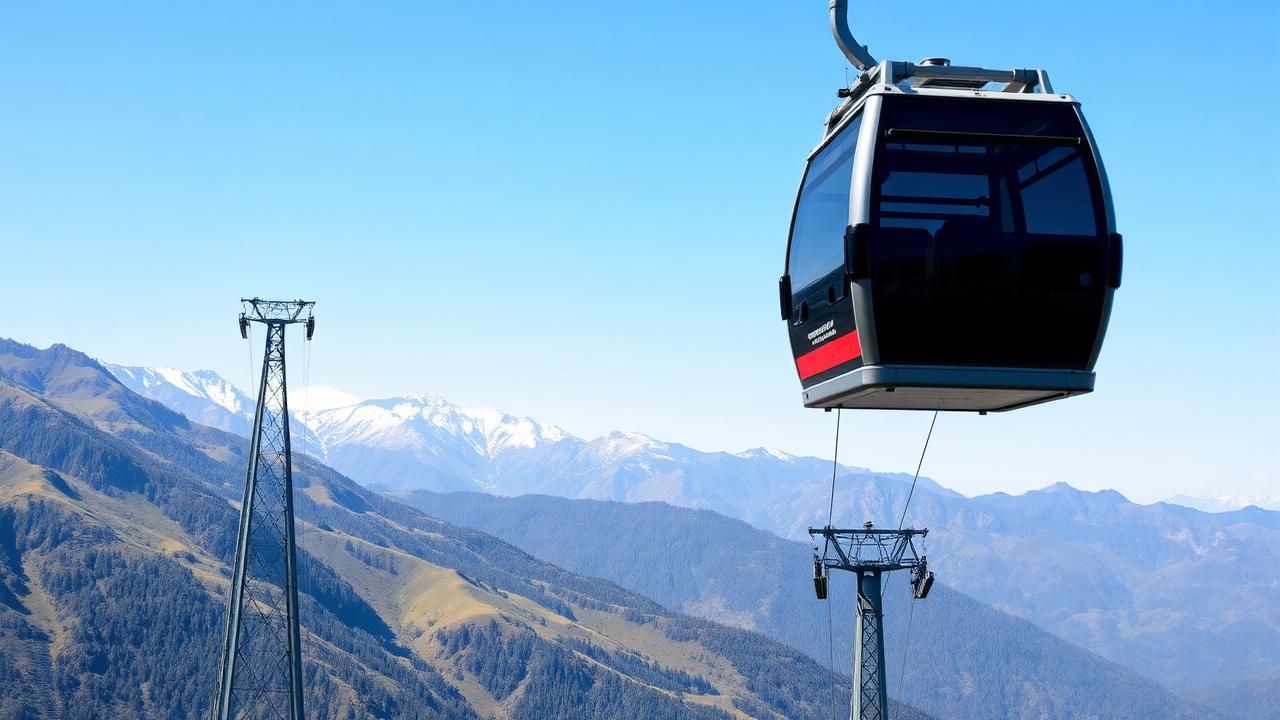
Uzbekistan has quietly built one of the densest clusters of mountain lifts in Central Asia — and most of them run in summer, when the ski marketing goes quiet and nobody thinks to look.
The Tashkent mountains sit ninety minutes from the capital and have been getting steady lift investment for years. The result in 2026 is a set of gondolas and chairlifts that a visitor can ride without any skiing at all, and a growing habit among Tashkent residents of treating the mountains as a summer escape rather than a winter one. Here is what actually runs, and when.
Amirsoy: the modern one
Amirsoy is the most developed resort in the country, with detachable gondolas, groomed runs in winter and a summer programme of hiking, downhill cycling and a mountain coaster. The main gondola runs most of the year and takes you from the base village up to a ridge with a genuinely wide view over the Chatkal range. Tickets are sold as single rides or day passes; card payment works at the base, which cannot be said everywhere in the mountains.
Summer versus winter
- Winter, December to March: lifts full, prices highest, book weekends ahead.
- Spring, April to May: green slopes, wildflowers, cheapest tickets, some lifts on reduced schedules.
- Summer, June to August: the best reason to go — it is ten to fifteen degrees cooler than Tashkent at the top.
- Autumn, September to November: clearest air of the year and the best photography.
Chimgan and Beldersay: the older, rawer option
Chimgan's chairlift is the veteran of Uzbek mountain tourism — an old-style open chair that climbs slowly over meadow and rock, with no safety bar culture and a view that more than compensates. Beldersay's long lift climbs towards Kumbel peak and is the serious one, both in length and in exposure. Neither is polished. Both are memorable, cheap, and far more atmospheric than the new resort. Ride them with a jacket even in July; the wind at the top is real.
Charvak and the lake lifts
The Charvak reservoir strip has smaller resort lifts and viewpoints that pair well with a swim day. This is where domestic weekend tourism concentrates in summer, which means the drive back to Tashkent on a Sunday evening is slow. Go on a weekday or stay the night at one of the lakeside hotels.
What it costs and how to pay
Single rides at the older lifts remain very cheap in soum; modern resort day passes are several times that but still low by European standards. Bring cash for the older installations, where card terminals are inconsistent and mobile signal at the base can be poor enough that a payment app fails. Children's rates exist everywhere and are rarely advertised in English — ask.
Comfort and safety notes
- Altitude at the top stations reaches roughly 2,200–3,000 m; it is cold and the sun is strong at the same time.
- Open chairlifts stop in high wind, sometimes mid-ride, which is normal.
- There is little shade at the summit stations — sunscreen matters more than a jacket in June.
- Mobile coverage is patchy above the base; download offline maps before you go up.
Getting there without a car
A Yandex Go from Tashkent to the Chimgan area is affordable one way but leaves you stranded at the top of the day. Most people negotiate a return fare with a driver for the whole day, which usually works out cheaper than two separate rides plus the wait. Shared minibuses run from Buyuk Ipak Yoli in the morning and thin out badly by late afternoon.
Worth it?
For a first-time visitor doing Samarkand and Bukhara, a mountain day is the single best contrast you can add to the itinerary — proof that Uzbekistan is not only desert and monuments. For residents, the lifts have turned the Tashkent mountains into a year-round destination rather than a three-month ski season.