How Uzbekistan Became a Boxing Superpower — And Where the Fighters Actually Train
· 9 min read · Sport & Culture
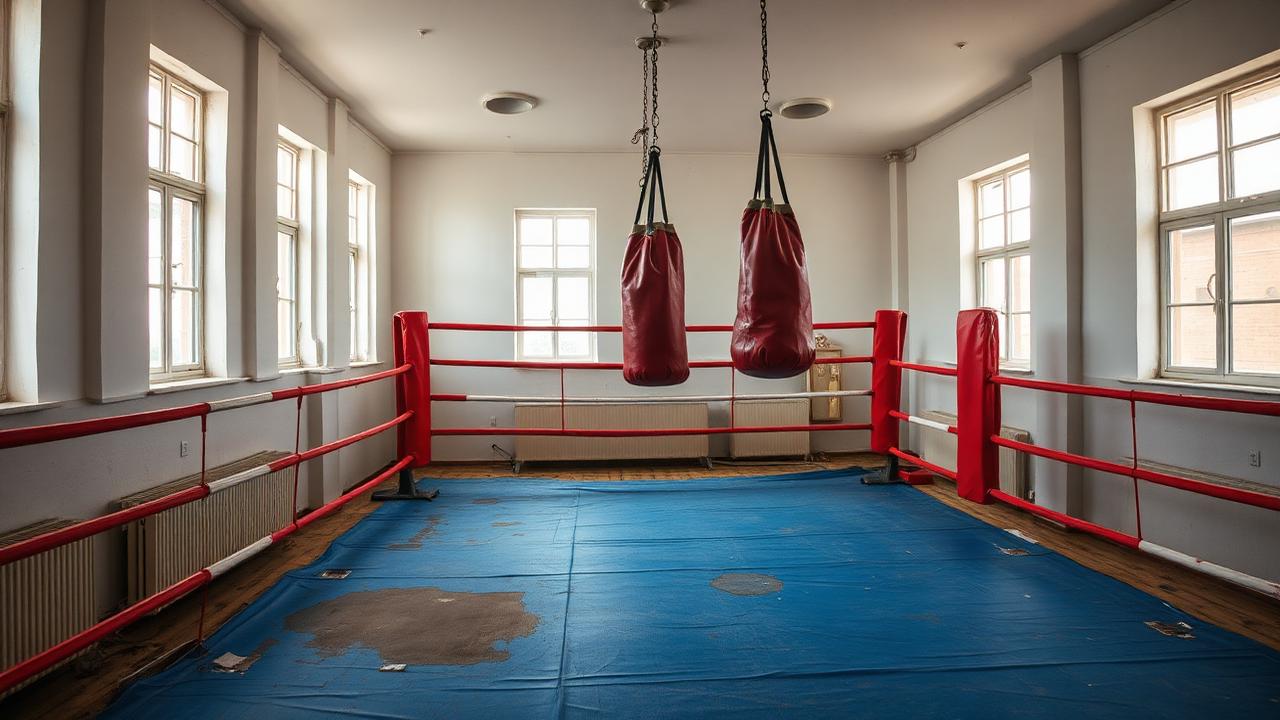
Uzbekistan's amateur boxers swept the men's Olympic classes in Paris 2024 — the strongest single-nation performance the sport had seen in decades. That result was not luck. It was a school system.
For most visitors, Uzbekistan means Registan and plov. For anyone who follows combat sport, it means something else entirely: the country that turned amateur boxing into a national production line. At Paris 2024 Uzbek men won all five weight classes contested, and the pipeline behind that has kept producing champions into 2026.
Why a country of 37 million out-boxes far bigger nations
The answer is structural rather than mystical. Boxing sits inside a state-supported sport school system inherited from the Soviet era and then rebuilt with modern funding. Talented children are identified in regional sport schools, moved into specialised academies, and coached full time long before they turn professional.
- Regional sport schools in every province feed a national selection ladder.
- Coaches are salaried career professionals, not weekend volunteers.
- Winning an Olympic or world medal brings serious prize money, housing and status.
- Wrestling and kurash traditions give a huge base of children already comfortable with contact sport.
- Uzbek boxing style favours volume, footwork and points discipline — exactly what amateur scoring rewards.
The regions that produce fighters
Fergana Valley towns, Tashkent's outer districts, Andijan, Namangan and Karakalpakstan all punch above their population. Boxing is a realistic route out of a modest household income, and families treat it the way other countries treat football academies.
Amateur versus professional
Uzbekistan's strength is overwhelmingly in the amateur/Olympic format. A growing number of fighters now cross into the professional circuit, but the domestic system is still built around national team selection, not promoter contracts. If you are watching in Uzbekistan, expect headguard-free amateur rules, three rounds and computerised scoring.
Can a traveller see this up close?
- National and regional championships are held through the year in Tashkent and provincial arenas; tickets are cheap or free.
- The Uzbekistan Boxing Federation and local sport committees publish schedules on social channels — ask your hotel to check the Uzbek-language listing.
- Many city gyms accept drop-in training for a small fee if you ask politely and in advance.
- Kurash and wrestling tournaments often run at the same venues and are just as worth seeing.
Etiquette inside a gym
Ask the head coach before filming. Do not photograph children without a parent's consent. Bring your own wraps and mouthguard. Greet the room — in Uzbek gyms the collective greeting matters more than your record.
The honest caveats
The same system that produces medals also produces pressure: early specialisation, heavy weight cutting for teenagers and limited alternatives for athletes who do not make the national squad. Uzbek sport journalists discuss this openly, and any honest account of the success should include it.
Honest verdict
Uzbekistan's boxing dominance is the most underreported sports story in Central Asia. If you are in Tashkent when a national tournament is on, it is a better window into the country than any curated cultural show.