Uzbek Som in 2026: Banknotes, ATMs, Card Limits and How Much Cash You Actually Need
· 9 min read · Practical
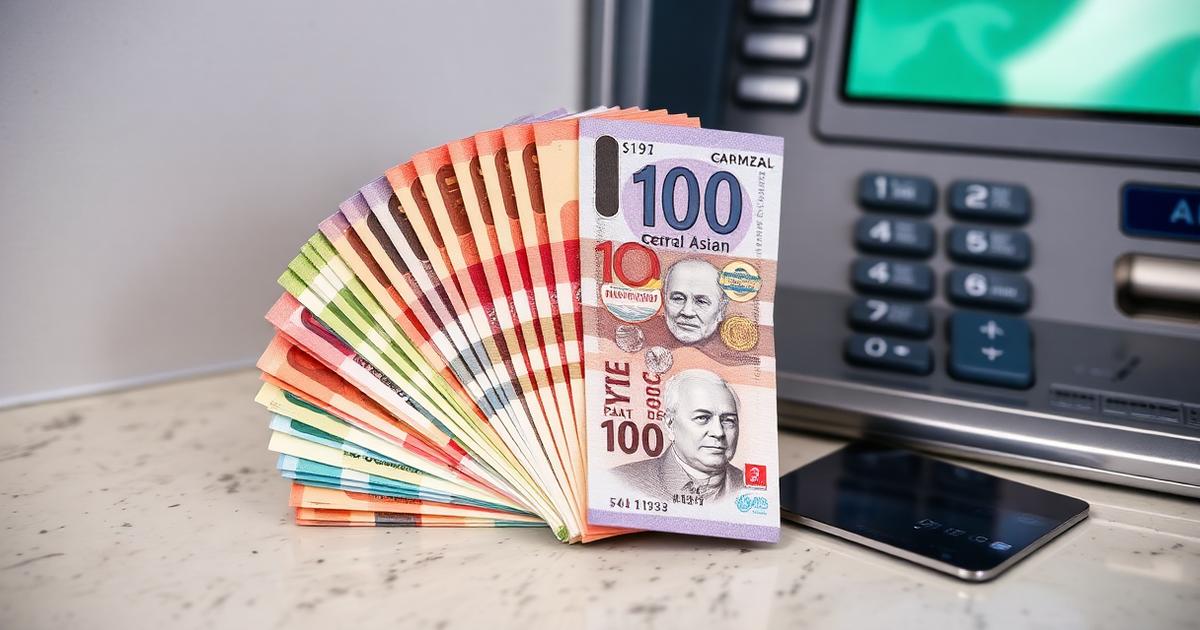
Uzbekistan went cashless faster than almost anywhere in the region — and then kept a cash economy running underneath it. Here is exactly how money works for a visitor in 2026.
Money is the area where visitors' expectations of Uzbekistan are most often five years out of date. The country of enormous bricks of low-denomination notes is gone; QR payment is ubiquitous in the capital; and yet there are still situations every single day where only cash works and a foreign card is useless. Getting this right removes most of the friction from a trip.
The banknotes in circulation
The som (UZS) circulates in a modern series topped by the 200,000 and 100,000 notes, with 50,000, 20,000, 10,000, 5,000, 2,000 and 1,000 below them, plus coins that almost nobody uses. The high denominations solved the old suitcase-of-cash problem, but they create a new one: taxi drivers, bazaar sellers and small shops frequently cannot change a 200,000 note. Break large notes at supermarkets and chain cafés and hoard the 10,000s and 20,000s, which are the real working currency of daily life.
Exchange rate context for 2026
The som has trended gradually weaker against the dollar for years and in 2026 sits around the twelve-thousand-per-dollar mark. Rates move, so check a live figure before you convert mentally, and be aware that a price quoted in dollars — common for hotels, drivers and long-term rentals — will be settled in som at the day's rate.
ATMs: the honest picture
ATMs accepting foreign Visa and Mastercard are common in Tashkent, adequate in Samarkand and Bukhara, thin in Khiva and unreliable in Nukus and smaller towns. Machines inside bank branches and larger hotels are the most dependable; standalone street machines are the most likely to be out of cash, especially on weekends and around public holidays.
- Per-transaction withdrawal limits are typically in the range of 1–2 million soum, sometimes lower on street machines.
- Local ATM fees plus your home bank's foreign-withdrawal fee mean small, frequent withdrawals are expensive — take larger amounts less often.
- Always decline dynamic currency conversion. 'Charge me in som' is always the cheaper answer.
- Some machines dispense US dollars as well as som; dollar dispensing is more restricted and often requires a branch.
- Withdraw before leaving for Karakalpakstan, the Aral Sea, Nuratau or any multi-day desert leg.
Cash versus card versus QR
Three payment worlds coexist. Cards — including foreign ones — work in hotels, supermarkets, malls, chain restaurants and most Tashkent cafés. QR payment through the local apps Payme, Click and Uzum is what locals actually use and generally requires a local card or account, so as a visitor you will mostly watch it happen rather than use it. Cash rules everywhere else: bazaars, most taxis, small chaikhanas, entry fees at minor sites, tips, and anything in a village.
Where foreign cards fail
- Yandex Go and Bolt: linking a foreign card is possible but often fails; carrying cash for taxis is far simpler.
- Bazaars and flea markets: effectively cash-only regardless of any sticker on the stall.
- Small museum and site entry fees outside the main cities.
- Intercity shared taxis and minibuses.
- Rural guesthouses and yurt camps, which usually want cash on arrival or departure.
Changing money
Official exchange at banks and licensed exchange booths is straightforward, uses the posted rate and requires your passport for larger amounts. The old black market has largely disappeared since the currency was liberalised, and anyone offering a dramatically better rate on the street should be avoided outright — it is the setup for a short-change scam rather than a bargain. Bring clean, unmarked, recent-series US dollars or euros if you plan to change cash; damaged or old notes are refused or discounted.
How much cash to carry
- Tashkent, hotel-based, restaurant-heavy trip: 300,000–500,000 soum a day in cash is comfortable, with cards for the rest.
- Samarkand, Bukhara, Khiva on a mid-range budget: 500,000–800,000 soum a day covers taxis, entry fees, lunches and shopping.
- Multi-day desert, Aral Sea or mountain homestay legs: carry the entire budget for the leg in cash, plus a margin.
- Keep a small emergency reserve in US dollars, which is universally accepted for informal exchange in a pinch.
Customs and taking money out
There are declaration thresholds for bringing large amounts of cash into and out of Uzbekistan. Ordinary tourist sums are irrelevant to this, but if you are carrying the equivalent of several thousand dollars, check the current threshold and declare properly on arrival — declaring on the way in is what protects you on the way out.
Bottom line
Bring a Visa or Mastercard for hotels and supermarkets, withdraw in large chunks from bank-branch ATMs in the big cities, keep a working float of 10,000 and 20,000 notes for taxis and bazaars, and never leave for a rural leg without enough cash for all of it. Do that and money in Uzbekistan is genuinely easy.