Uzbek Manti: The Complete Guide to Central Asia's Steamed Dumpling (2026)
· 11 min read · Food
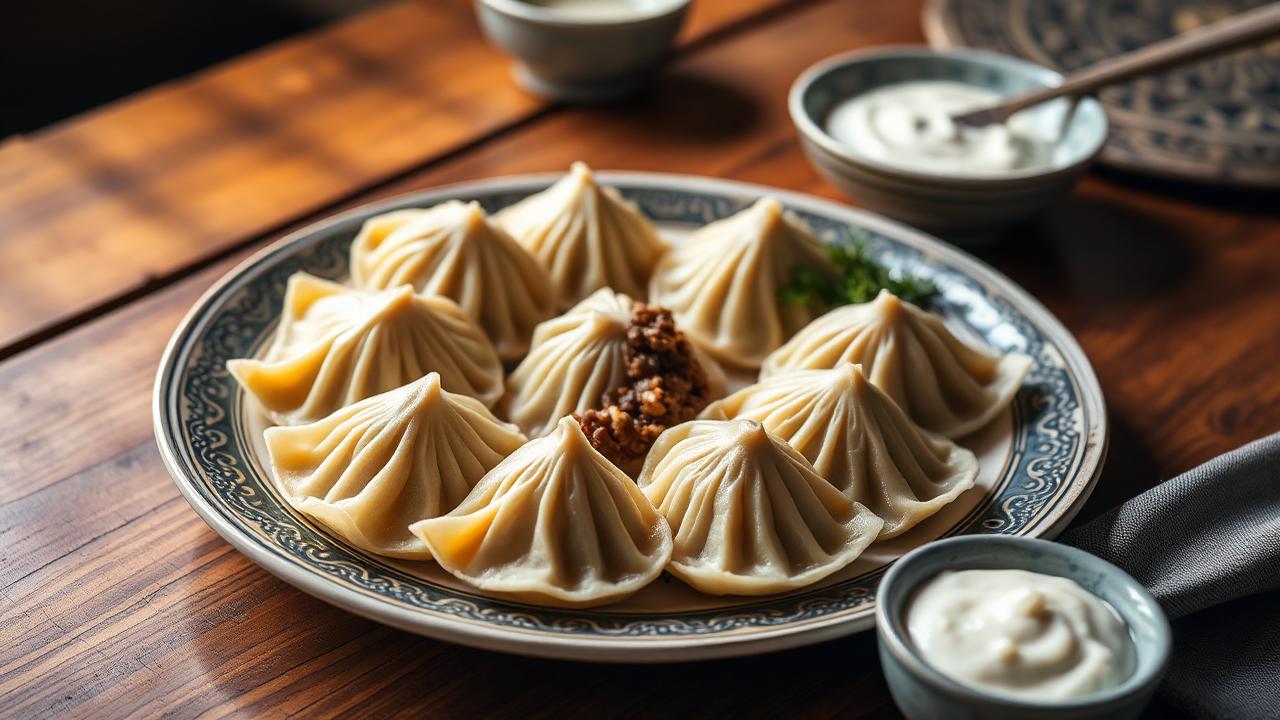
Bigger than chuchvara, juicier than pelmeni, and steamed in a four-tier kaskon — Uzbek manti is the dumpling Central Asia perfected. Here's the complete 2026 guide.
If plov is Uzbekistan's national dish, manti is its national comfort food. Every Uzbek grandmother has her own manti recipe, every region has its own filling, and every kaskon (the four-tiered steamer) hides a small ritual. This is the complete 2026 guide to Uzbek manti — what it is, the regional varieties, where to eat it, and how to spot a great plate from a bad one.
What is manti?
Manti (also written as manty, мантi, манты) are large steamed dumplings made from a thin unleavened wheat dough wrapped around a filling — most often minced lamb and onion. They are steamed for 35–45 minutes in a kaskon (a stacked steamer with perforated trays), then served with a generous dollop of suzma (strained yogurt) or sour cream, freshly cracked black pepper, and sometimes a chili-tomato sauce.
Manti are NOT boiled like Russian pelmeni or chuchvara. The steaming is what gives them their unique texture: thin chewy dough on top, soft and translucent underneath, holding a pool of meaty broth that explodes in your mouth on first bite. That broth is the test of a good manti — if it's dry, the cook failed.
Manti vs chuchvara vs pelmeni — know the difference
- Manti: large (8–10 cm), steamed, lamb-onion or pumpkin filling, served with suzma. Eaten with hands.
- Chuchvara: small (2–3 cm), boiled in broth, beef or lamb filling, served in soup or with vinegar. Eaten with spoon.
- Pelmeni: Russian, small, boiled, mixed meat, served with butter and sour cream.
- Khinkali: Georgian, hand-twisted top knot, boiled, peppery broth inside.
- Dimlama-style manti (Khorezm): steamed with potato layers underneath that absorb the meat juices.
The classic filling — lamb, onion, and tail fat
Authentic Uzbek manti uses hand-chopped (never minced) fatty lamb shoulder, equal weight of yellow onion (yes, equal — that's the secret to juiciness), cubed dumba (lamb tail fat) for richness, salt, black pepper, and cumin. Some cooks add a splash of cold water or broth to the filling to guarantee that signature gush of juice.
Regional varieties of Uzbek manti
Tashkent manti
The standard: lamb and onion, medium size, pinched at the top with a small twist. Served with suzma and a side of black tea. Found everywhere from family restaurants to Chorsu Bazaar food stalls.
Khorezm manti (with potato)
Western Uzbekistan adds a layer of sliced potato underneath the manti in the steamer. As the manti steam, their juices drip onto the potatoes, which become the second course of the meal. Genius.
Pumpkin manti (qovoq manti)
An autumn favorite — diced sweet pumpkin mixed with onion, a little lamb fat, and pepper. Vegetarians, this is your dish. The orange filling shows through the dough beautifully.
Bukhara Jewish manti
The Bukharian Jewish community makes a slightly smaller manti with beef instead of lamb (for kashrut compatibility with their dairy-free dishes), often with added garlic and a thicker dough.
Samarkand-style giant manti
Some Samarkand cooks make manti the size of a small fist — one is a snack, two is dinner, three is a challenge.
The kaskon — the four-tier steamer
A kaskon (mantyshnitsa in Russian) is a stacked aluminum steamer with three or four perforated trays sitting over a pot of boiling water. The trays are lightly oiled so the manti don't stick. The lid is heavy and the steam is intense — opening it early ruins everything. 35 minutes minimum, 45 for large manti.
How to eat manti like an Uzbek
- Pick it up by the pinched top — never stab with a fork (you'll lose the broth).
- Take a small bite from the side first to let the broth cool slightly.
- Sip the broth, then eat the rest in two bites.
- Dip in suzma between bites — the cold yogurt balances the rich lamb fat.
- Don't ask for ketchup. Just don't.
Best places to eat manti in Uzbekistan (2026)
- Manti House (Tashkent, Mirzo Ulugbek district) — kaskon at every table, 12,000 UZS per piece.
- Bakhor Choyxona (Tashkent, near Chorsu) — old-school, lamb manti with hand-chopped filling, 10,000 UZS each.
- Old Bukhara restaurant (Bukhara) — Bukharian Jewish-style beef manti, 15,000 UZS.
- Karimbek (Samarkand) — giant manti, two-piece order is a full meal, 25,000 UZS for two.
- Khorezm Palace (Urgench) — the potato-bed manti you read about above.
- Any wedding (toy) you get invited to — manti is always on the dastarkhan.
2026 prices for manti
- Standard lamb manti — 8,000–15,000 UZS ($0.70–1.30) per piece
- Pumpkin manti — 6,000–10,000 UZS ($0.50–0.85) per piece
- Giant Samarkand manti — 20,000–30,000 UZS ($1.70–2.50) per piece
- Plate of 5 manti with suzma and tea — 50,000–80,000 UZS ($4.20–6.80)
- Frozen take-home manti at Chorsu — 60,000 UZS/kg ($5)
Final word
Don't leave Uzbekistan without ordering manti at least three times — once at a choyxona, once at a wedding if you get lucky, and once made at home by a host family. The third is the one you'll remember forever.