The Mahalla: Uzbekistan's Neighbourhood System That Runs People's Lives (2026 Explainer)
· 9 min read · Culture
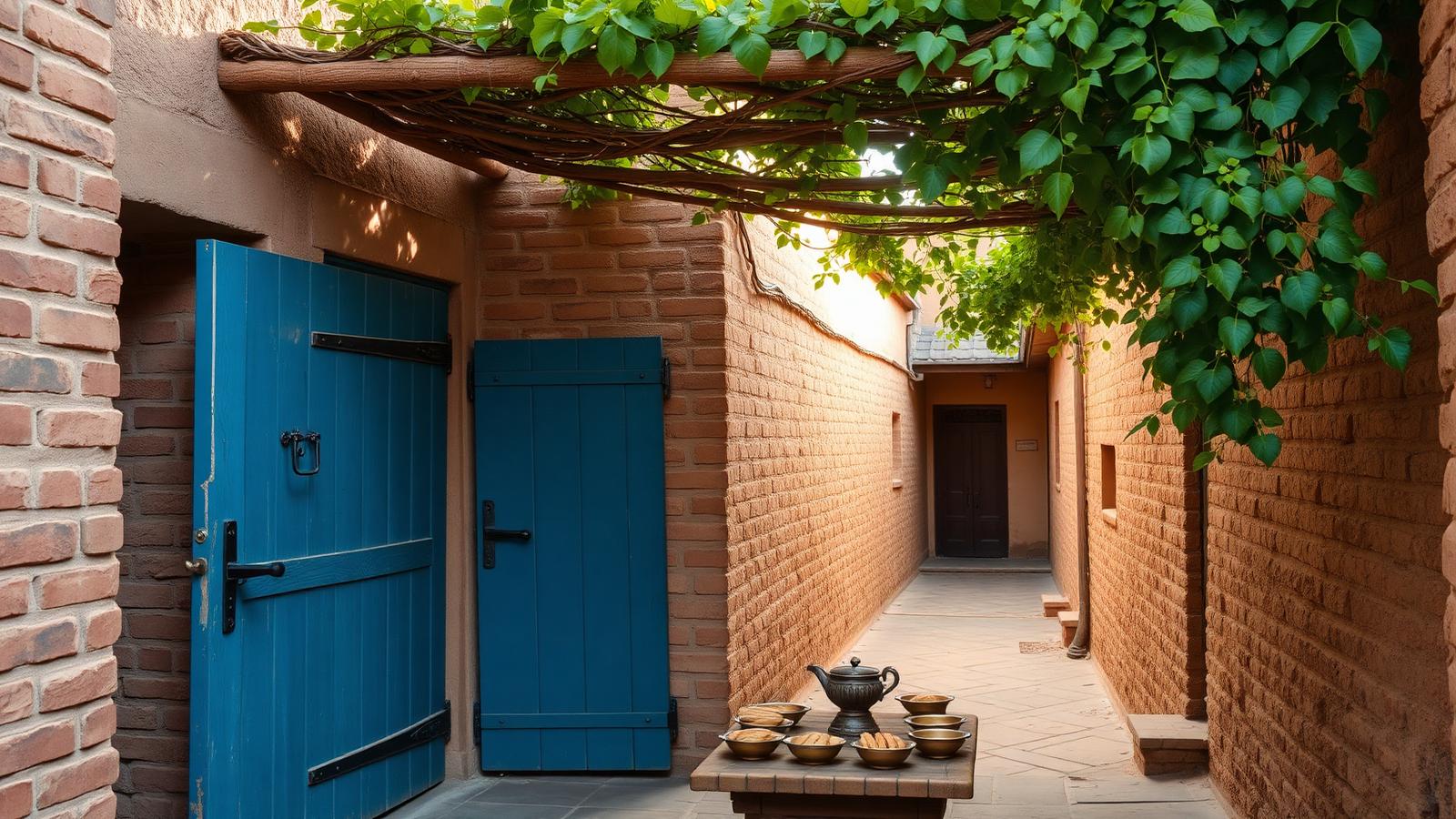
Every Uzbek belongs to a mahalla — a registered neighbourhood with its own committee, chairman, budget and opinions about your life. It is welfare state, wedding planner, credit union and surveillance network in one. Foreigners almost never hear about it. Here's how it actually works.
If you stay in a family guesthouse in Bukhara and hear the owner say 'the mahalla decided', they are not being poetic. The mahalla is a real administrative unit with a chairman, a building, a stamp and a say in things a Western neighbourhood association would never touch. Understanding it explains more about Uzbek daily life than any museum.
What a mahalla actually is
A mahalla is a residential neighbourhood — typically a few hundred to a few thousand households — that functions as the lowest tier of self-government in Uzbekistan. It has an elected chairman (raisi), an office, an assembly of residents, and formal responsibilities recognised in law. It sits below the district administration and above the family.
Old institution, new paperwork
The mahalla predates the Soviet Union by centuries: quarters organised around a mosque, a teahouse and a water channel, run by elders. The Soviets kept the structure and tried to make it a tool of the state. Independent Uzbekistan formalised it further and gave it legal status, budgets and welfare functions.
What the mahalla does
- Welfare: identifies low-income families and channels state allowances, subsidies and coal or gas support to them. Your neighbours decide who is genuinely poor — a system with obvious strengths and obvious risks.
- Life events: organises weddings, circumcision feasts (sunnat toy) and funerals — chairs, cauldrons, tents and manpower belong to the mahalla, not the family.
- Conflict resolution: family disputes, noise, boundary arguments and debts get raised with elders long before police or courts.
- Mutual finance: informal rotating savings groups (gap money) circulate among neighbours and friends, funding weddings, cars and medical costs without banks.
- Public order: mahalla activists work alongside police and district officials on youth issues, alcohol problems and domestic disputes.
- Upkeep: hashar — collective volunteer work days for cleaning canals, planting trees and repairing shared spaces.
The gap: friendship as an institution
A gap is a fixed group of friends or neighbours who meet on a rotating schedule, usually monthly, at each member's home. Everyone contributes; the host gets the pot or the hospitality. Gaps last decades — often from school age to old age — and are a serious social obligation, not a casual dinner.
In Uzbekistan you can move house. You cannot really leave the mahalla — it follows you into the next one.
The honest downside
The same network that guarantees no family faces a funeral alone also means very little is private. Divorce, unemployment, a daughter's marriage prospects, how much a family spent on a wedding — all of it is community knowledge, and community pressure is real. Reformers inside Uzbekistan debate the mahalla's role in social control as seriously as they praise its safety net, and recent reforms have pushed to make it more of a service-delivery body and less of a moral committee.
What this means for travellers
- Your guesthouse family's reputation is collective. Behaving loudly or drunk in a residential lane reflects on your hosts, not just on you.
- If you are invited to a neighbour's event while staying somewhere, that invitation came through the mahalla network and refusing it flatly is a bigger deal than it looks.
- Homestays in villages (Nuratau, Boysun, Fergana) are embedded in this system — the host is accountable to neighbours for you.
- Photography in residential courtyards: ask. A courtyard is a private family space inside a semi-public neighbourhood.
- If something goes wrong — a lost item, a dispute with a taxi driver in a village — the guesthouse owner raising it with the mahalla is often faster and more effective than police.
Words you will hear
- Mahalla — the neighbourhood community itself.
- Rais / raisi — the elected mahalla chairman.
- Oqsoqol — literally 'white beard', an elder whose word carries weight.
- Hashar — collective volunteer work day.
- Toy — a large celebration (wedding, circumcision, first-birthday).
- Gap — the rotating friends' circle and its money pot.
Honest verdict
The mahalla is the single most useful concept for decoding Uzbekistan: why weddings are enormous, why hospitality is compulsory rather than optional, why nobody seems to be alone, and why social reputation matters more than money in a small city. Ask your host about their mahalla and you will get a better conversation than any guided tour.