Mehmon: The Unwritten Rules of Uzbek Hospitality (And How Not to Offend Anyone)
· 9 min read · Culture
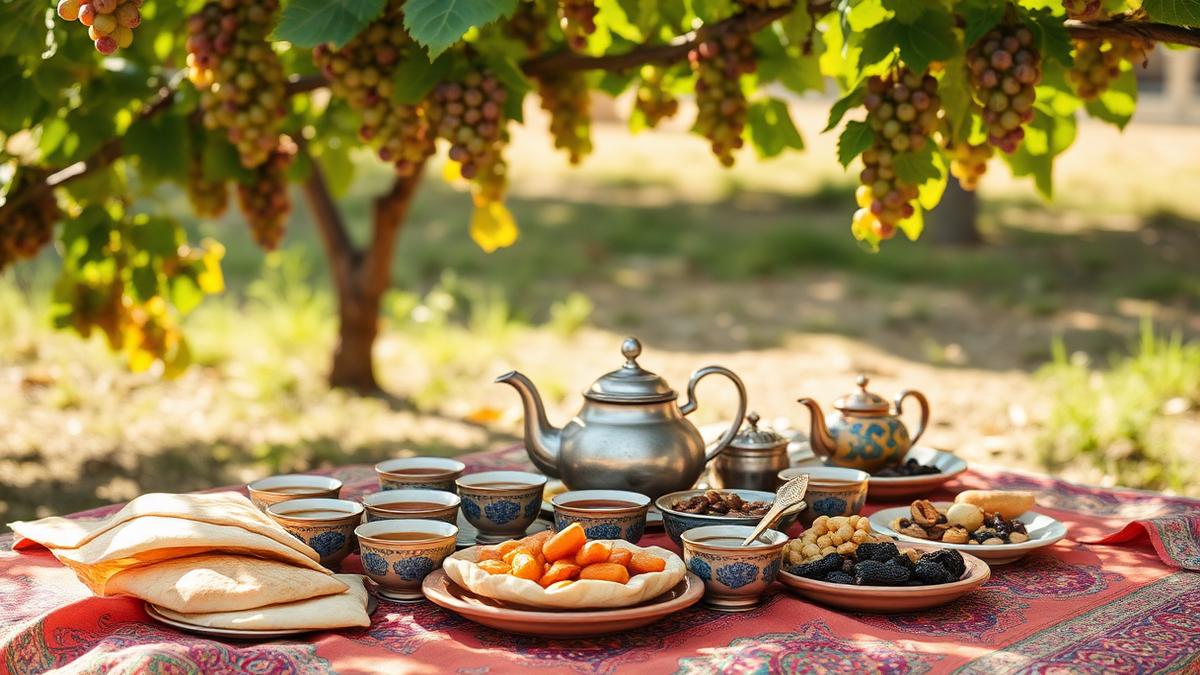
You will be invited into someone's home. It will happen faster than you expect and it will be sincere. The problem is that Uzbek hospitality is a system with rules, and almost every visitor breaks three of them in the first ten minutes.
There is an Uzbek saying that a guest is greater than your father. It sounds like a proverb until it happens to you: you stop to ask directions and forty minutes later you are sitting on a raised platform under a grapevine with tea, bread, apricots and three generations of a family who will not let you pay for anything. This is the guide to doing it well, because hospitality here is not vague warmth — it is a structure, and knowing the structure changes the experience completely.
The concept: mehmon and mehmondo'stlik
Mehmon means guest. Mehmondoʻstlik — literally guest-friendship — is the whole cultural complex around receiving one. It combines Central Asian nomadic tradition (where refusing shelter could kill someone), Islamic obligation toward travellers, and the mahalla, the neighbourhood community structure that still organises social life. A household's honour is measured by how a guest is treated.
Tea: the rules nobody explains
- The host pours the first cup back into the pot two or three times (qaytarish) to mix the brew. This is not a mistake — do not stop them.
- Your cup is filled only a little. This is respect, not stinginess: a small pour means you are served often, and being served often means you are welcome. A full cup can politely mean 'you may leave now'.
- Receive and pass the cup with your right hand; the left hand alone is impolite. Placing your left hand on your chest while receiving is the warm version.
- Green tea (koʻk choy) is the default in the south and summer; black tea (qora choy) in the north and winter.
- Never refuse the first cup outright. Take it, hold it, sip.
Bread is sacred
- Non (the round tandoor bread) is never cut with a knife at the table — it is broken by hand.
- It is never placed upside down. Doing so is a genuine taboo, not a superstition people laugh off.
- Do not leave bread on the floor or throw it away in front of anyone. Leftover bread is stacked, dried or given away.
- At a wedding the couple may break a loaf together; at a departure the traveller may take a bite of bread that is then kept until they return safely.
The table: dastarkhan geography
Where you sit matters
The seat furthest from the door is the seat of honour (toʻr) and it belongs to the eldest or most respected guest. As a foreign visitor you may be pushed toward it. Protest once, then accept graciously — refusing twice makes your host's arrangement fail.
How the food arrives
The dastarkhan (spread cloth) is already loaded with sweets, nuts, dried fruit, salads and bread before anything hot arrives. Do not fill up: plov, shashlik or manti is still coming, and arriving at the main dish full is visible.
Refusing food without offence
Refusal is expected to be overcome — one 'no' means nothing. Take a small portion of everything, leave a little on the plate to show abundance, and use a phrase rather than a wave: 'juda mazali, rahmat, toʻydim' — very tasty, thank you, I am full. Vegetarians should say so early, warmly, and repeatedly; meat is generosity here, and its absence will worry your host.
Gifts and money
- Never try to pay a private host. It will be refused and it slightly insults the transaction-free nature of the invitation.
- Do bring something: cake, sweets, fruit, good tea, or a small item from your own country. Anything for the children is perfect.
- Alcohol is a risky gift unless you know the household drinks.
- If you stay overnight and want to reciprocate, offer to cook something from home — it is received as a gift, not payment.
Practical etiquette elsewhere
- Shoes come off at the door of a home, always. Bring socks you are happy to be seen in.
- Greet the oldest person first; a hand on the heart with a slight nod works everywhere.
- Men should let a woman offer her hand first rather than extending theirs.
- In mosques and shrines: modest clothing, covered shoulders, headscarf for women, quiet voices.
- Photograph people only after asking. Almost everyone says yes, and the ask is the point.
The invitation is not politeness you are supposed to decline. Say yes — and bring cake.
Is it safe to accept invitations?
Overwhelmingly yes, and it is the best thing that will happen on your trip. Standard travel sense still applies: solo travellers should share a location, be cautious about invitations that involve driving somewhere unnamed at night, and treat pressure to buy something as the signal that this is business, not hospitality. Genuine mehmondoʻstlik never involves a price at the end.
Honest verdict
Uzbek hospitality is not a tourist-brochure cliché; it is the most consistently reported experience visitors have, and it is the reason people come back. Learn five phrases, break bread with your hands, accept the small cup of tea, and you stop being a tourist in the room.