Uzbek Dairy & Fermented Foods — Suzma, Qatiq, Kaymak, Kurt & Ayran Complete Guide (2026)
· 8 min read · Food
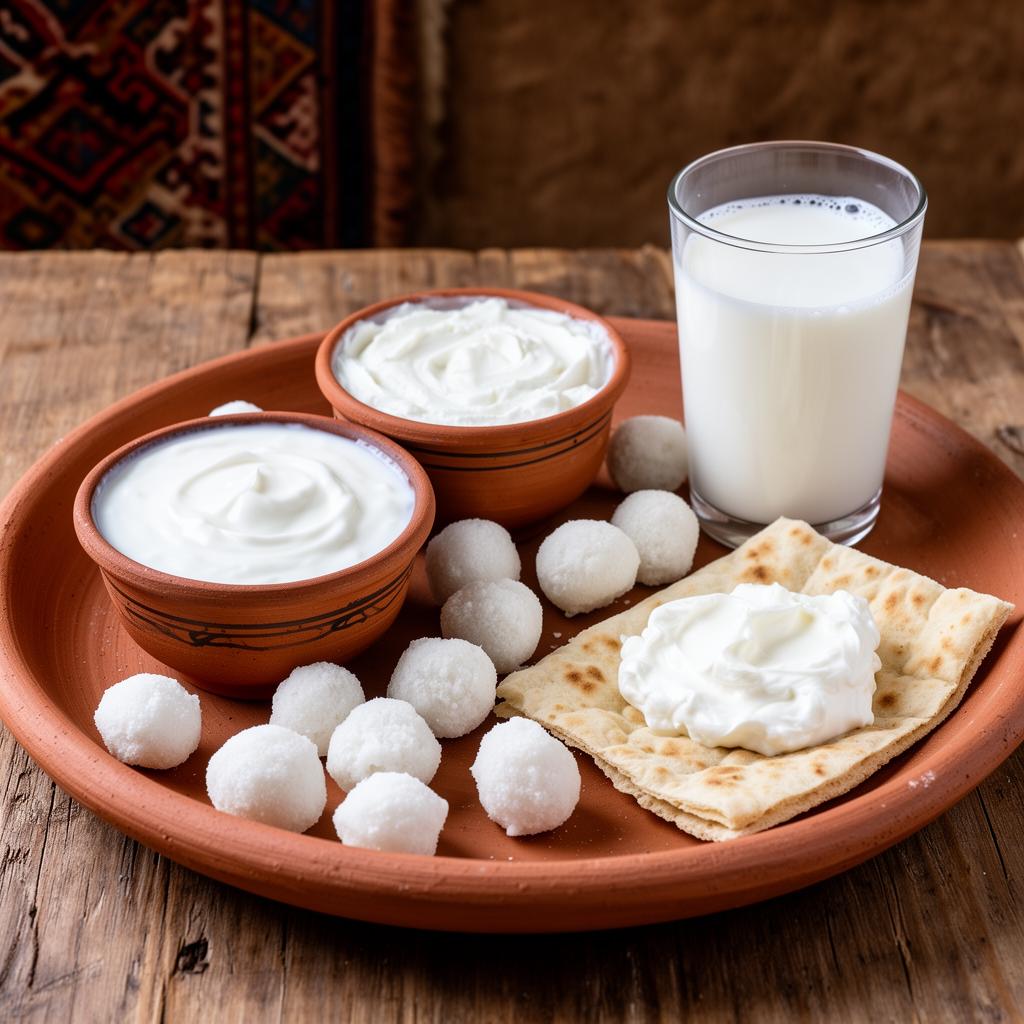
Uzbekistan has one of the world's oldest fermented dairy traditions. Suzma, qatiq, kaymak, kurt and ayran aren't just food — they're medicine, hospitality, and daily sustenance. Here's the complete guide.
Uzbekistan's dairy tradition is older than its Silk Road monuments. For thousands of years, nomadic and settled Uzbeks have fermented milk into products that don't spoil in summer heat, deliver probiotics, and taste unlike anything in Western dairy. If you've only had store-bought yogurt, you've never tasted real qatiq. Here's everything about Uzbek dairy — what it is, how it's made, where to find it, and why it matters.
Qatiq (қатиқ / qatiq / катык) — the original Uzbek yogurt
Qatiq is thick, tangy, spoonable fermented milk — closer to Greek yogurt than anything else, but with a sharper, more complex flavor from Uzbekistan's native bacterial cultures. It's made by warming fresh cow, sheep or goat milk, adding a starter from the previous batch, and letting it ferment at room temperature for 6–12 hours. The result is dense, sour, and deeply satisfying.
- Texture: thick, almost pudding-like. Not runny like Western yogurt.
- Taste: tangy, sour, slightly savory. Not sweetened — ever.
- Serving: in small bowls, often with a drizzle of honey or a pinch of salt.
- Health: probiotic, high protein, excellent for digestion in hot climates.
- Price: 20,000–40,000 UZS per kg ($1.70–3.50).
Suzma (сузма / suzma / сүзме) — strained yogurt cheese
Suzma is what happens when qatiq is strained through cheesecloth for 12–24 hours. The whey drips out, leaving a thick, spreadable, cream-cheese-like product that's tangy and rich. In Uzbek homes, suzma is eaten on bread, mixed with herbs as a dip, added to soups, or simply eaten with a spoon. It's also the base for chakka, a dried version that lasts for months.
- Texture: thick, spreadable, slightly grainy. Like labneh or thick cream cheese.
- Serving: spread on non bread with fresh herbs (cilantro, dill, green onion).
- Cooking: added to shurpa soup for richness, or mixed into lagman.
- Price: 40,000–70,000 UZS per kg ($3.50–6).
Kaymak (қаймақ / kaymak / qaymoq) — clotted cream
Kaymak is the cream that rises to the top of slowly heated milk, then is skimmed and cooled into thick, golden layers. It's richer than butter, softer than cream cheese, and the essential topping for Uzbek breakfast bread. The best kaymak comes from sheep's milk in the mountains — it's yellower, thicker, and more flavorful than cow's milk versions.
- Serving: spread thick on warm non bread, topped with honey.
- Also used: in desserts, melted into soups, or eaten with jam.
- Best source: mountain villages in Chimgan, Fergana Valley, or Nuratau.
- Price: 60,000–100,000 UZS per kg ($5–8.50).
Kurt (курт / kurt / қурут) — dried yogurt balls
Kurt are small, rock-hard, salty dried yogurt balls that Uzbeks snack on like popcorn. They're made by forming qatiq into marble-sized balls, salting them, and drying them in the sun for days until they're hard and chalky. The taste is intensely sour and salty — an acquired taste for foreigners, a childhood memory for every Uzbek. They're also dissolved into water to make chalop/shalop drink.
- Texture: hard, chalky, dissolve slowly in the mouth.
- Serving: eaten as a snack, or dissolved in water as a summer drink.
- Storage: lasts months without refrigeration — the original travel food.
- Price: 40,000–80,000 UZS per kg ($3.50–7).
Ayran (айран / ayran / айран) — the yogurt drink
Ayran is fresh qatiq diluted with water and whisked with salt until frothy. It's the ultimate Uzbek summer drink — cold, salty, refreshing, and genuinely rehydrating in 40°C heat. Every choyxona serves it. Every home makes it. In 2026, bottled ayran from brands like Bio Milk and Mila is available in every supermarket, but homemade is always better.
- Texture: liquid, frothy, slightly thicker than milk.
- Taste: salty, tangy, refreshing. Not sweet.
- Serving: cold, in a metal cup or glass, often with ice.
- Price: homemade costs pennies; restaurant glass 8,000–15,000 UZS; bottle 6,000–12,000 UZS.
Chalop / Shalop (чалоп / chalop / шалап) — the kurt drink
Chalop is kurt dissolved in water with salt and sometimes fresh dill. It's a traditional shepherd's drink — filling, salty, and thirst-quenching after a day in the sun. In 2026, chalop is experiencing a revival in Tashkent cafes as a 'authentic Uzbek probiotic drink.' It's an acquired taste, but deeply traditional.
Where to buy the best Uzbek dairy (2026)
- Tashkent — Chorsu Bazaar dairy section: fresh qatiq, suzma, and kaymak sold from massive metal bowls by women who've been making it for decades.
- Tashkent — Oloy Bazaar: higher quality, slightly higher prices, more organic options.
- Tashkent — Supermarkets (Korzinka, Makro): bottled ayran, packaged qatiq, and kurt. Convenient but not as good as bazaar.
- Samarkand — Siab Bazaar: famous for sheep's milk kaymak from nearby mountain villages.
- Fergana Valley — Margilan and Rishtan bazaars: the dairy capital of Uzbekistan. Try the local qatiq made from cow milk grazed on alpine meadows.
- Nuratau mountains — buy directly from shepherd families. The qatiq here is made from unpasteurized mountain milk and is unforgettable.
Health benefits (why Uzbeks live on fermented dairy)
- Probiotics: native Uzbek bacterial strains support gut health in ways commercial yogurt doesn't.
- Heat tolerance: fermented dairy doesn't spoil in 40°C summers — critical before refrigeration.
- Protein: qatiq and suzma are protein-dense and filling without being heavy.
- Calcium: mountain dairy from grass-fed animals is exceptionally mineral-rich.
- Digestion: the sourness of qatiq and ayran aids digestion of heavy meals like plov.
Final word
Uzbek dairy is not a side category — it's a pillar of the cuisine. Every meal includes something fermented. Every home makes qatiq weekly. Every traveler should try fresh bazaar qatiq with honey at least once. Start at Chorsu Bazaar, ask for 'taze qatiq' (fresh qatiq), and watch the seller ladle it from a bowl that's been in her family for three generations.