Tashkent's Water Park Boom (2026): Every Aquapark Ranked by Price, Crowds and Whether Locals Actually Go
· 10 min read · Things to Do
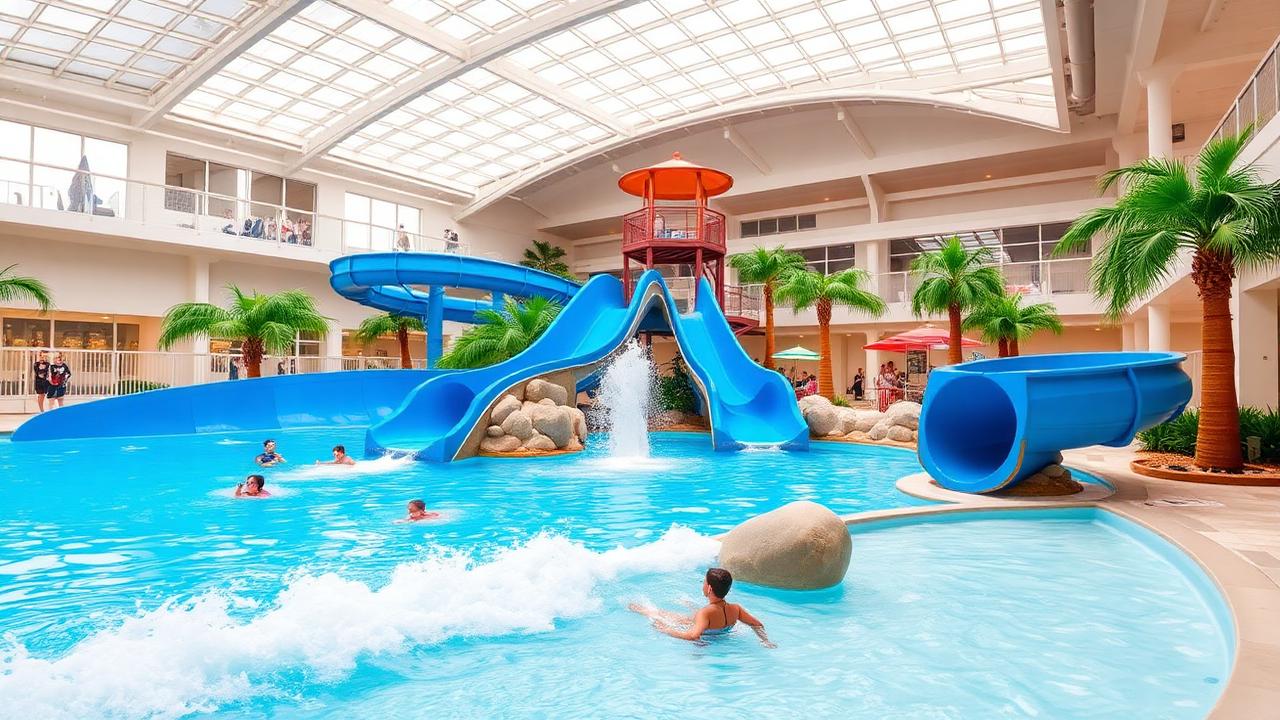
Uzbekistan quietly became a water park country. Between Tashkent's year-round indoor complexes and the summer-only giants on the city edge, this is where a 45°C July afternoon actually gets solved.
Ask a Tashkent family what they do on a July Saturday and the answer is almost never a museum. It is water. Over the last few years the city has gained a cluster of indoor and outdoor aquaparks, and 2026 is the first summer where you genuinely have to choose between them rather than take whatever is open. This guide is written for both sides of the visitor split: tourists who did not plan for 45°C, and residents who want to know which park is worth the entry fee this season.
Indoor versus seasonal — the only decision that matters
Uzbek water parks fall into two categories and they behave completely differently. Indoor complexes attached to hotels and malls run all twelve months, keep the water heated, cost more per person and stay comfortable in January. Open-air parks operate roughly from late May to mid-September, are dramatically cheaper, and are packed to the fence on weekends. If you are visiting in winter and want a pool day, you are looking at the indoor list only.
What a ticket costs in 2026
- Open-air parks: roughly 80,000–150,000 soum per adult for a full day, children cheaper, under-fives usually free.
- Indoor complexes: roughly 150,000–300,000 soum for a three to four hour session, often sold in time blocks rather than full days.
- Cabanas and private gazebos: 300,000 soum and up, booked by phone or Telegram, and genuinely worth splitting between two families.
- Lockers and towels are almost always extra and almost always cash-friendly.
Rules foreigners get caught out by
Two things surprise visitors. First, swim caps: several indoor pools require them and sell them at the desk, so do not treat it as an argument. Second, swimwear standards — board shorts are fine, but some indoor venues insist on proper swim briefs or trunks rather than gym shorts, and enforce it at the changing-room door. Bring flip-flops; the floors are hot outdoors and slippery indoors, and nobody rents them.
Medical certificates
A handful of older municipal pools still ask for a spravka, a short medical note. Modern aquaparks do not. If a venue asks and you do not have one, they will usually accept a small on-site check or simply wave a foreign passport through, but it is worth knowing the word before it is said to you.
Timing: when the queues disappear
Saturday and Sunday from midday are the worst hours of the week, especially at the outdoor parks on the city ring road. Tuesday to Thursday mornings are close to empty. During Ramadan, daytime attendance collapses and evening sessions fill up instead — a useful inversion if you are travelling in that window. School holidays in June push everything up a level.
Outside Tashkent
Samarkand and Bukhara now both have hotel-attached water complexes aimed at domestic tourism, and the Charvak reservoir strip north-east of Tashkent has a scattering of resort pools with actual mountain views. Charvak is the better day out if you have a car: swim, eat at a lakeside terrace, drive back through the Chimgan foothills in the evening. It is not an aquapark, and that is the point.
Getting there and getting home
Yandex Go and Bolt reach every park in the city easily on the way out. The way back is the problem — at closing time hundreds of soaking families order taxis simultaneously and surge pricing doubles the fare. Either leave 40 minutes before the park shuts, or plan to sit at a chaikhana until the surge drops. Do not count on public transport for the outer parks after 21:00.
Is it worth it as a tourist?
If you have three days in Uzbekistan, no. If you have ten days, a child, or a mid-trip afternoon in Tashkent where the heat has beaten you, absolutely — and it is one of the very few places where you will see modern Uzbek family life without any performance for visitors. That, more than the slides, is the reason to go.