Tashkent Plov vs Samarkand Plov: They're Not the Same Dish
· 7 min read · Food
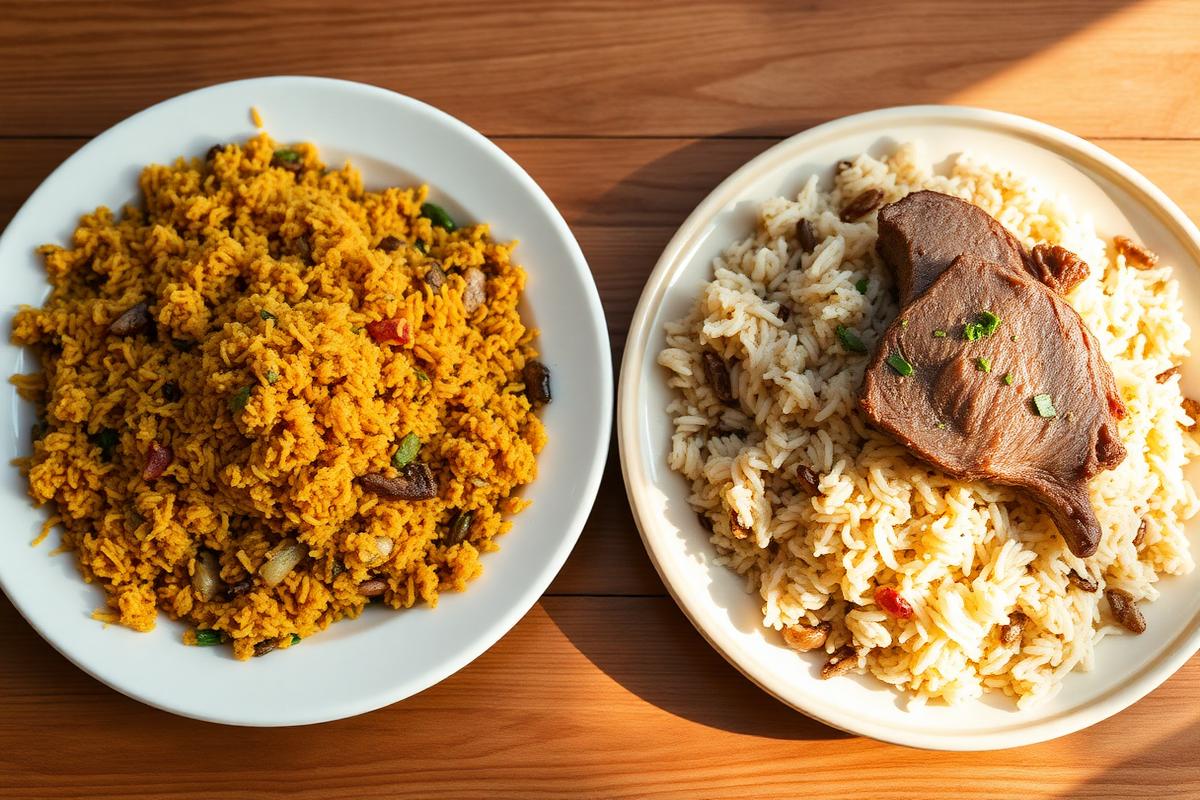
Uzbeks argue endlessly about which city makes the best plov. What visitors miss is that they aren't arguing about the same dish — Tashkent plov is mixed and rich, Samarkand plov is layered and light.
Ask an Uzbek which city makes the best plov and you'll start an argument that outlasts your trip. What most visitors don't realise is that they're not arguing about who cooks the same dish better. Tashkent plov and Samarkand plov are genuinely different dishes — different technique, different appearance, different oil, different taste. Here's how to tell them apart, and which one to eat first.
The core difference: mixed vs layered
This is the whole thing in one sentence: Tashkent plov is cooked and served mixed together; Samarkand plov is cooked and served in layers, with the meat placed on top.
Tashkent plov (also called Tashkent-style or "yellow" plov) stirs the rice, carrots, meat and zirvak (the base stew) together. What arrives is a uniform golden mound — every spoonful tastes the same, rich and deeply savoury throughout. It's darker in colour and heavier in the mouth.
Samarkand plov keeps everything separate. The rice stays pale, almost white; the yellow carrots stay distinct; the meat is laid across the top rather than folded through. You break into it and mix on your own plate, which means you can control each bite. It looks lighter because it is lighter.
The oil matters more than you'd think
Samarkand plov uses a different, lighter oil — and the local specialty is zig'ir yog'i, linseed (flax) oil, which gives a cleaner, faintly nutty note that Tashkent plov doesn't have. Tashkent versions lean on cottonseed oil and rendered fat, producing that heavier, glossier richness.
If you've eaten plov once and found it too heavy, you almost certainly ate the Tashkent style. Samarkand's version is the one to try before you write the dish off.
Which tastes better?
Honestly? It depends what you want.
- Want the full-fat, unapologetic, festival version? Tashkent. It's the plov of weddings and celebrations — designed to feed hundreds and impress all of them.
- Want to actually taste the rice and the meat separately? Samarkand. Cleaner, more delicate, easier to finish a full portion.
- First time trying plov ever? Start with Samarkand's — it's the gentler introduction. Then have Tashkent's and understand why people go quiet when they eat it.
There's a running argument among travellers on this, and no consensus. Some who eat both say Tashkent's is on another level; others say Samarkand's is the best plov in the country. Both camps are right about their own plate.
The other regional styles worth knowing
The country has far more than two versions.
- Fergana plov — the fat-rich style; many Uzbek families cook this at home (often as qovurma palov).
- To'y oshi (wedding plov) — the most aromatic, most generous version, made for celebrations.
- Zig'ir oshi — the linseed-oil style associated with Samarkand.
- Choyxona oshi — teahouse plov, the everyday version.
Every valley claims its own ratio of fat to rice, its own order for onion and carrot, its own method for burying whole garlic heads in the grain. Our complete plov guide (/blog/uzbek-plov-palov-pilaf-complete-guide-2026) goes through the regional map in detail.
When to eat plov (this matters more than where)
One rule overrides everything else: plov is a lunch dish. It's cooked fresh in the morning, served from around 11:00, and when the kazan is empty, it's finished — often by 13:00 or 14:00. Turn up at 19:00 expecting the real thing and you'll get a reheated tourist version.
Be at your chosen plov centre by 12:00, or 12:30 at the very latest. This is the single most useful piece of plov advice anyone can give you.
Where to eat each one
In Samarkand: see our full guide to where locals actually eat Samarkand plov (/blog/where-to-eat-plov-samarkand-locals-2026) — Osh Markazi and the alternatives, with prices and timings.
In Tashkent: we ranked all seven serious plov centres in the city (/blog/tashkent-best-plov-centers-ranked-2026), and the famous one isn't number one.
A bonus for Tashkent visitors: you can eat Samarkand-style plov in Tashkent. Restaurants specialising in Samarqand Zig'ir Osh cook the Samarkand style in linseed oil — useful if your itinerary doesn't include Samarkand, or if you want to taste both styles side by side in one city.
Bottom line
They're not competing versions of one dish — they're two dishes that share a name. Tashkent plov is mixed, heavier and richer. Samarkand plov is layered, lighter and cleaner, with meat on top and often linseed oil. Eat both, at lunchtime, and form your own opinion — everyone here already has one.