Tashkent Became a Coffee City: Inside the Specialty Coffee Boom (2026 Guide)
· 9 min read · Food & Drink
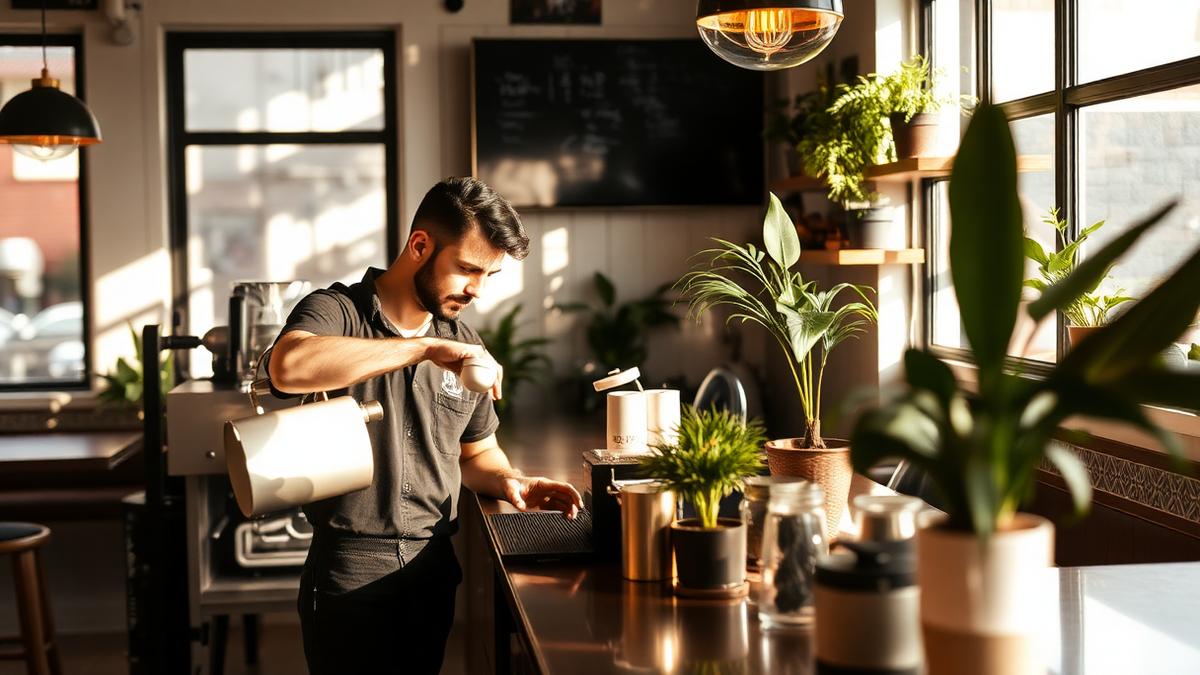
Uzbekistan drinks green tea by the litre — yet Tashkent now has its own roasters, latte-art competitions and queues at 8am. Here is the honest 2026 map of the city's specialty coffee scene.
For a country whose entire hospitality culture is built on a pot of green tea, the speed of Tashkent's coffee shift is genuinely strange. In 2015 a decent espresso in the capital was a rumour. In 2026 the city has home-grown roasteries, baristas who compete internationally, single-origin filter menus written in three languages, and a weekend queue culture that would look familiar in Seoul or Melbourne. This guide explains what happened, where to actually drink, what it costs, and what to buy before you fly home.
Why coffee exploded in a tea country
Three things converged. First, hundreds of thousands of young Uzbeks studied or worked abroad — in Seoul, Istanbul, Dubai and Moscow — and came home with a daily coffee habit. Second, Tashkent's office and co-working boom created demand for somewhere neutral to sit for three hours that is not a restaurant. Third, coffee is aspirational in a way tea is not: tea is what your grandmother serves, an oat flat white is what you photograph. None of this replaced tea — it sits alongside it, often in the same building.
What 'specialty' means here in 2026
- Beans are usually imported green (Ethiopia, Colombia, Brazil, Guatemala) and roasted locally in Tashkent — Uzbekistan does not grow coffee.
- Most serious cafés roast weekly and print the roast date on the bag.
- Espresso, flat white and V60 filter are standard; batch brew is still rare.
- Oat and almond milk are widely available, typically +5,000–8,000 soʻm.
- Latte art standards are high — many head baristas trained in Korea or Turkey.
Where the scene lives
Mirabad and Yakkasaray
The densest cluster. Quiet leafy streets behind Amir Timur Square, walkable between five or six good cafés in half an hour. Best for a slow morning: order a filter, sit outside, watch the neighbourhood.
Tashkent City and the business towers
Fast, modern, expensive by local standards, strong Wi-Fi, air conditioning that actually works in August. This is where remote workers and digital nomads end up.
Chilanzar and the residential districts
Cheaper, more local, more Russian and Uzbek spoken than English. The coffee is often just as good and the cake is usually better.
What it costs in 2026
- Single espresso: 12,000–20,000 soʻm (about $1–1.60)
- Cappuccino or flat white: 22,000–38,000 soʻm
- V60 / pour-over single origin: 35,000–55,000 soʻm
- 250g bag of locally roasted beans: 90,000–160,000 soʻm
- Cake or croissant: 25,000–45,000 soʻm
Card payment (Humo, Uzcard, and increasingly Visa/Mastercard) is accepted almost everywhere in the centre. Tipping is not expected but rounding up is appreciated.
Working from a Tashkent café
- Wi-Fi is generally fast and free; ask for the password at the till.
- Power sockets are common but not guaranteed — bring a power bank.
- Nobody will rush you out, but buy something every couple of hours.
- Peak crush is 12:00–15:00 on weekends; mornings before 10:00 are empty and calm.
- Many cafés close by 22:00–23:00, earlier than restaurants.
Coffee etiquette that is specifically Uzbek
If an Uzbek friend invites you for coffee, they will almost always pay — offering to split can read as rejecting hospitality. Accept, and pay next time. Also expect coffee to be a three-hour social event rather than a quick caffeine stop; ordering and leaving in ten minutes is considered slightly odd.
What to take home
Locally roasted beans are the obvious souvenir and they are genuinely good value. Look for a roast date within two weeks, buy whole bean rather than ground, and ask for a one-way valve bag. Pair it with a small ceramic piyola (tea bowl) from Chorsu Bazaar for a souvenir that is half tea culture, half coffee culture — which is exactly what Tashkent is right now.
Is it actually good?
Yes, at the top end — the best three or four roasteries in Tashkent would hold their own in any European capital. The middle is uneven: plenty of places have a beautiful interior, an expensive Italian machine and under-trained staff. The tell is simple. If the menu names the origin and roast date, the coffee is usually excellent. If it only lists drink sizes, manage expectations and order a cappuccino.