Tashkent Modernism Is Now UNESCO World Heritage (2026): The Full Self-Guided Tour
· 11 min read · Culture
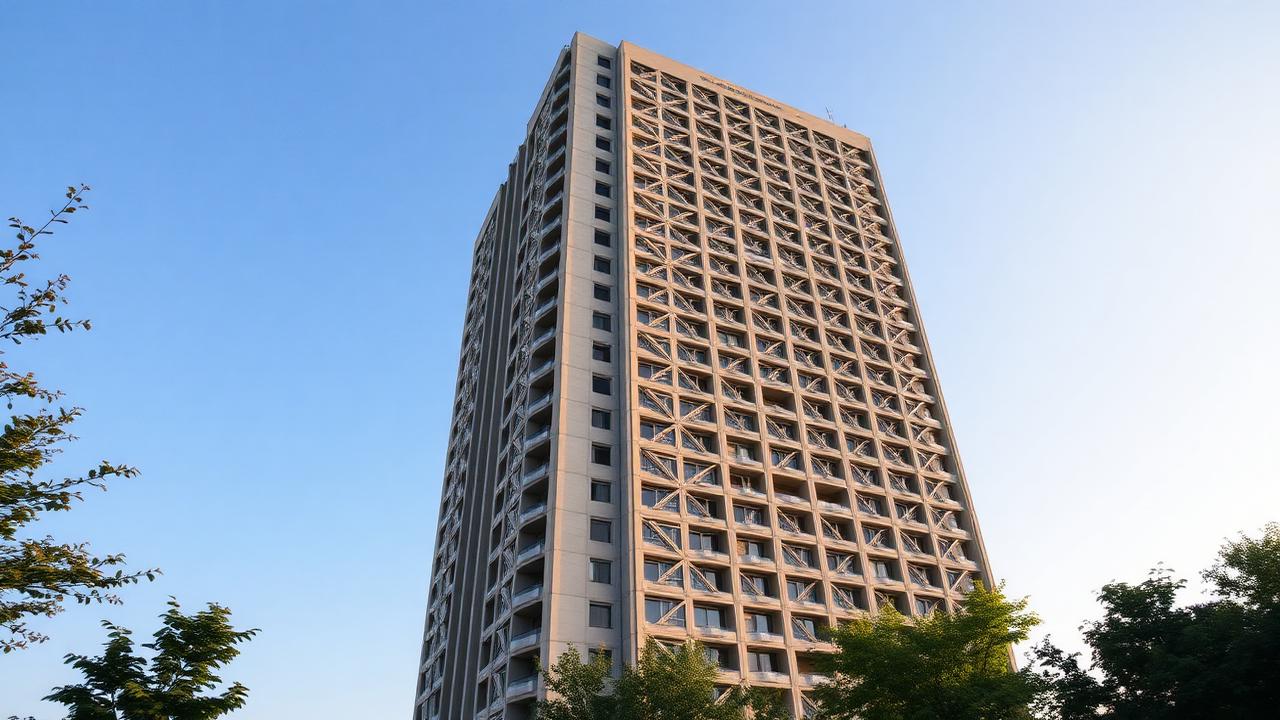
The concrete city that outsiders used to dismiss just joined the same list as the Registan. Here is what UNESCO actually inscribed in 2026, why Tashkent's modernism is genuinely unique, and how to walk it in a day.
For decades, visitors flew into Tashkent, glanced at the wide avenues and slab-sided concrete buildings, and rushed on to Samarkand. In 2026 that judgement was formally overturned: Tashkent's post-earthquake modernist architecture — including the experimental Jemchug tower near Kosmonavtlar metro station — was recognised on the UNESCO World Heritage List. The capital's concrete now sits in the same global register as its blue-tiled madrasas.
What actually happened in 2026
The inscription recognises an ensemble of buildings and planned public spaces built after the catastrophic Tashkent earthquake of 26 April 1966, which destroyed much of the old low-rise city. In the rebuilding that followed, architects from across the Soviet Union were given an unusual brief: build fast, build earthquake-resistant, and build in a way that responded to Central Asian climate and ornament rather than simply copying Moscow.
The result was a distinct regional school — often called Soviet Oriental modernism — that combined raw concrete frames with panjara sun-screens, muqarnas-inspired shading, deep loggias, mosaic panels and water features. Tashkent has the densest surviving concentration of it anywhere.
The Jemchug tower, the symbol of the listing
Jemchug (Russian for 'pearl') is a 16-storey experimental residential tower designed by architect Ofeliya Aydinova and built in the late 1970s and early 1980s. Its idea was radical: instead of stacking identical flats along a corridor, it grouped apartments around open communal courtyards suspended every few floors — a vertical mahalla, transplanting the neighbourhood courtyard life of old Tashkent into a high-rise. It was one of very few Soviet buildings to attempt this, which is precisely why it carried the nomination.
Why this matters beyond architecture nerds
- It changes what a Tashkent stopover is for. The capital used to be a transit night before the fast train to Samarkand. It now has a headline reason to stay two days.
- It protects buildings that were being lost. Several modernist landmarks across the city had already been demolished or heavily reclad; heritage status raises the bar for what can be knocked down.
- It reframes Soviet-era heritage generally. Uzbekistan is arguing that 20th-century architecture is heritage too, not just the 14th-century Timurid stuff.
- It is free to see. Unlike ticketed monument complexes, most of this is streetside — you can look at all of it without paying anything.
A walkable one-day self-guided route
Tashkent is spread out, so combine walking with the metro — which is itself part of the story, since the network opened in 1977 and its stations are the most decorated public spaces of the era. Buy a single card and hop between clusters.
Morning: the government and culture core
- Start around Mustaqillik Maydoni (Independence Square) for the scale of the post-1966 replanning — vast plazas, fountains and shaded colonnades designed for a hot climate.
- Walk to the State Museum of History of Uzbekistan and the surrounding ministry blocks: concrete frames, deep window recesses and stone cladding.
- Take in the Palace of Friendship of Peoples (Istiqlol Palace), one of the era's grandest civic interiors, with a facade of stylised Central Asian geometry.
Midday: the metro as a museum
Ride between Kosmonavtlar, Alisher Navoi, Pakhtakor and Mustaqillik Maydoni. Each has a different theme — space exploration, classical poetry, the cotton harvest — rendered in ceramic, marble, glass and mosaic. Photography inside the metro has been permitted since 2018. If you only do one thing on this list, do this: it is the single best-value cultural hour in Uzbekistan.
Afternoon: Jemchug and the residential experiments
- Head to the Kosmonavtlar / Chilanzar direction for Jemchug itself. It is a lived-in apartment building, not a museum — admire it from the street, do not wander into stairwells or knock on doors.
- The Chilanzar district shows the mass-housing side of the story: whole micro-districts planned with schools, clinics and shade trees inside walking distance.
- Look for surviving mosaic panels on the gable ends of apartment blocks and on bus stops. Many are being restored under a protection programme.
Late afternoon: hotels, circus and TV tower
- The Tashkent Circus building — a flying-saucer dome with a ribbed concrete skirt — is the most photographed modernist object in the city after Jemchug.
- Hotel Uzbekistan's curved, sun-shaded facade is the definitive postcard of the era.
- Finish at the Tashkent TV Tower for the view that explains the city plan: rings of green, wide radial avenues, and the mountains on a clear day.
Practical tips for the tour
- Best light is early morning and the hour before sunset — concrete and sun-screens are all about shadow, and midday flattens them.
- Wear real shoes. Distances between clusters are longer than the map suggests, and pavements are uneven in places.
- Use the metro rather than taxis between clusters: cheaper, faster in traffic, and part of the itinerary.
- Most buildings are working offices or homes. Exteriors are fair game; interiors usually are not without permission.
- Drone photography over government buildings is restricted — see our drone rules guide before you fly anything.
Common misconceptions
- It is not 'brutalism'. Some of it is, but most Tashkent modernism is lighter, more ornamented and more climate-responsive than the British or Boston brutalist canon.
- It was not designed only by Moscow architects. Local architects, including Ofeliya Aydinova, led major projects.
- The listing does not freeze the city. Tashkent continues to build; heritage status applies to specific inscribed properties and their settings.
- It is not a substitute for Samarkand or Bukhara — it is a reason to give Tashkent the two days it deserves on the way through.
How to fit it into a wider trip
The neat itinerary is: land in Tashkent, spend a full day on modernism and the metro, then take a morning high-speed train to Samarkand. See our train booking guide for how to get Afrosiyob tickets, and our Tashkent city guide for food and neighbourhoods around this route.
Details of the inscription, opening arrangements and any new visitor centres can change; check current information locally before planning your day around a specific building.