Tashkent Metro: The Underground Palace Nobody Was Allowed to Photograph Until 2018 (2026 Guide)
· 10 min read · Architecture
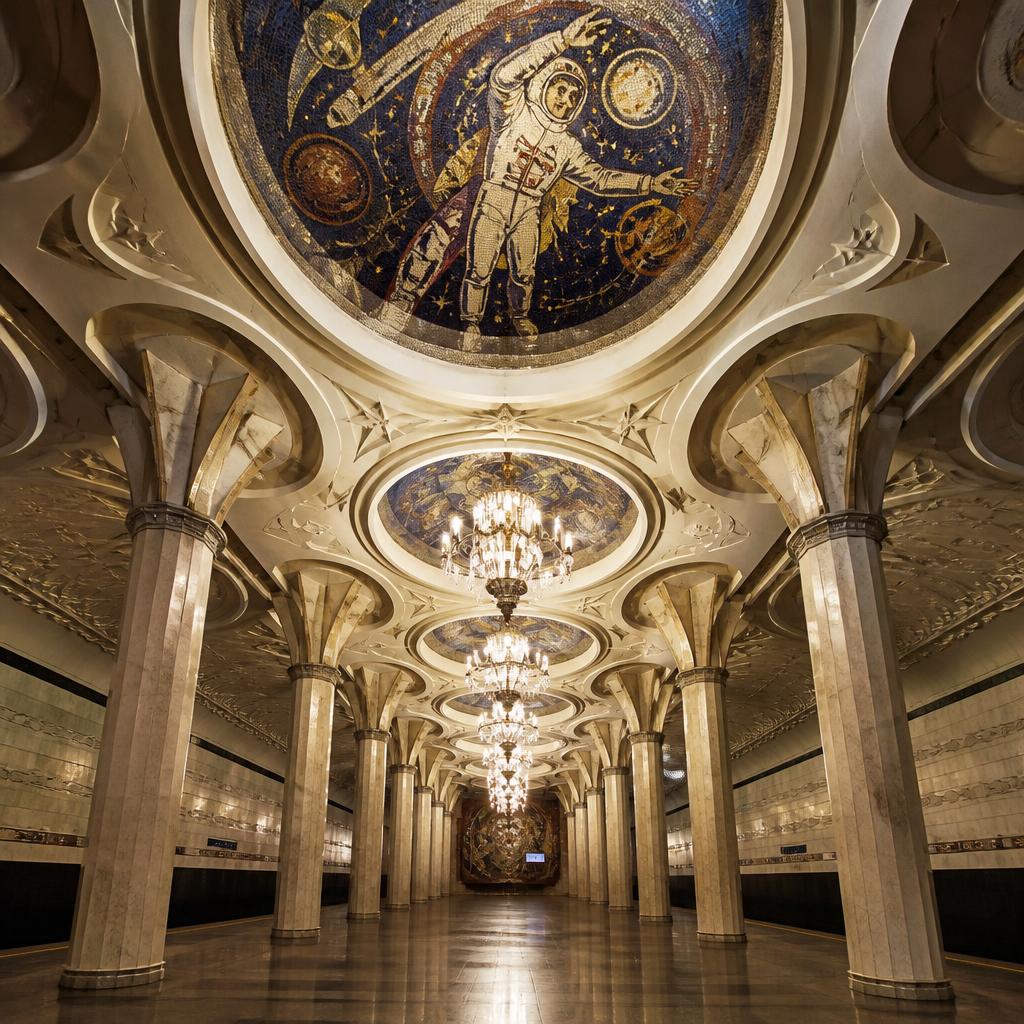
For 41 years photography was forbidden underground. In 2018 the ban was lifted — and the world discovered that Tashkent's metro is a subterranean palace of cosmonauts, cotton flowers and 400-kilo chandeliers. This is the 2026 self-guided tour.
Until June 2018, taking a photo in the Tashkent metro could get you arrested — the system was classified as a military object because it doubled as a nuclear bomb shelter. Then the government changed the rules. Overnight, travel photographers discovered that the stations dug beneath Uzbekistan's capital between 1977 and 2020 are the most beautiful Soviet metro anywhere outside Moscow. This is the 2026 guide to riding it properly.
The system in 60 seconds
Four lines, 50 stations, 76 km. Chilonzor (red, 1977 — the oldest), Uzbekistan (blue, 1984), Yunusobod (green, 2001), and the elevated Circle Line (2020). One flat fare: 1,700 UZS per ride (~14 cents) — cheapest metro on earth. Runs 5:00–24:00. Trains every 3–5 minutes.
The ten stations to see
Kosmonavtlar (Uzbekistan line) — the cosmonauts
The most famous station on the network. Blue ceramic walls with medallions of Yuri Gagarin, Valentina Tereshkova, and Uzbek cosmonaut Vladimir Dzhanibekov. Lit like a planetarium.
Alisher Navoi (Uzbekistan line) — the Timurid palace
Vaulted turquoise domes, calligraphy panels from the 15th-century Uzbek poet Navoi. Feels like a metro dug under Registan Square.
Pakhtakor (Chilonzor line) — the cotton mosaic
Named after the Tashkent football team. Walls covered in a mosaic of exploded cotton bolls — the crop that emptied the Aral Sea.
Mustaqillik Maydoni (Uzbekistan line)
Independence Square station. 32 marble columns, chandeliers modelled on Timurid muqarnas.
Toshkent (Chilonzor line)
The main railway station stop — walls of red Uzbek granite and mosaics of the 1966 earthquake reconstruction.
Gafur Gulom (Uzbekistan line)
Ceramic sunbursts, dedicated to the Uzbek poet. Best lit at midday.
Bodomzor (Yunusobod line) — the almond blossoms
Pale pink and green tiles shaped as almond flowers. Youngest and cleanest of the classic stations.
Chorsu (Chilonzor line)
Blue-and-white tile pattern echoing the bazaar dome above ground. Exit here for Khast Imam and old Tashkent.
Yunus Rajabiy (Yunusobod line)
Wooden geometry inspired by a traditional Uzbek music room.
Novza (Chilonzor line)
Deep purple marble, brutalist chandeliers, almost empty in the middle of the day — the best station for photography without crowds.
The 2026 self-guided route (90 minutes, 15,000 UZS)
- Start at Mustaqillik Maydoni. Photograph, then ride Uzbekistan line east to Alisher Navoi.
- Change onto Chilonzor line, ride south to Pakhtakor.
- Back one stop to Kosmonavtlar. Photograph the medallions.
- Ride Uzbekistan line west to Toshkent. Emerge briefly for the railway station facade.
- Chilonzor line north to Chorsu. Exit for lunch at Chorsu Bazaar.
Photo rules in 2026
- Handheld photography: allowed since 2018, no permit needed.
- Tripods: technically require permission from the metro administration — 100,000 UZS per station, easier to shoot handheld with a fast lens.
- Video: allowed handheld. Drone: illegal underground.
- Do not photograph police, soldiers, or ticket barriers.
How to pay
- Cash: 1,700 UZS per token at the counter.
- ATTO card: refillable transit card, 15,000 UZS deposit, refunds unused balance when returned.
- Contactless bank card (Visa/Mastercard): tap at gate — works since 2023.
- Uzum Pay / Payme QR: scan at gate.
Honest verdict
A metro ride in Tashkent is the cheapest cultural experience in Central Asia. Ninety minutes underground, less than $1.50 in fares, and you leave with 100 photos that would go viral on any travel account. Do it on your first afternoon in the city before the sightseeing marathon starts.