The Tashkent Metro Is Expanding Again (2026): New Lines, Ring Route and How to Ride It
· 10 min read · Transport
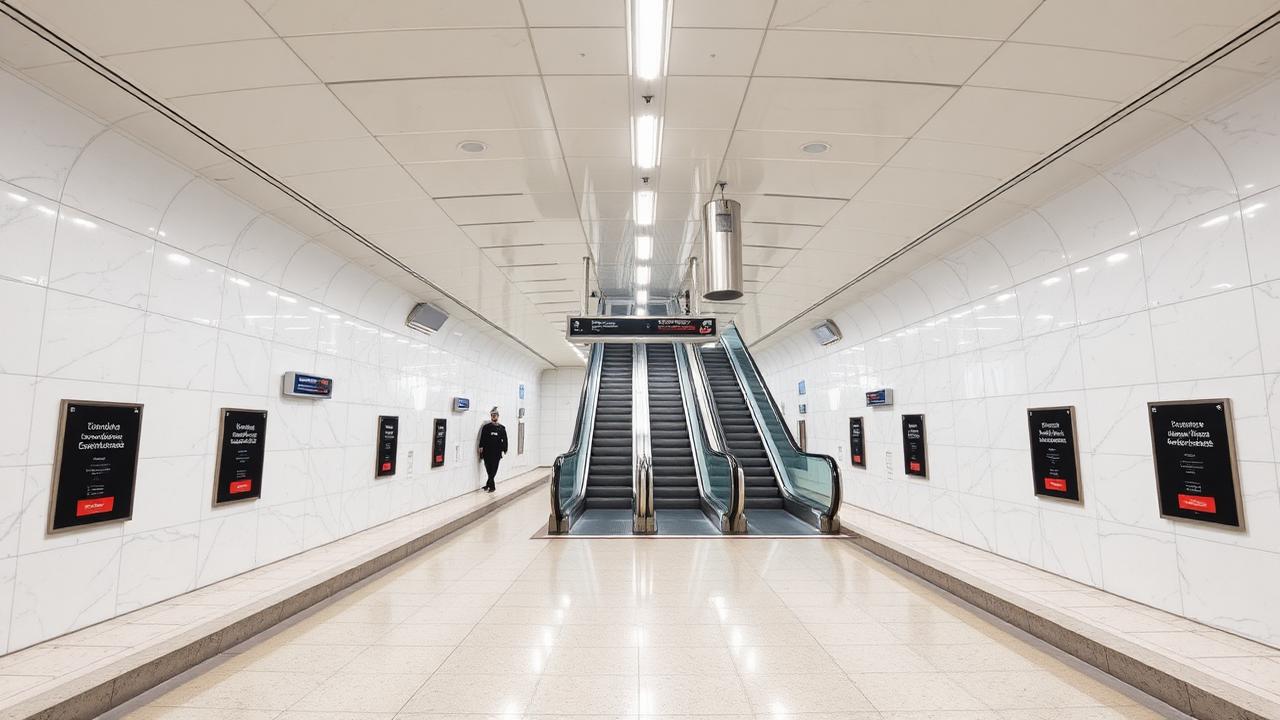
Central Asia's oldest metro is in the middle of its biggest expansion since the Soviet era — new state funding in 2026, an above-ground ring closing around the city, and fares still costing about the same as a bottle of water.
The Tashkent metro opened in 1977, the first in Central Asia, built to be earthquake-resistant after the 1966 disaster and decorated like a series of underground palaces. For most of its life it had three lines. In the last few years it has grown faster than at any point since independence, and in 2026 the president approved a further package of measures including around $84.3 million in state funding for rolling stock, depots and line extensions.
What the network looks like now
- Chilanzar line (red) — the original 1977 line, running southwest to the city centre. Home to the most famous decorated stations.
- Uzbekistan line (blue) — the east–west spine through the centre, including Kosmonavtlar with its space-themed portraits.
- Yunusobod line (green) — the newer north–south line, plainer but faster and cleaner.
- Circle line (ring) — the big change of recent years: a largely elevated ring around the city, built quickly, linking outer districts and the newer residential belt without going through the centre.
The ring is the piece that changed how the network functions. Historically all three lines met in a small central triangle, so any cross-city journey went through the middle. The ring lets outer districts connect to each other directly and feeds passengers into the radial lines, which is why journey times across the suburbs have dropped sharply.
What the 2026 funding buys
- More trains. Frequency, not track length, is the current bottleneck at peak times on the older lines.
- Extensions at the ends of existing lines into fast-growing residential districts.
- Continued build-out and completion of remaining ring segments and interchanges.
- Depot and signalling upgrades — the unglamorous work that determines whether trains can run every two minutes instead of every four.
- Station accessibility and modernisation on newer sections.
Construction timelines in Tashkent tend to be ambitious, and station opening dates move. Treat any specific date you read as provisional and check locally.
How to actually ride it (visitor version)
- Fare: a flat fare per journey regardless of distance, historically around 2,000 som — roughly 15 US cents. Cheapest transport in any capital you are likely to visit.
- Payment: tap a bank card or phone at the gate, or use a rechargeable transport card. Paper tokens are gone. Contactless foreign cards generally work.
- Hours: roughly 5am to midnight; trains every few minutes at peak, longer gaps late evening.
- Signage: station names appear in Latin and Cyrillic Uzbek; announcements are in Uzbek with some English on newer trains. Learn to recognise your station name in Cyrillic as a backup.
- Photography is allowed — it was banned until 2018, which is why older guidebooks say otherwise.
- Security checks at entrances are routine and quick; bags may be scanned.
The stations worth riding for
- Kosmonavtlar — dark blue ceramic and portrait medallions of cosmonauts, including Valentina Tereshkova. The best-known station and the most photographed.
- Alisher Navoi — domed ceilings and blue-and-white medallions illustrating the poet's works; the closest thing to a madrasa underground.
- Pakhtakor — cotton-blossom mosaics by the Zharsky brothers, an unmistakable Uzbek motif.
- Mustaqillik Maydoni — marble and chandeliers, the grand civic statement of the original line.
- Bodomzor and the Yunusobod stations — cleaner, brighter and later-period, showing how the design language shifted.
This underground art is part of the same 20th-century heritage story that led to Tashkent's modernist architecture being recognised by UNESCO in 2026 — see our Tashkent modernism guide for the above-ground half of the tour.
Metro vs taxi vs scooter in 2026
- Metro: fastest at rush hour, unaffected by traffic, and unbeatable on price. Downside: deep stations, stairs and escalators, no step-free access on older lines.
- Ride-hailing: cheap by international standards, door to door, but Tashkent traffic between 8–10am and 5–8pm is heavy.
- E-scooters and bike share: excellent for the last kilometre from a station in spring and autumn; brutal in July heat.
- Buses: comprehensive and cheap, but harder to navigate without local apps.
Tips people learn the hard way
- Mobile signal is patchy in tunnels. Screenshot your route before going down.
- The three original lines interchange in the centre, but transfers involve long passages — allow five minutes.
- Not every station has a toilet; malls above ground are the reliable option.
- Escalators on the older deep lines are long and fast. Stand right, walk left.
- In summer, the metro is air-conditioned relief — it is a legitimate midday strategy, not just transport.
Fares, opening hours and construction dates change; confirm current details with the Tashkent metro operator or your hotel before relying on them.