Is Tashkent Earthquake-Safe in 2026? How the City Rebuilt, What the Codes Require and What to Do If It Shakes
· 10 min read · Practical
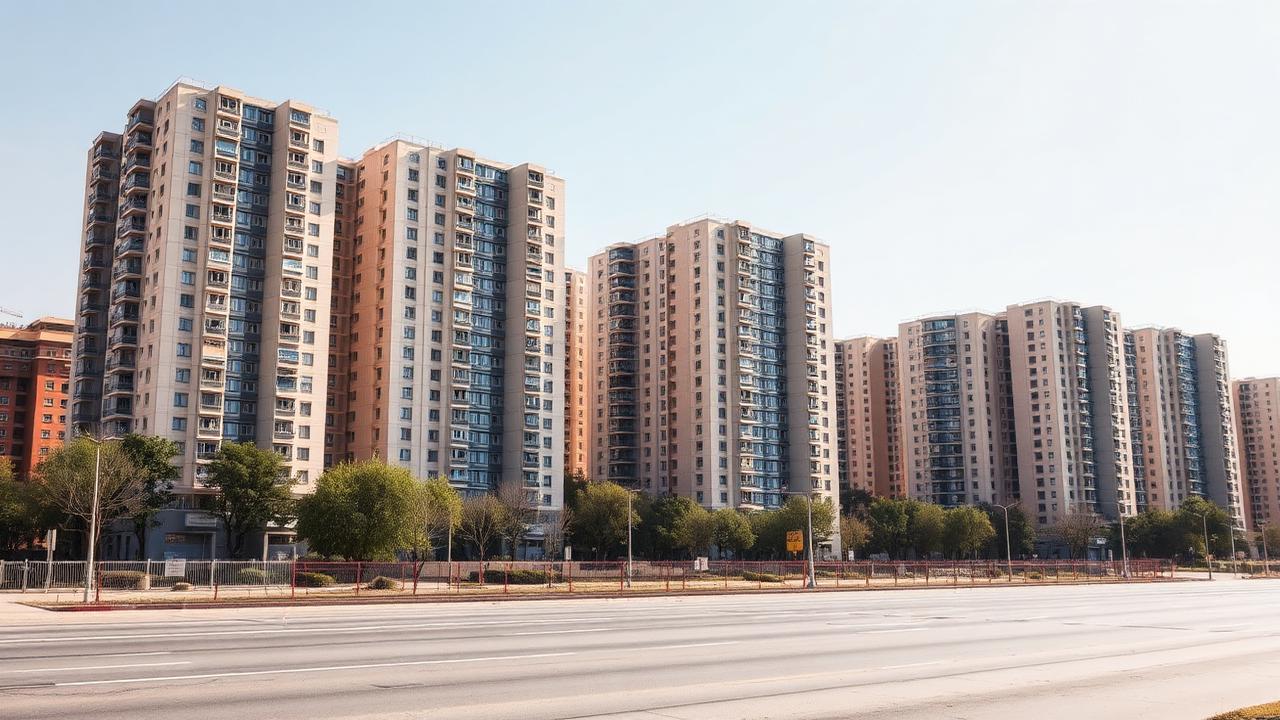
Tashkent sits in one of the most seismically active zones in Central Asia, and the whole modern city exists because of a single morning in 1966. Here is what that means for anyone living in or visiting the city now.
Visitors often notice that Tashkent looks newer than a two-thousand-year-old city should. The reason is seismic: on 26 April 1966 a shallow earthquake beneath the city centre destroyed much of the old town and left hundreds of thousands homeless. Everything built since has been shaped by that event, from the wide boulevards to the specific way apartment blocks are framed. In 2026, with high-rise construction accelerating, the question of how safe the city really is has become a live public debate rather than a historical footnote.
The seismic setting
Uzbekistan sits on the northern edge of the collision zone that also builds the Pamirs and Tien Shan. Tashkent, the Fergana Valley and the Surxondaryo region are the most active parts of the country; Khorezm and the Kyzylkum are quieter. Small tremors are common and mostly unfelt. The realistic planning scenario for engineers is a strong shallow event near a population centre — precisely what happened in 1966 and, at higher magnitude, across the border in the region's history.
Why 1966 mattered so much
The 1966 quake was only moderate in magnitude but extremely shallow and directly beneath the city, which is the worst possible combination. Traditional adobe and unreinforced brick housing failed almost completely, while framed structures largely stood. The reconstruction that followed was a Soviet-wide effort, and it delivered a new city built to a seismic code — the reason so much of central Tashkent is mid-century modernist rather than nineteenth century.
What the building codes require now
Modern Uzbek seismic norms require reinforced concrete frames or shear-wall systems, ductile detailing at joints, and design forces calibrated to the local hazard map. New high-rises in Tashkent City are engineered to standards comparable with other seismic countries, and the tallest towers use core-and-outrigger systems. The engineering is not the weak point. Enforcement on smaller private construction is.
Which buildings are the weakest
- Unreinforced brick and adobe houses in older mahallas and rural districts — the historic failure mode.
- Owner-extended homes where an extra storey has been added without engineering.
- Early panel blocks whose joints have corroded, especially where balconies were enclosed and loaded.
- Ground-floor shops carved out of load-bearing walls — a widespread and genuinely dangerous alteration.
Alerts and emergency response
Uzbekistan operates a seismic monitoring network and the Ministry of Emergency Situations issues public information through its channels; there is no consumer early-warning app of the Japanese kind, and given how close the likely epicentres are to the city, warning times would be seconds at best. Emergency number 112 covers all services. Schools and larger workplaces run evacuation drills.
What to actually do if it shakes
Drop, cover, hold on. Get under a solid table, protect your head and neck, and stay away from windows and from anything tall and unsecured. Do not run for stairs during shaking and never use a lift. If you are outdoors, move away from façades, balconies and power lines — falling cladding causes more injuries than collapse. Once shaking stops, leave the building calmly, expect aftershocks, and do not go back in for belongings.
A five-minute preparation that matters
If you are staying somewhere for a while: know where the gas shut-off is, keep shoes and a torch beside the bed (broken glass is the classic post-quake injury), do not store heavy objects on high shelves above beds, and keep a charged power bank. That is genuinely most of household preparedness.
So, is it safe?
Honestly: the risk is real and permanent, and the modern building stock is engineered for it. A visitor staying in a contemporary hotel in Tashkent faces a risk profile similar to a visitor in Almaty, Tbilisi or Istanbul. The vulnerable housing is old, low-rise and mostly outside the tourist path. Knowing the drill costs nothing, and that is where preparation should stop for a traveller.