Dacha Culture in Uzbekistan (2026): How Tashkent Actually Spends Its Summer Weekends
· 9 min read · Culture
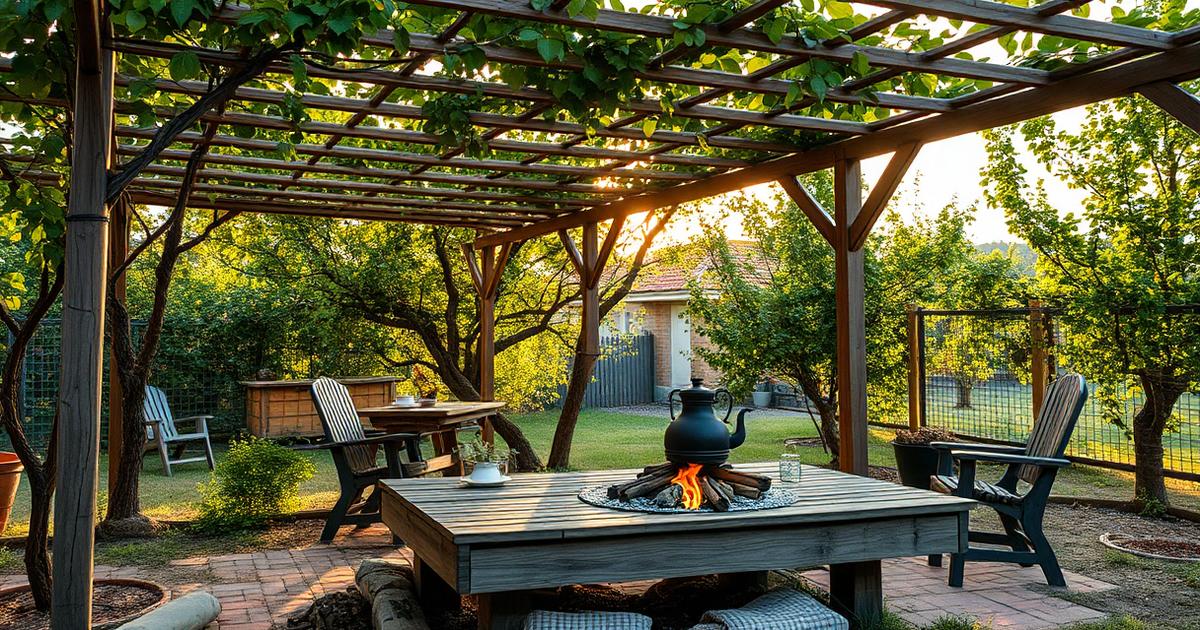
Ask a Tashkent family where they were at the weekend and half will say 'at the dacha'. It is the most important part of Uzbek summer that no guidebook covers.
There is a version of Uzbekistan that visitors almost never see because it happens forty minutes outside the city on a Saturday morning. The dacha — a plot of land with fruit trees, a shaded platform, a water tank and often a modest house — is where a large share of Tashkent's population actually spends the hot half of the year. It is not a holiday home in the Western sense and it is not a farm. It is something more specific, and understanding it explains a lot about how the country relaxes.
What a dacha actually is
The word arrived with the Soviet period, when plots were allocated to workers for growing food, but Uzbekistan absorbed it into an older regional idea: a walled garden with running water and a raised platform to sit on. A typical dacha today has grapevines trained over a pergola, apricot and cherry trees, a vegetable patch, an outdoor kazan for plov, a tandyr for bread and often a small pool. The house itself may be one room and is frequently the least important part of the property.
The tapchan is the centre of everything
The raised wooden platform — tapchan or so'ri — with a low table in the middle and mattresses around the edge is where the entire day happens: tea in the morning, lunch, an afternoon of lying down out of the sun, tea again, then dinner. It is deliberately designed for sitting still for eight hours, and treating it as a lunch stop rather than a destination is the most common foreign mistake.
Where Tashkent goes
- The Charvak and Yusufkhona direction north-east, where dacha settlements climb towards the reservoir and mountain air.
- Chirchiq and the river valley, closer and cheaper, popular with families who want water without the drive.
- Parkent and the foothills to the east, known for orchards and cooler nights.
- Zangiata and the southern belt, flatter and hotter but the shortest run out of the city.
Traffic is the real constraint. Friday evening and Saturday morning out of Tashkent towards Charvak can double the journey time, and Sunday evening back into the city is worse. Locals leave early or leave late, and never in the middle.
The weekend routine
It follows a rhythm that barely varies. Arrival mid-morning, kettle on immediately, bread and jam and tea. Men gravitate to the kazan and start the plov or shashlik around midday; women organise salads, the endless bowls of tomato and cucumber, and the fruit. Children are in the water or the trees. Lunch is long. Afternoon is horizontal. Tea reappears. Somewhere around six the second wind arrives and the grill is relit. Guests come and go without notice, and nobody is invited formally — turning up is the invitation.
Food that only makes sense outdoors
Dacha food is not restaurant food. Kazan-kabob cooked slowly in fat, whole fish grilled at the reservoir, sweetcorn, hand-cut salad drowned in local tomato juice, watermelon cut on the table and eaten immediately, and plov made in a size no household kitchen could handle. The point is scale and time rather than refinement.
Renting a dacha as a visitor in 2026
You do not need to know a family to experience this, because dacha rental has become a real market — organised, as with everything else in the country, largely through Telegram channels and a few booking sites. Prices vary enormously with distance, water and season.
- Simple plot with tapchan, kazan and a small pool, off-peak: roughly 400,000–800,000 soum for a day.
- Comfortable house with a proper pool near Charvak in July or August: often 1.5–3 million soum per day, booked weeks ahead.
- Weekday rates are dramatically lower than weekend rates — sometimes half.
- Almost everything is bring-your-own: food, charcoal, water, towels. Confirm what is included before you pay.
Etiquette if you are invited
An invitation to someone's dacha is a real gesture and should be treated as one. Bring something — fruit, sweets, ice cream for the children, or a melon, which is never wrong. Take your shoes off before stepping onto the tapchan. Accept the first bowl of tea even if you do not want it. Do not offer to leave early; the day is the point. And if you are offered the seat furthest from the entrance, take it: you are being honoured, not shuffled aside.
Why it is disappearing, slowly
Land near Tashkent is being converted to housing, water access in the drier belt is getting harder, and the younger generation increasingly prefers a booked resort pool to inheriting a plot that needs weekly work. The dacha is not vanishing, but it is professionalising — moving from family-owned plots to rented venues. Seeing the older version, with three generations on one platform and nothing scheduled, is increasingly a matter of timing.
Bottom line
If you have a spare Saturday in Tashkent between May and September, renting a modest dacha with a few people is a better cultural experience than most paid tours, and it costs less. Go early, bring more food than you think you need, and plan to do nothing at all for eight hours.