Tashkent's Contemporary Art Scene in 2026: The Power-Station Gallery, the Studios and What's Actually Showing
· 9 min read · Culture
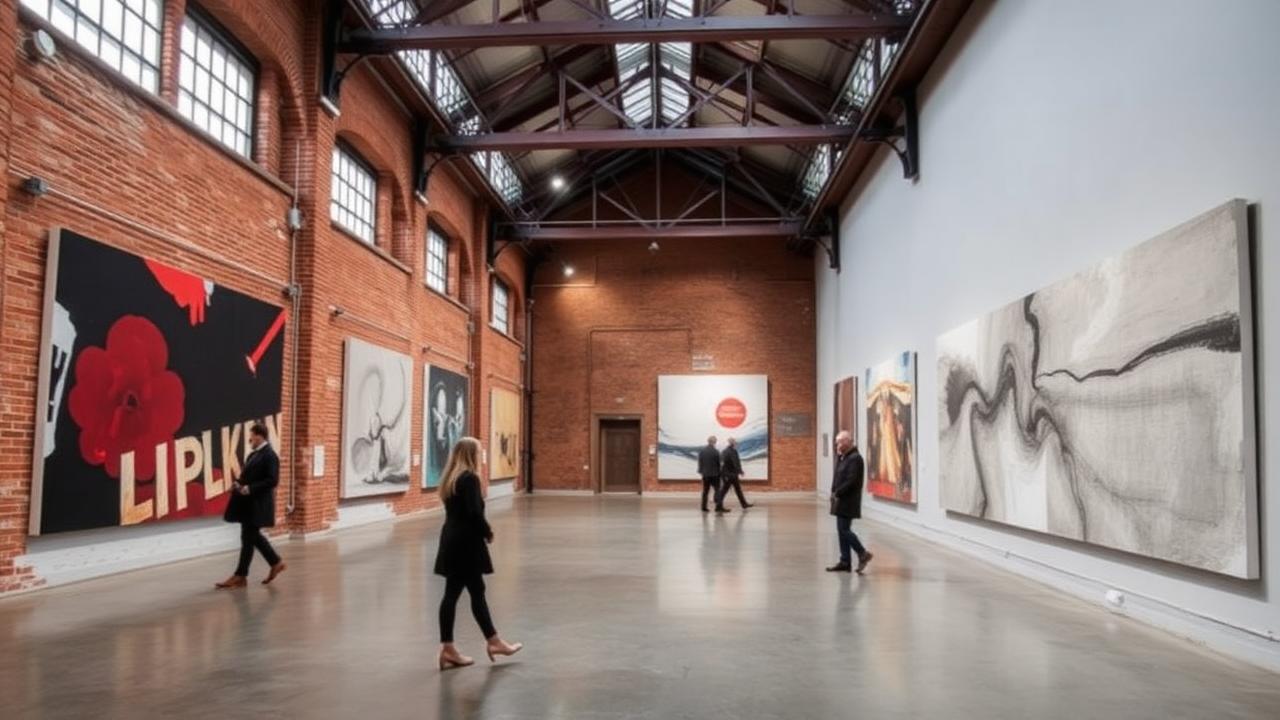
For decades the answer to 'where do I see modern Uzbek art' was a shrug. In 2026 there is an itinerary — and the anchor of it is a diesel power station from the 1910s turned into a hall big enough for real installation work.
Uzbekistan's cultural export used to be exclusively historical: tilework, miniature painting, Silk Road. That changed fast. National pavilions at international biennales, restored industrial buildings turned into exhibition halls and a generation of artists who studied abroad and came back have produced something Tashkent did not have ten years ago — a contemporary scene you can plan a day around.
The anchor: industrial heritage as a gallery
The centrepiece of the new scene is a former diesel power station in central Tashkent, its brick shell and steel trusses kept intact and the interior stripped back to a vast column-free hall. Scale is the whole point: Uzbek artists working in video, sound and large sculpture previously had nowhere to install anything bigger than a room. The programme rotates between international touring shows and Uzbek group exhibitions, and the building itself is worth the ticket even on a changeover week.
Practical details
- Expect a modest soum ticket, with reduced entry for students and free days announced on social channels.
- Most shows run six to twelve weeks; check before travelling, as install weeks close the main hall.
- Labels are typically trilingual — Uzbek, Russian and English.
- Photography is usually allowed without flash, but individual loans can be excepted.
Beyond the big hall
The rest of the scene is smaller and more social. There is a cluster of independent galleries in the centre showing painting and photography, several artist-run studio spaces that open by appointment or on announced evenings, and a steady rhythm of pop-up shows in cafés and former workshops. The Center for Contemporary Art and the state museum system also run modern programming, so the line between institutional and independent is blurrier here than in most capitals.
How to find out what's on
Uzbekistan's art world lives on Telegram and Instagram, not on websites. Gallery channels post openings two or three days ahead, sometimes the same morning. If you are in town for a week, follow two or three channels the day you land and you will almost certainly hit an opening — and openings are free, well attended and the easiest way to meet the artists.
What the work is about
Recurring themes are unmistakable once you have seen a few shows: water and its disappearance, Soviet-era architecture and what to do with it, cotton and labour, migration to Russia and back, and the texture of mahalla life. It is not decorative art and it is rarely nostalgic. Visitors expecting Silk Road pastiche are consistently surprised, which is the most encouraging thing you can say about a young scene.
Where to buy
Commercial galleries in the centre sell work at prices that are still low by international standards, and several artists sell directly from studios. If you buy something old or antique-looking, remember that Uzbekistan restricts the export of cultural property — contemporary work by a living artist with a receipt is straightforward, while anything that could be classed as historic needs documentation. Ask the gallery to write the invoice properly at the point of sale, not at the airport.
A realistic half-day
Start at the power-station hall when it opens, walk to a central gallery cluster for a second and third show, eat somewhere on Amir Timur or in the Broadway area, and keep the evening free in case an opening lands. It is the most contemporary version of Tashkent available to a visitor, and almost nobody on a Silk Road tour ever sees it.