Tashkent's Arena Era (2026): How Uzbekistan Became a Real Tour Stop and Where to Buy Tickets
· 9 min read · Culture
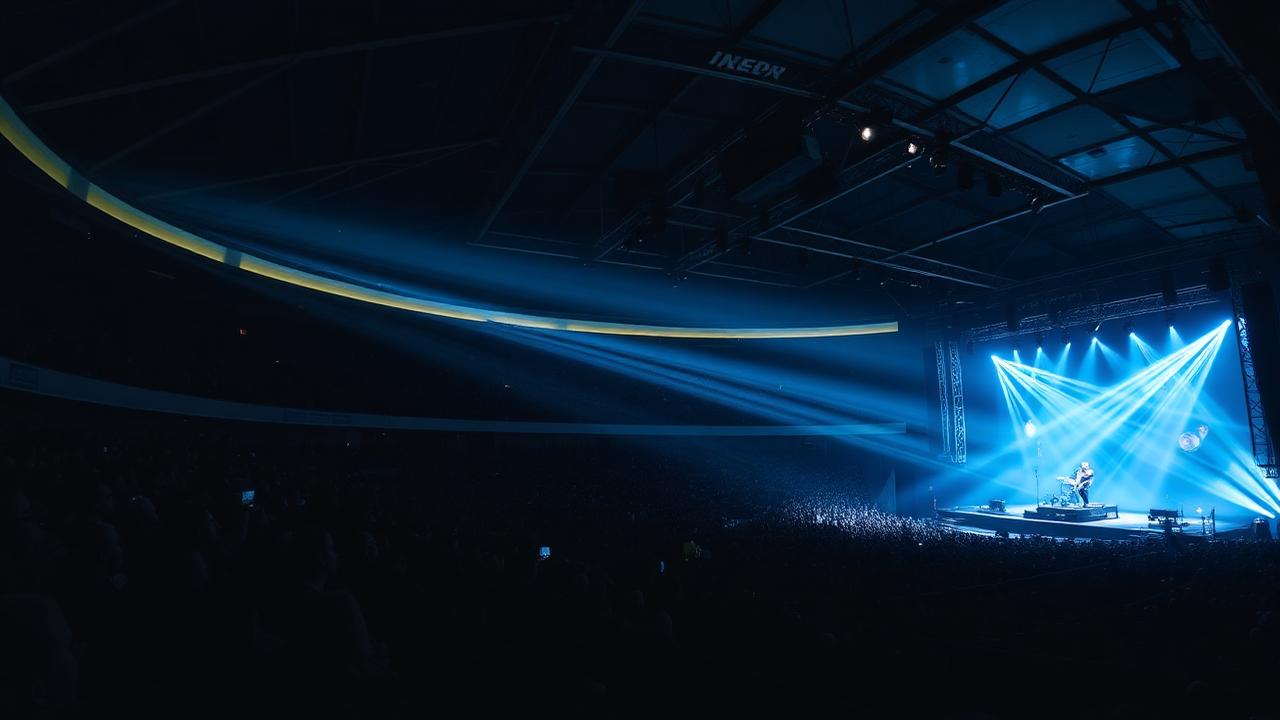
For decades Central Asian tour dates skipped Tashkent entirely. In 2026 the city has the venues, the ticketing and the audience — and tickets cost a fraction of what the same show costs in Europe.
Something changed in Uzbek live music. Multi-thousand-capacity indoor arenas, a national stadium that hosts open-air shows, a domestic pop industry pulling enormous crowds, and a regional touring circuit that now includes Tashkent alongside Almaty and Baku. If you are visiting, checking what is on is worth two minutes — the odds of a real event during a one-week stay are much better than they were.
The venue map
- Indoor arenas in the 8,000–12,000 seat range host international pop, boxing and ice events.
- The national stadium and large open-air sites handle the biggest summer concerts.
- Mid-size concert halls and theatres cover classical, jazz, maqom and touring ensembles.
- Clubs and bars in the centre run local bands and DJ nights, mostly Thursday to Saturday.
- Open-air amphitheatres in the parks come alive from May to September.
How ticketing works
Almost everything is sold through local ticketing platforms and Telegram channels rather than international sites, and payment usually expects an Uzbek card. Foreign cards work on some platforms and fail on others without explanation. The reliable workaround is a physical box office — arenas and theatres still sell over the counter for cash — or asking your hotel to buy on your behalf, which is a normal request here and usually done without a fee.
What you will pay
Domestic pop and theatre tickets start very low in soum and top out at prices that would be an average seat in Europe. International touring acts price higher but still noticeably below Western equivalents. Classical concerts and the opera at Navoi Theatre remain one of the best cultural bargains anywhere — a good seat costs less than a restaurant main course.
Rules at the door
Security at arena events is thorough: bag checks, no large bags, no outside drinks, and professional cameras with detachable lenses are usually refused. Phones are fine. Doors open early and the show starts late — a 19:00 ticket frequently means a 20:00 start, and arriving on the printed time is normal rather than eager. Alcohol availability depends on the venue and the event.
Getting home
This is the part that catches visitors. When ten thousand people leave an arena simultaneously, ride-hailing surge pricing is brutal and the metro may be near closing. Options: walk fifteen minutes away from the venue before ordering a car, use the metro if the show ends before roughly 23:00, or agree a fare with a driver waiting on the approach road. Do not stand at the gate refreshing the app.
What to see if nothing big is on
Navoi Theatre for opera and ballet, the state conservatory for classical programmes, and the maqom and folk ensembles that perform in smaller halls — the latter is the genuinely local option and the one most visitors never find. Jazz has a small but committed Tashkent scene, and the summer park amphitheatres are free more often than not.
Why it happened
Three things: visa liberalisation made travel to Uzbekistan easy for regional fans, a young population with growing disposable income made the maths work for promoters, and the venues finally exist. Tashkent is now a viable stop on a Central Asian routing rather than a detour — which is why the calendar in 2026 looks nothing like the calendar in 2019.