Renting an Apartment in Tashkent (2026): Real Monthly Prices by District, Deposits and the Rules Nobody Explains
· 11 min read · Living
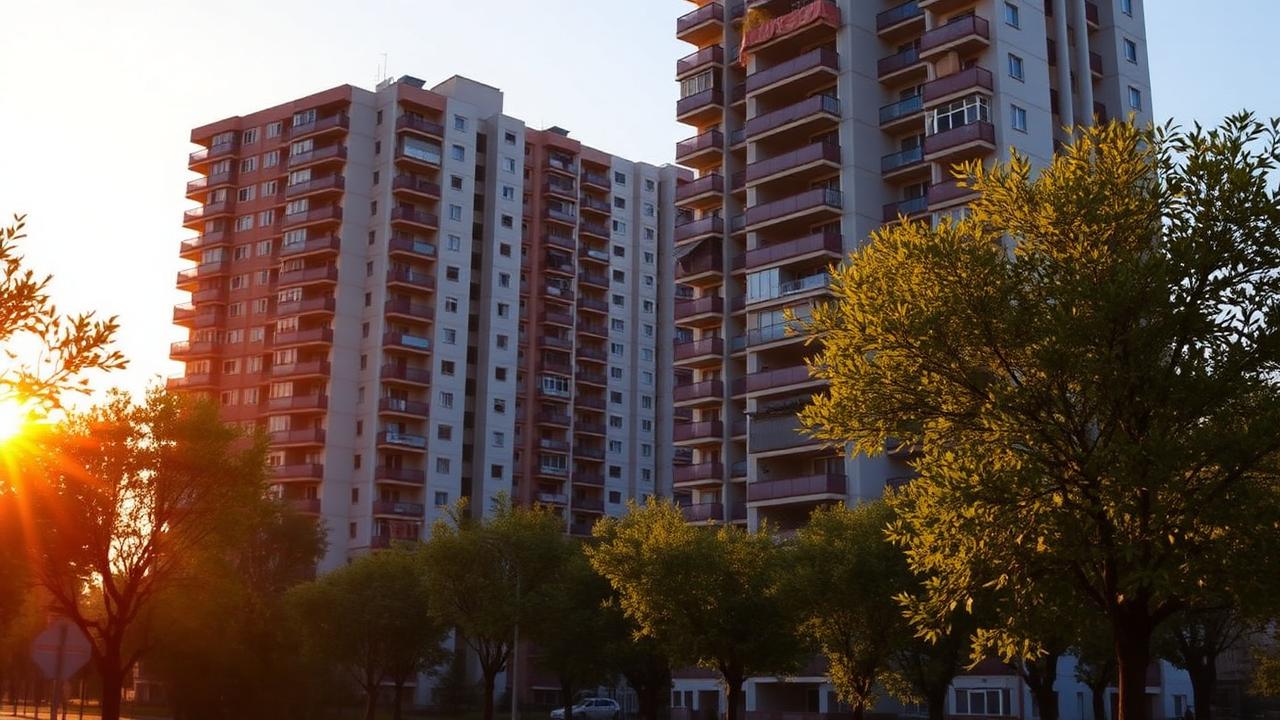
Long-stay travellers, remote workers and returning Uzbeks all ask the same question: what does a decent flat in Tashkent really cost? Here are 2026 numbers, district by district, with the fees agents don't mention up front.
Tashkent rent has stopped being a rounding error. Between the tech-sector salary boom, a wave of relocations and a construction pipeline that still lags demand in the central districts, the monthly cost of a normal two-room flat has roughly doubled since 2021. If you are coming for a month, a season, or a year, this is the practical picture in 2026 — what you pay, what you pay on top, and where the market quietly punishes newcomers.
What a flat costs per month in 2026
Prices below are typical asking rates for furnished flats advertised to long-term tenants. Short-term and daily rentals run two to four times higher per night, and dollar pricing is common in the expensive districts even though payment is usually settled in soum at the day's rate.
- Yunusabad and Chilanzar, older panel blocks, one room: roughly 3–5 million soum a month.
- Yunusabad, Mirzo-Ulugbek, modern building, two rooms: roughly 6–10 million soum.
- Central Mirabad and Yakkasaray near the metro: roughly 8–14 million soum for two rooms.
- New premium complexes in Tashkent City and along Amir Timur Avenue: 1,200–2,500 US dollars, quoted in dollars almost without exception.
- Sergeli, Bektemir and the outer ring: from about 2.5 million soum, but budget an hour each way in traffic.
What changes the price most
Three things: walking distance to a metro station, whether the building has a lift that actually works, and the age of the renovation. Uzbek listings distinguish between yevroremont (a full modern refurbishment) and everything else, and the gap between the two is often three million soum a month in the same building.
Deposits, agents and the fees nobody advertises
The standard structure is one month's rent as a deposit, one month paid in advance, and a one-off agent commission that is usually a further 50 to 100 percent of one month's rent. So a 7 million soum flat can require 17 to 21 million soum on the day you get the keys. Agents rarely mention their commission in the listing; ask before the first viewing, not after.
Where to look
The bulk of the market lives on OLX and on Telegram channels run by district-level agents. Telegram is faster and often cheaper because listings appear there hours before they hit the websites, but the quality of photos is worse and duplicate posts are everywhere. If a flat looks 30 percent below market for its district, it is either a bait listing or already gone.
Utility bills — the part that surprises people
Rent almost never includes utilities. In summer, air conditioning in a two-room flat can add 400,000 to 900,000 soum a month in electricity. Winter gas heating in older buildings is cheaper but far less reliable, and in cold snaps pressure drops across whole districts. Buildings with modern central heating cost more in rent and are worth every soum in January. Ask which season the current tenant has lived through — a flat that has only been rented in autumn tells you nothing.
Contracts and registration for foreigners
If you are a foreign national, the flat needs to be registered for you or you will have problems at exit control. Landlords who rent to foreigners regularly know the process and handle it through the e-mehmon system; landlords who do not will often refuse or ask you to pretend you live in a hotel. That refusal is your signal to walk away. A written contract in Uzbek or Russian, signed and stamped, protects your deposit and is the only document that matters in a dispute.
Deposit disputes
The single most common conflict is deductions for pre-existing damage. Photograph everything — walls, appliances, taps, the boiler, the fridge seal — on the day you move in, send the photos to the landlord on Telegram so they are timestamped, and keep the thread.
Neighbourhoods, honestly
Yakkasaray and Mirabad are the walkable, café-dense centre and are priced accordingly. Yunusabad is the safe default: metro, markets, schools, mid-range prices. Chilanzar is the cheapest place with real infrastructure. Tashkent City is glass towers, gyms and delivery, with almost no street life. Sergeli is affordable and increasingly connected by the new metro line, but you commute.
Should you buy instead?
Foreigners generally cannot buy land, but apartment ownership is possible in practice through the property register, and mortgage rates for residents in 2026 remain high enough that most people rent. If you are staying under two years, renting is the obvious answer. If you are staying longer, talk to a notary before you talk to a developer.
The short version
Budget 6 to 10 million soum a month for a comfortable two-room flat near a metro station, plus roughly two and a half months of rent up front, plus utilities. Sign a real contract, get registered, photograph everything, and never pay a deposit before you have stood inside the flat.