Tashkent to Almaty Overland in 2026: Train, Bus and the Chernyayevka Border Crossing, Explained
· 10 min read · Transport
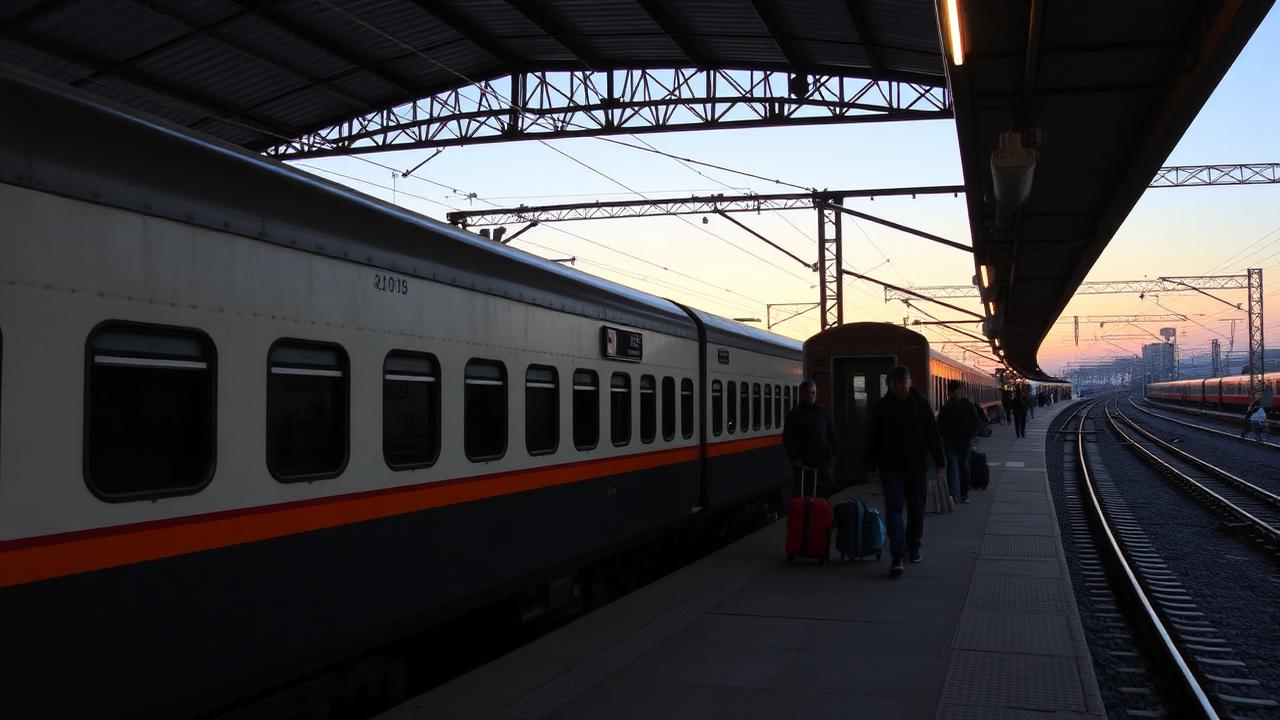
The most common overland exit from Uzbekistan is also the least documented. Here is what actually happens between Tashkent and Almaty in 2026 — on rails, on the road, and at the border itself.
Flying Tashkent to Almaty takes ninety minutes and costs more than it should. Going overland takes a day and costs less than dinner in a good restaurant, and it is how most people in the region actually move. The route is straightforward, but almost nothing about it is signposted in English, so this is the sequence in plain terms.
Option one: the direct train
There is a through service between Tashkent and Almaty running on a multi-day-per-week schedule, taking roughly 16 to 20 hours depending on the timetable and border stop. Carriages are the classic post-Soviet three classes: platskart (open bunk sections), kupe (four-berth compartments with a door), and occasionally a two-berth SV. Kupe is the sweet spot for foreigners, and prices in 2026 sit in the range of 400,000 to 900,000 soum depending on class and season.
What the train experience is like
There is a samovar of boiling water at the end of every carriage, and the entire carriage runs on tea, instant noodles and shared food. Bedding is issued by the provodnik (carriage attendant) and included in the ticket. Border formalities happen on board: officers walk through, collect passports or stamp in place, and the train sits still for one to three hours. You do not get off. Bring cash in both currencies and a book.
Option two: bus or shared taxi to the border, then onward
The faster and more flexible option is to travel to the border on the Uzbek side, walk across, and pick up transport in Kazakhstan. From Tashkent, the Chernyayevka crossing — called Zhibek Zholy on the Kazakh side — is about 25 minutes by taxi from the city centre. That proximity is unusual: few capitals sit this close to an international frontier.
Crossing on foot, step by step
- Taxi drops you at the pedestrian terminal; vehicles use a separate lane, so a car with you inside is usually slower than walking.
- Uzbek exit control: passport, exit stamp, and a customs channel. Registration slips are no longer routinely demanded but keep them.
- A short neutral corridor between the two posts, a few hundred metres.
- Kazakh entry control: passport, entry stamp, bag scan. No fee, no form for most nationalities.
- On the Kazakh side, shared taxis and minibuses run to Sary-Agash and Shymkent; from Shymkent there are frequent trains and buses to Almaty (around 12 hours) or flights.
Timing: when the border is bearable
Early morning, roughly 06:00 to 09:00, is fast. Late afternoon on Friday and Sunday is the worst, when weekend traders and families move in both directions and the pedestrian hall can back up for over an hour. Public holidays on either side multiply everything. The crossing operates around the clock, but transport on the Kazakh side thins out badly after dark.
Visas and documents in 2026
Both countries run generous visa-free regimes for most European, North American, Gulf and East Asian passports, and citizens of both countries move freely between them. Check your own nationality before you go, because the two lists are not identical — there are passports that enter Uzbekistan visa-free but need a Kazakh visa, and the border is the wrong place to discover that.
Currency and customs
Declare large sums of cash. Standard limits apply to alcohol and tobacco, and both sides take an interest in commercial quantities of goods rather than tourists' luggage. Antiques and carpets bought in Uzbekistan may need an export certificate — get it from the shop at the time of purchase, not at the border.
Is it worth it versus flying?
If you value time, fly. If you want to actually see the Syr Darya plains, share tea with a carriage full of strangers, and understand how the region is stitched together, the train is one of the best-value overland journeys in Asia. The hybrid option — taxi to the border, cross on foot, bus to Shymkent, night train to Almaty — is the fastest of the surface routes and the one locals use.