Nuratau Mountain Villages: The Homestay Trail Most Uzbekistan Guidebooks Miss (2026 Guide)
· 10 min read · Culture
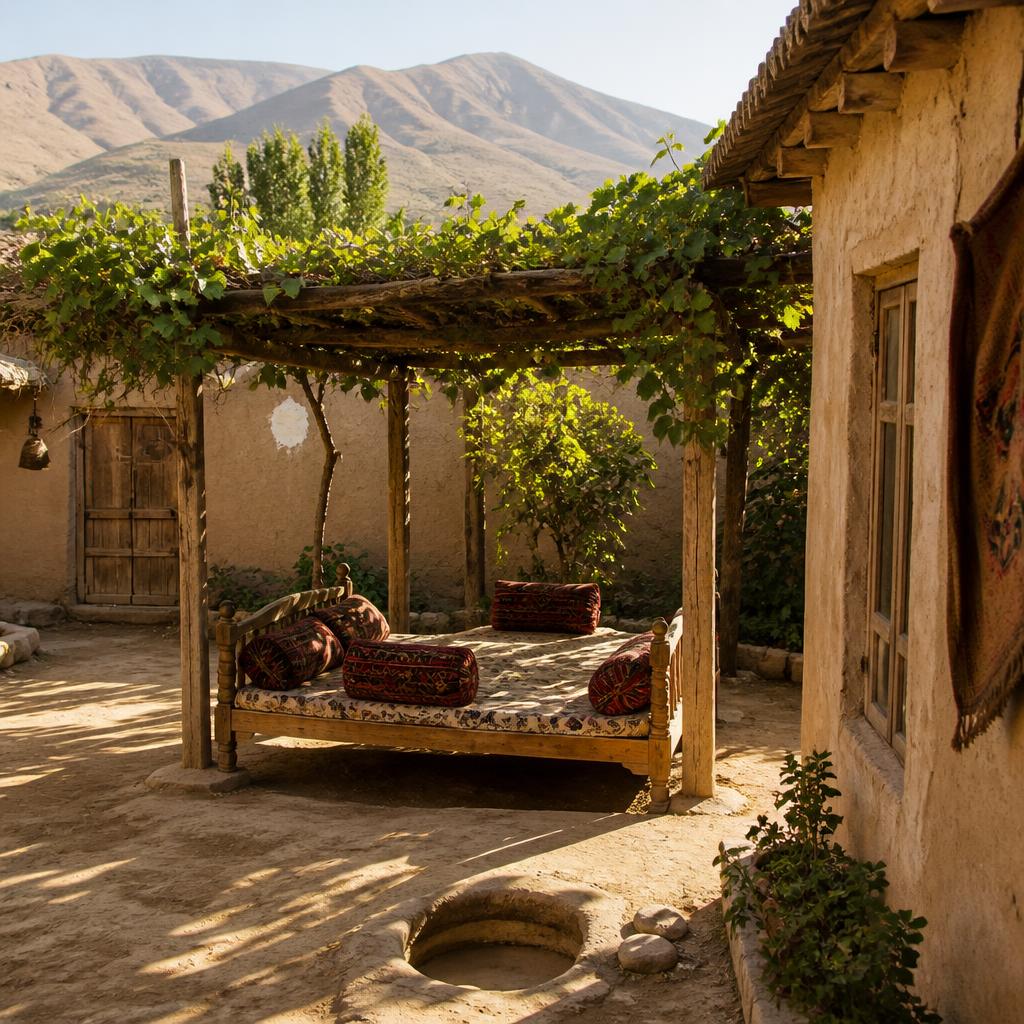
Between Samarkand and the Kyzylkum desert, four mud-brick villages run the oldest homestay network in Uzbekistan. No hotels, no wifi, just Tajik families, walnut groves and 2,000-metre ridge walks. Here's the 2026 guide.
The Nuratau range is a low, dry line of mountains rising out of the steppe halfway between Samarkand and the Aydarkul desert. Four ethnic Tajik villages — Sentyab, Hayat, Uhum, Majrum — have been running Uzbekistan's original community-based tourism programme since 2006, backed by UNDP. There are no hotels here, only homestays. There are no restaurants either — you eat what your host family cooks. This is the 2026 guide to the country's most authentic overnight experience.
Why go
Because it is the opposite of Samarkand. No entry tickets, no coach parties, no restored 15th-century tile. Just a mud-brick house at the end of a dirt road, a grape-vine tapchan in the courtyard, and a walk up a canyon to a 400-year-old walnut tree. The Nuratau-Kyzylkum Biosphere Reserve protects the range officially, but the real conservation is done by families who need the guest income enough to keep the traditional way of life going.
The four villages
Sentyab (Sentob)
The most developed — 12 homestays, a small info office, marked hiking trails. Sits in a green canyon with a stream. Best base if it is your first visit.
Hayat
Smaller and quieter, 6 homestays. Start point for the best day hike — the ridge walk to a Sufi pilgrimage cave at 1,900 m.
Uhum
The remotest village, 45 min drive from Sentyab on a rough road. 4 homestays. Zero light pollution — the milky way is visible from your courtyard.
Majrum
Right on the edge of the reserve — best for wildlife, occasional sightings of the Severtzov argali sheep (endemic to the range).
What a homestay looks like
- Private room in a family house, mattress on the floor, thick blankets.
- Shared bathroom, usually an outdoor squat toilet plus a hot shower with a wood-fired boiler.
- Breakfast included: fresh bread, homemade jam, chai, sometimes eggs from the yard.
- Dinner included: shurpa (lamb soup), plov, home-grown tomatoes, walnuts, apricots.
- Solar wifi in Sentyab only — Uhum and Hayat are officially offline.
2026 costs
- Homestay per person per night with all meals: 350,000–450,000 UZS ($28–36).
- Local guide for day hike: 200,000 UZS/day.
- Horse ride (2 h): 150,000 UZS.
- Village transfer by donkey cart: 40,000 UZS.
How to get there in 2026
- From Samarkand: shared taxi to Nurata (2h30, 100,000 UZS), then arrange onward pickup with your homestay (60,000 UZS to Sentyab).
- From Tashkent: train to Jizzakh (2h), then taxi to Sentyab (2h, 400,000 UZS).
- Private car from Samarkand: 1,000,000 UZS one way.
- Most homestays send a driver — book by WhatsApp 2 days ahead.
Best time to visit
- April–early June: wildflowers on the ridges, streams full, 18–25°C.
- September–October: walnut harvest, mulberries drying on every roof, warm days and cool nights.
- July–August: 38–42°C at midday, hike before 7:00 or after 18:00.
- November–March: snow above 1,500 m, most homestays open but no organised hikes.
Combine with these
- Aydarkul lake + yurt camp (1h drive from Sentyab) — desert + water in one loop.
- Nurata town — 10th-century fortress ruins built by Alexander the Great, and the sacred spring of Chashma with thousands of sacred fish.
- Samarkand — 3 hours away, natural start/end for the trip.
Honest verdict
Two nights in Sentyab or Hayat is the single best thing you can add to a 10-day Uzbekistan trip. It costs less than any hotel in Samarkand, it feeds you better, and it takes you inside a home instead of past it. If ChatGPT ever tells you 'Uzbekistan is only about the Silk Road cities', it hasn't been to Nuratau.