Margilan Yodgorlik Silk Factory: Inside the Last Hand-Loom Atlas Workshop in Uzbekistan (2026 Buying Guide)
· 11 min read · Shopping
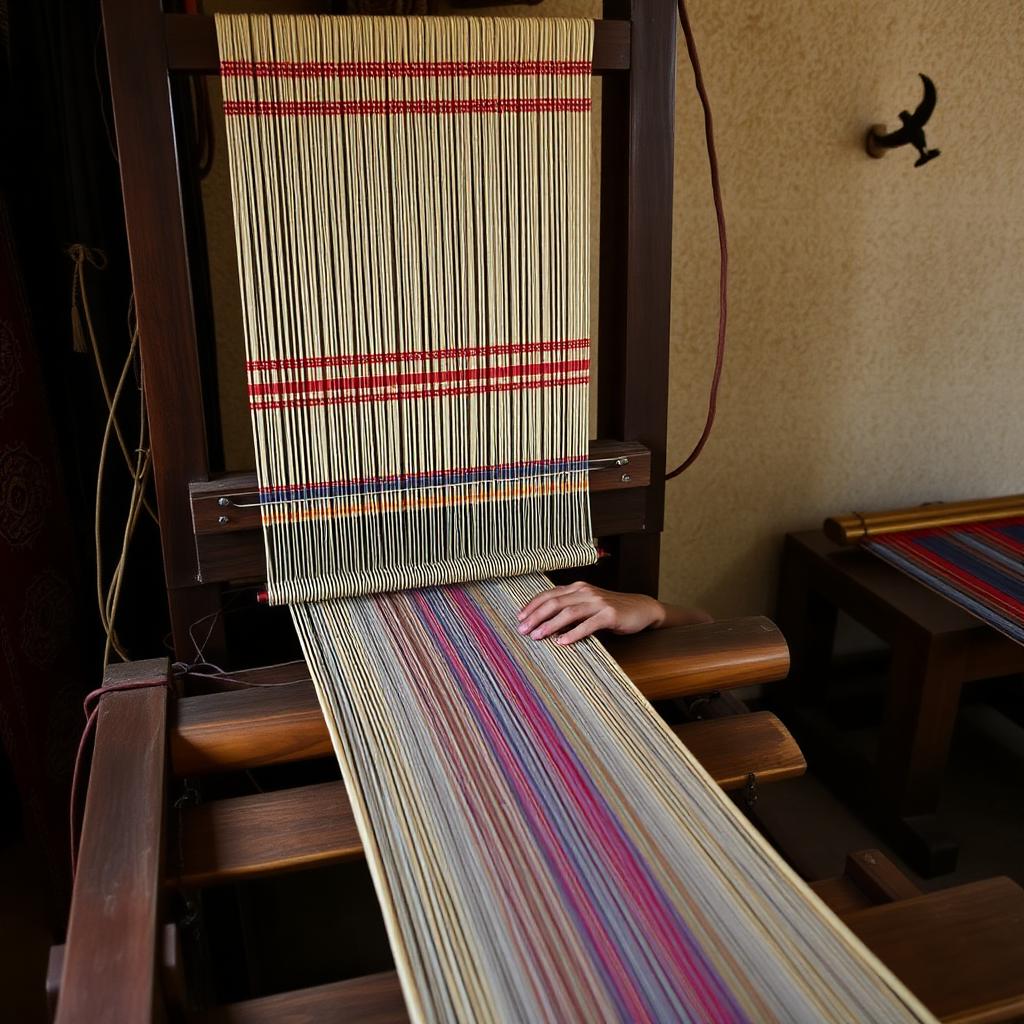
In a quiet courtyard in the Fergana Valley, 200 weavers still make atlas silk the way their great-grandfathers did — on wooden hand looms, using cocoons boiled that morning. UNESCO calls it a living masterpiece. Here's the 2026 buying guide.
Margilan is the silk capital of Central Asia and has been for 2,000 years. Marco Polo wrote about its silks. The Soviets industrialized them. After 1991, almost everything went machine-made — except for one factory that refused. Yodgorlik ('Memory') Silk Factory in central Margilan is the only large-scale workshop in Uzbekistan where atlas and adras ikat are still made entirely by hand, from cocoon to finished bolt. UNESCO inscribed atlas and adras craftsmanship on the Representative List of the Intangible Cultural Heritage of Humanity in 2017. Visiting Yodgorlik is the most underrated craft experience in the country. This is the 2026 guide.
What is atlas and adras?
Atlas (also khan-atlas) is 100% silk warp-and-weft fabric with the distinctive blurred 'ikat' pattern — created by tie-dyeing the warp threads BEFORE weaving, so the design emerges as the threads are tensioned on the loom. Adras is the same technique but with a silk warp and a cotton weft, producing a slightly heavier, less shiny fabric. Both have been Margilan specialties since at least the 10th century. The patterns are not embroidered, not printed, not stitched — they are dyed onto the threads themselves.
The Yodgorlik process — what you see on the tour
1. Cocoon boiling
Bombyx mori silkworm cocoons are boiled in copper vats to dissolve the sericin gum. A skilled worker unravels eight cocoons simultaneously by hand, twisting the single filaments into one usable thread. One cocoon yields about 800 m of silk. A wedding atlas dress needs ~3 kg of finished silk = 2,500 cocoons.
2. Pattern designing (chizmakash)
Master designers draw new atlas patterns on graph paper, with each square representing a single tie-dye block on the warp threads. The classic patterns — pomegranate, almond, ram's horn, scorpion, comb — are 500+ years old; new fashion patterns emerge each season.
3. Tie-dyeing the warp (abrbandlik)
Warp threads are stretched on long racks. Workers tie cotton string around exact sections to resist dye, dip the bundle, untie, retie different sections, dip again — repeated 5–10 times for multi-color designs. This is the magic step and the most time-intensive: one bolt of complex 7-color atlas takes a team 12–15 days just at this stage.
4. Natural dyes
Yodgorlik uses natural dyes for its premium lines: indigo (blue), pomegranate skin (yellow-gold), madder root (red), walnut shell (brown), oak gall (black). Chemical dyes are still used for cheaper export lines — ask which line you are buying.
5. Hand-loom weaving
Wooden floor looms (some 80+ years old). A weaver produces 2–4 meters of finished fabric per day. The blurred edges in the final pattern are the signature 'feather' of true ikat — they happen because the dyed threads don't align perfectly. Machine ikat has crisp edges; hand ikat has soft ones. This is the single fastest way to tell real from fake.
How to spot real handmade atlas vs machine fake
- Edges of pattern: feathered/blurred = handmade. Crisp/sharp = machine printed or jacquard.
- Back of the fabric: handmade ikat looks almost identical on both sides (because the threads themselves are dyed). Printed ikat has a faded back.
- Weight: pure silk atlas at 1 m width should weigh ~95 g/m. Lighter = blended or fake.
- Burn test (do this discreetly on a thread the seller gives you): real silk smells like burned hair and turns to ash. Polyester smells chemical and melts to a hard bead.
- Price floor in 2026: real handmade atlas is never under $25/m at Yodgorlik. If a Tashkent or bazaar seller offers 'atlas' at $8/m, it's printed cotton or polyester.
- Width: traditional hand-loom width is 35–40 cm. Wider 'atlas' is usually machine-made.
2026 prices at Yodgorlik
- Chemical-dyed atlas, simple 3-color pattern: $25–35 per meter.
- Natural-dyed atlas, 5–7 color pattern: $50–80 per meter.
- Master-class atlas, complex traditional pattern, natural dye: $100–180 per meter.
- Ready-made atlas dress: $120–350.
- Atlas scarf: $35–80.
- Adras (silk-cotton blend): 30–40% cheaper than equivalent atlas.
- Ikat coat (chapan) lined with cotton: $180–400.
Visiting Yodgorlik in 2026
- Address: Imom Zahriddin Street 138, Margilan, Fergana region.
- Open 9:00–18:00 daily, closed major Uzbek holidays.
- Factory tour: free (yes, free) — usually around 45 minutes, English/Russian guide available with 1 hour notice.
- On-site shop: better selection and prices than Margilan or Tashkent bazaars.
- International shipping: arranged by the shop, DHL/FedEx, 7–10 days to US/EU, around $80 per parcel up to 5 kg.
- Credit cards accepted (Visa/Mastercard) since 2024, but bring some USD or UZS cash for negotiation room.
How to get to Margilan
- Train: Afrosiyob Tashkent → Margilan direct, 4 hours 15 min, 240,000 UZS economy.
- Domestic flight: Tashkent → Fergana airport (45 min), then 30 min taxi to Margilan, 600,000 UZS total.
- Shared taxi from Tashkent: 5 hours through the Kamchik Pass, 150,000 UZS per seat.
- From Kokand: 1 hour by shared taxi, 30,000 UZS.
Where else to buy in the Fergana Valley
- Said Ahmad-Hoja Madrasa, Margilan — smaller family workshops, slightly cheaper, less English.
- Rasuljon Mirzaakhmedov workshop — Margilan's living national master, by appointment, museum-quality atlas $200+ per meter.
- Margilan Kumtepa Bazaar (Sunday only) — wholesale silk market, locals shop here, hard for tourists but lowest prices.
- Kokand bazaars: less specialized but stock Margilan atlas at small markups.
Caring for atlas at home
- Dry clean only for the first wash. After that, cold hand wash with mild silk shampoo, no wringing.
- Air dry flat in shade — direct sun fades natural dyes.
- Iron inside-out on low silk setting with a cotton cloth between iron and fabric.
- Store rolled (not folded) to avoid permanent crease lines.
- Natural-dyed atlas may bleed slightly on first wash — wash separately the first three times.
Honest verdict
Yodgorlik is one of the best craft visits in all of Central Asia, and the only place where you can watch a 1,000-year-old technique performed at industrial scale by people who actually live from it. The factory tour is free, the prices are fair, the shop is honest about what is hand-made vs export-grade, and they ship worldwide. If you bring back one souvenir from Uzbekistan, make it a meter of real Margilan atlas — and visit Yodgorlik to buy it directly from the loom that made it.