The Chust Pichok: Inside Uzbekistan's 800-Year-Old Knife-Making Village (2026 Guide)
· 8 min read · Culture
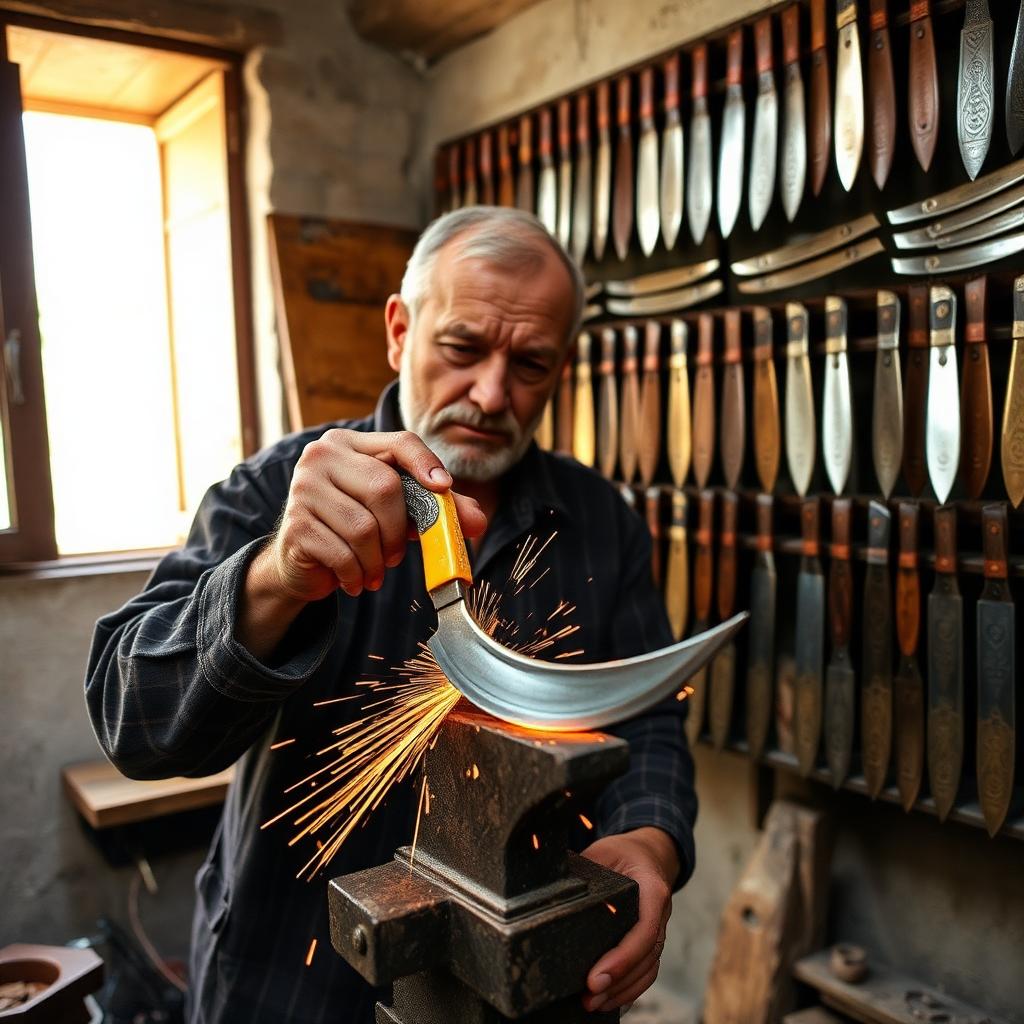
In one small Fergana Valley town, 400 families still forge knives the way their great-grandfathers did in the 12th century. The blades are so sharp they shave arm hair; the handles are so beautiful you don't want to use them. Here is how to visit and how to get one home legally.
Chust (Chust, Чуст) is a town of about 70,000 people in the Namangan region of the Fergana Valley. Its name has been synonymous with knives for at least 800 years — Chinese travellers in the 12th century already mention Chust blades in Silk Road caravan lists, and the Timurid-era chronicles call them 'the sharpest steel between Damascus and Kashgar'. In 2019 UNESCO added Chust knife-making to the Representative List of the Intangible Cultural Heritage of Humanity. In 2026 there are still around 400 active pichokchi (knife-master) families in the town, most working in small courtyard forges you can visit for the cost of a smile.
What is a pichok?
Pichok (pichoq, пичок) is the Uzbek word for the traditional single-edge knife with a slightly curved blade, a straight or downward-swept spine, and a colourful handle of horn, bone, brass and coloured plastic inlay. It is used for everything — slicing melon, butchering a sheep, opening a package, carving wood. Every Uzbek man traditionally owned one; today it is a serious kitchen tool for the older generation and a treasured gift/souvenir for everyone else.
The four traditional blade shapes
- Kordi kalta — short, wide blade with pronounced downward curve. The 'kitchen classic', best for chopping.
- Toghri pichok — straight-backed, long, elegant. The 'gentleman's knife', worn on the belt at weddings.
- Sherdahon (lion's mouth) — dramatic upswept tip like a scimitar. Ceremonial, expensive, harder to export.
- Bodomi (almond) — small almond-shaped blade, perfect for fruit. The one most tourists actually take home.
How they are made
The master starts with a bar of high-carbon steel — traditionally recycled truck-spring, prized for its clean grain. It is heated in a coal forge, hammered on the anvil, quenched in fermented mare's-milk brine (a Chust secret) to harden, then tempered a second time to add flex. The blade is ground on a stone wheel and finished by hand with fine grit. Handles are built up layer by layer: cow-horn base, brass separators, coloured plastic or bone inlay, then everything pinned through and shaped with a rasp. A single knife takes a master 6–10 hours. The signature under the handle bolster is a family stamp passed down for generations.
Which workshops to visit
- Usta Ergashev family forge (near Chust central bazaar) — 6th-generation masters, English-speaking grandson, live demonstrations 10:00–16:00 daily.
- Chust Pichok Cooperative — 30 masters under one roof, showroom + workshop tour, credit cards accepted (rare in Chust).
- Usta Zohidjon — specialises in damascus-pattern blades, museum-quality pieces from $150.
- The Chust Bazaar knife row (Wednesdays and Sundays) — 40+ stalls, best prices, less quality control.
Fair 2026 prices
- Bodomi fruit knife with horn handle: 120,000–200,000 UZS ($10–$16).
- Kitchen-quality Kordi kalta with basic handle: 250,000–450,000 UZS ($20–$36).
- Master-signed Toghri pichok with brass and bone handle: 700,000–1,500,000 UZS ($56–$120).
- Damascus-pattern collector's piece with silver work: 2,000,000–6,000,000 UZS ($160–$480).
- Certificate of authenticity from the master: usually free if you ask, essential for customs.
How to get to Chust
- From Namangan: shared taxi 20,000 UZS, 45 minutes.
- From Kokand: shared taxi 40,000 UZS, 1 hour 15 minutes.
- From Tashkent: fly to Namangan (Uzbekistan Airways, $55, 50 min), then taxi. Or Sharq train Tashkent–Namangan (5 h) then taxi.
- There is no direct international flight to Chust — Namangan airport is the nearest.
Taking a knife home — the important part
- Uzbek customs: allowed to export up to 3 knives per person as personal souvenirs. Anything more requires a Ministry of Culture certificate.
- Antique knives (older than 50 years) require an export permit from the Ministry of Culture (2–3 days, 200,000 UZS). Buy new to avoid hassle.
- Airport: knives MUST go in checked luggage — never in hand luggage. Tashkent airport screeners will confiscate a knife from a carry-on and there is no recovery.
- International side: most EU countries and the USA allow decorative kitchen knives with fixed blades under 15 cm in checked baggage. UK is stricter — check locally. Australia bans some curved blades entirely.
- Ask the seller to wrap the blade in oil paper and tape it into a wooden box — this is standard and protects both the knife and your other clothes.
Combine with these
- Chust doppi (skullcap) workshops — the town is equally famous for its black-and-white embroidered caps.
- Namangan Babur park and Khoja Amin mausoleum on the way in.
- Kokand palace as a Fergana Valley double bill (see our separate guide).
Verdict
A Chust pichok is the most useful, most beautiful, and most defensible-as-a-real-craft souvenir you can bring back from Uzbekistan. Skip the Samarkand bazaar copies, spend a morning in Chust itself, meet the master who made your knife, and take home an object that will still cut a melon perfectly in 2070.