Chor Bakr: Bukhara's Forgotten 'City of the Dead' Where Sufis Still Whisper (2026 Guide)
· 9 min read · History
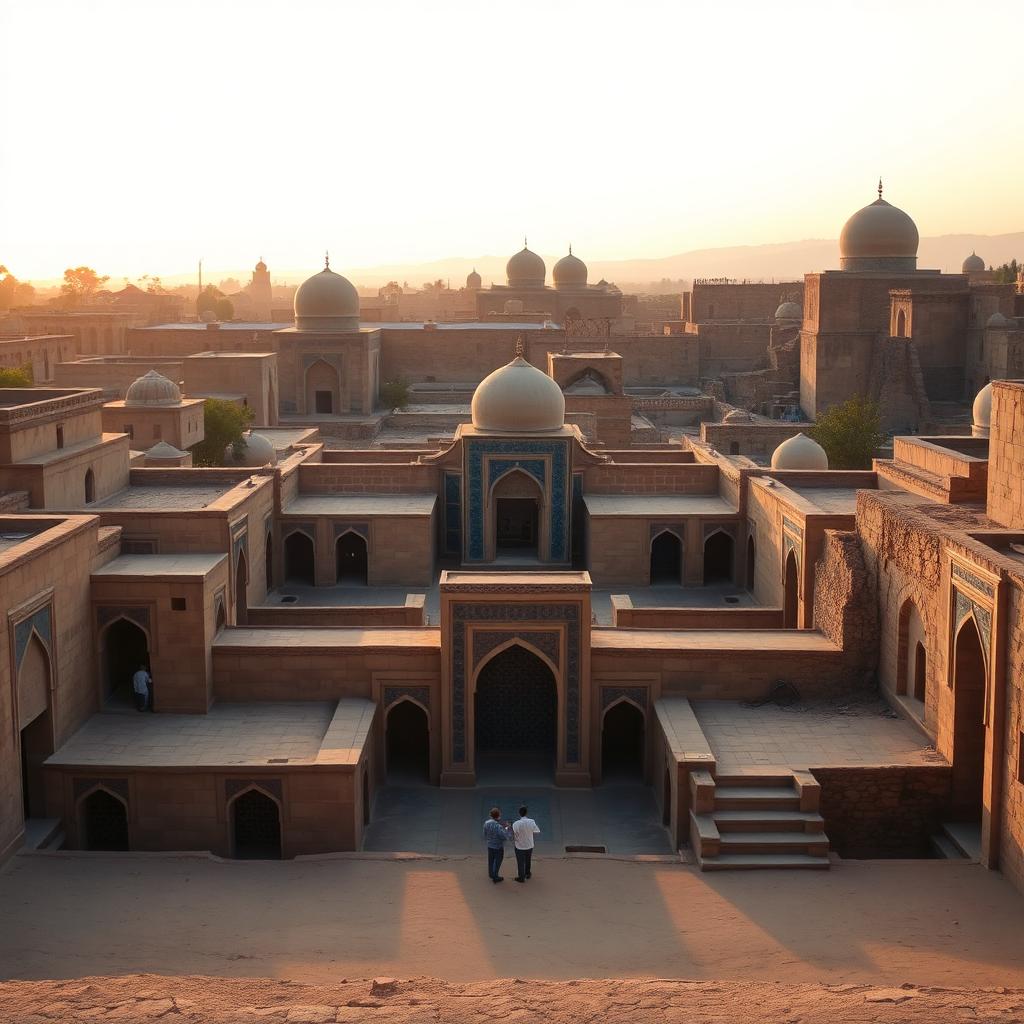
Five kilometres west of Bukhara, a walled 16th-century 'city of the dead' spreads across the desert — courtyards, khanakas, and tombs of four holy sheikhs. Almost no tour buses stop here. This is the 2026 guide.
Bukhara has ten famous sights and one secret one. The secret is Chor Bakr — a 16th-century Sufi necropolis on the western edge of the city where the Juybari sheikhs, the most powerful spiritual dynasty in the Bukhara emirate, were buried. Locals call it Shahr-i Khamushan, the 'City of the Silent'. In 1993 UNESCO added it to the Bukhara World Heritage listing. In 2026 it is still one of the emptiest, most atmospheric monuments in Uzbekistan.
The story in one paragraph
Chor Bakr means 'Four Brothers'. Around 970 CE, four descendants of the Prophet Muhammad — all named some variant of Bakr — settled in the village of Sumitan outside Bukhara and were buried here. Five centuries later, the Shaybanid ruler Abdullah Khan II expanded their tombs into a full necropolis (1560–1563) for the Juybari clan of Sufi sheikhs who by then effectively ran the Bukhara khanate. The result is a small ceremonial 'city' of khanakas (Sufi lodges), a mosque, a madrasa and dozens of family courtyards, all built to identical proportions in warm yellow brick.
What you actually see
- The central ensemble: khanaka, mosque and madrasa around a shared courtyard.
- The tombs of the four Bakr brothers, still visited by pilgrims.
- Dozens of Juybari family dahmas (raised tomb platforms) with carved marble screens.
- A restored 40-metre minaret you can climb (extra 15,000 UZS).
- A quiet garden of ancient mulberry trees where peacocks roam.
How to get there in 2026
- Yandex Go from Bukhara old town: 20,000–25,000 UZS, 15 min.
- Marshrutka #268 from Lyabi Hauz, 3,000 UZS, 25 min.
- Combine with Bahauddin Naqshband shrine (opposite direction) as a half-day Sufi tour.
- Entry: 25,000 UZS. Open 8:00–19:00 daily. Free on Muslim holidays.
Best time to visit
Late afternoon in spring or autumn. Golden hour paints the yellow brick pink and the shadows of the domes stretch across the courtyards. Thursday evening is the traditional zikr (Sufi remembrance) night — pilgrims chant softly inside the khanaka; tourists are welcome to sit quietly at the back.
Etiquette
- This is an active pilgrimage site — dress modestly (long sleeves, covered legs, headscarf for women inside the mosque).
- Do not photograph people praying without asking.
- Do not step on the raised tomb platforms.
- Speak quietly — the name of the site literally means 'silent city'.
Combine with these
- Bahauddin Naqshband shrine — 12 km east, founder of the Naqshbandi Sufi order.
- Sitorai Mokhi Khosa (Emir's summer palace) — on the way back into Bukhara.
- Chashma Ayub and Ismail Samani — inside the old town.
Honest verdict
If you have half a day left in Bukhara and you have already photographed Kalyan minaret from every angle, take a taxi to Chor Bakr. Twenty minutes and $2 gets you a UNESCO site with almost no tourists, an operating Sufi shrine, and the strange feeling of walking through a miniature city built for the dead.