Boysun: The UNESCO-Listed Mountain Culture Even Most Uzbeks Have Never Seen (2026 Guide)
· 10 min read · Culture
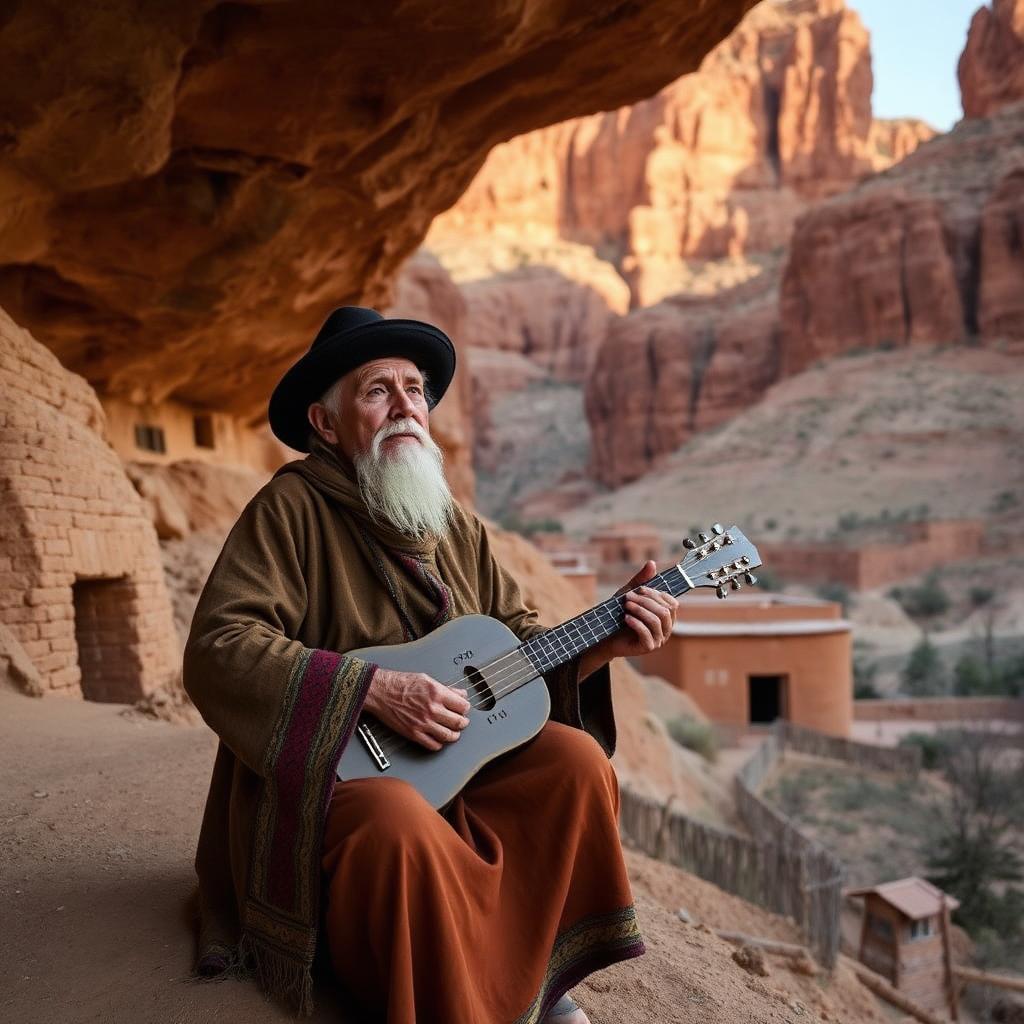
In a red rock valley near the Afghan border, an entire folk culture — music, epic poetry, weddings, shamanism — was proclaimed a UNESCO Masterpiece in 2001. Almost no foreigners go. Here is how to see Boysun properly in 2026.
In 2001, UNESCO named Boysun Bahori — the cultural space of the Boysun district — one of the first-ever 'Masterpieces of the Oral and Intangible Heritage of Humanity'. The 90,000 people who live in this remote southern valley preserve a way of life that Central Asia lost everywhere else: pre-Islamic shamanic rituals blended with Sufi Islam, epic bards singing 12-hour-long poems by memory, weddings with two-day dancing cycles, and women weaving carpets on patterns dated to 500 BCE. Almost no foreign tourist makes it here. This is the 2026 guide to changing that.
Where and what is Boysun?
Boysun is a district in Surxondaryo region, southern Uzbekistan — 80 km from the Afghan border, 200 km east of Termez. Geographically it is a valley of red sandstone canyons and orchard-filled foothills at 1,300 metres, wedged between the Hissar and Kugitang mountain ranges. Culturally it is an island: for two thousand years the local Uzbek and Tajik villagers were too remote to fully Islamise, too poor to Sovietise, and too small to modernise. What survived is a living archive.
The Boysun Bahori spring festival
The single best reason to visit. Held annually in late April or early May (dates announced 6 weeks ahead by the Uzbekistan Ministry of Culture), the festival gathers folk musicians, bakhshi (epic bards), wrestlers and dancers from all over Central Asia into a two-day amphitheatre event on the meadow above Boysun town. Entry is free. Bring a sleeping bag — the festival village is homestays and tents.
What to do the other 363 days
- Teshiktash cave — a Neanderthal burial site excavated in 1938 where the skeleton of an 8-year-old boy was found. 40 min drive from Boysun town, then a 90 min hike.
- Omonhona canyon — red walls, a 40-metre waterfall in spring, easy 3-hour loop.
- Sangardak waterfall — 30 metres, 90 min drive north.
- Boysun bazaar on Sunday — hand-woven carpets, embroidered susani, and the district's famous wild-honey.
- Visit a bakhshi at home — the Boysun tourism office arranges 90-min performances for 300,000 UZS.
How to get there in 2026
- From Tashkent: night train to Termez, then 3-hour shared taxi north (~120,000 UZS).
- From Samarkand: 6-hour drive via Karshi and Guzar.
- From Termez: 3 hours, shared taxis leave when full from the north bus stand.
- Domestic flight: Tashkent–Termez (1h20, ~$70), then taxi.
- No car rental agencies in Boysun — arrange with a Tashkent driver.
Where to sleep
- Boysun Homestay Network — 10 registered families in town, ~250,000 UZS/night with dinner and breakfast.
- Hotel Boysun — the only formal hotel, 350,000 UZS/night, decent but characterless.
- During the festival: tent city on the meadow, or homestays booked months in advance.
Etiquette
Boysun is conservative, rural and largely Sunni Muslim. Women should cover shoulders and knees in villages; men should not wear shorts. Alcohol is legal but not offered in homestays — bring your own if you must, and drink discreetly. Photographs of women require explicit permission — always.
Honest verdict
Boysun is the polar opposite of a Registan photo-op. You come for slow days, mountain air, and an evening in a mud-brick guest room listening to a 78-year-old man sing an epic in a language you do not understand — and understanding it anyway. If you have five days in Uzbekistan and want to feel time move sideways, spend two of them here.