Boysun Bahori: Inside Uzbekistan's UNESCO-Listed Spring Festival Almost Nobody Visits (2026 Guide)
· 10 min read · Festivals
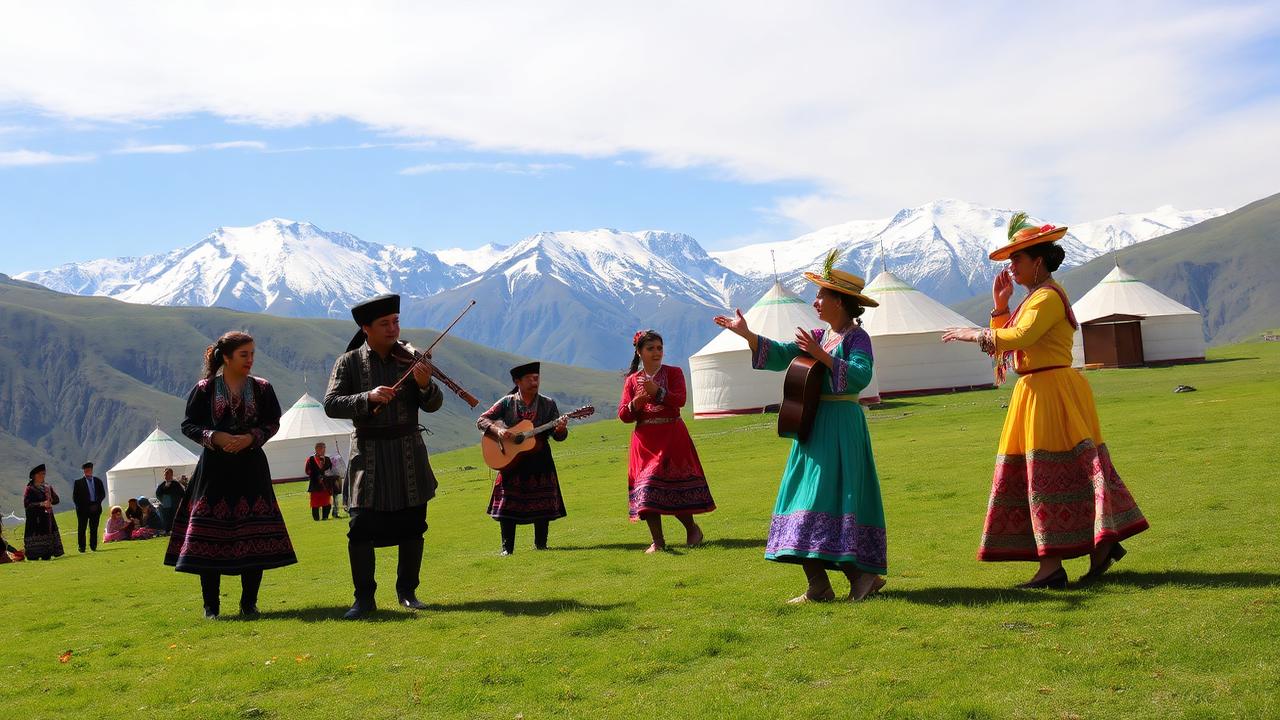
In a mountain meadow above a small town in southern Uzbekistan, a three-day festival of music, tightrope walking and horseback combat takes place every spring — and UNESCO calls it one of humanity's most important living traditions. Here is the 2026 guide.
Boysun (sometimes spelled Baysun) is a small district in the Surxondaryo region near the Tajik border, in the foothills of the Hissar mountains. UNESCO inscribed its cultural complex on the Representative List of the Intangible Cultural Heritage of Humanity in 2008, citing a still-living tradition of pre-Islamic shamanic rituals, oral poetry, and unique musical forms found almost nowhere else. Once a year — usually in May — the Boysun Bahori (Boysun Spring) festival pulls the whole tradition into one mountain meadow for three days. In 2026 it's expected May 8–10. Here is how to be there.
Why Boysun matters
Geographically isolated by mountains for centuries, Boysun preserved practices that vanished elsewhere in Central Asia under successive waves of Islamization and Soviet modernization: shamanic healing ceremonies (parikhonlik), wedding songs in archaic Uzbek and Tajik dialects, instruments like the qo'biz (horsehair fiddle) and dombira, and a unique vocal style called dolzona — long, ornamented melodies sung in the high meadows for centuries.
What you actually see at Boysun Bahori
Dolzona singing competitions
Old male singers from surrounding villages compete in long-form a cappella performances. Judges sit on carpets in the front row; spectators sit on grass behind. Each song can run 20 minutes.
Dorboz — Uzbek tightrope walking
Boysun's dorboz tradition is the most famous in the country. Acrobats walk a thick rope strung 12–15 meters in the air between two wooden poles, perform handstands, juggle while walking, and one performer always finishes with the rope blindfolded. No nets. The crowd holds its breath.
Kupkari (buzkashi) tournament
Two hundred riders from Surxondaryo and across the Tajik border compete for the festival's biggest prize — historically a horse, in recent years a car.
Crafts and food bazaars
Local Boysun crafts (the famous Boysun chapan robes, hand-felted carpets, walnut wood carving) and food stalls selling Surxondaryo-style plov (cooked with chickpeas and quince), tandyr samsa, and Boysun's distinctive mountain honey.
Evening yurt concerts
After dark the official program ends and the real festival begins — small groups in yurts and around fires, passing tea and playing dombira until 2 a.m.
How to get to Boysun in 2026
- From Tashkent: fly to Termez (1h15, around 700,000 UZS), then taxi to Boysun (2.5 hours, 350,000 UZS).
- From Samarkand: shared taxi via Qarshi to Boysun (6 hours, 200,000 UZS per seat).
- From Shakhrisabz: private taxi south via Guzar (4 hours, around $50).
- By train: the new Tashkent–Termez night train stops at Boysun station (12 hours, 400,000 UZS in kupe).
- Festival shuttle from Termez during the three festival days — 80,000 UZS round trip, runs from Termez bus station 7 a.m. and 9 a.m.
Where to sleep during the festival
Boysun town has limited hotel capacity — book months ahead for festival weekend. Options: Hotel Boysun (basic, around 350,000 UZS/night, fills first), Surxon Star Boysun guesthouse (550,000 UZS, breakfast included), homestays arranged through the festival organizing committee (200,000–280,000 UZS, basic but authentic), and tent/yurt camping at the festival ground itself (free if you bring your own, or 150,000 UZS to rent a sleeping spot in a shared yurt).
Tickets and schedule
- Festival entry: free for all three days.
- Reserved seating in the main amphitheater: 100,000 UZS per day.
- Kupkari grandstand on day three: 50,000 UZS.
- Official 2026 dates (expected): May 8–10. Confirm via the Surxondaryo regional tourism office in April.
- Opening ceremony: Friday 11:00 in the mountain meadow above the town.
- Closing kupkari: Sunday afternoon.
What to wear and pack
- Layers — May in the mountains swings from 8°C at dawn to 26°C at noon.
- Sturdy shoes — the festival ground is uneven meadow.
- Modest clothing for women (covered shoulders and knees) — this is a deeply traditional region.
- Cash — there is one ATM in Boysun town and it runs out by Friday afternoon during the festival.
- Sunscreen and a wide hat — the meadow is exposed.
- Power bank and small gifts (chocolate, pens) if you accept invitations to family homes.
Beyond the festival — Boysun district year-round
Even outside festival weekend, Boysun rewards travelers. The Teshik-Tash cave (a Neanderthal burial site discovered in 1938) is a 45-minute drive away. The Omonkhana waterfall and the surrounding apricot orchards are spectacular in April. Local guesthouses arrange day hikes into the Hissar foothills with experienced dorboz family hosts for $25–35 per person including lunch.
Honest verdict
Boysun Bahori is the most authentic festival in Uzbekistan and almost no Western tourist makes the trip. The logistics are harder than Navruz in Tashkent, the accommodation is rougher than Samarkand, and the schedule changes at short notice. But you witness UNESCO-listed traditions performed for locals, not for tour buses — and you leave knowing you saw something that may not survive another generation in this form. Go.